Modern peaceful natural havens are increasingly becoming appealing destinations for relaxation and exploration. Over recent decades, the concept of responsible tourism, aimed at protecting ecosystems and biodiversity, has gained widespread recognition. Rather than choosing popular tourist routes with their crowds and environmental downsides, travellers are increasingly opting for alternatives where every step is guided by respect for nature.
Environmentally sustainable hikes, excursions and stays in biodiverse regions are becoming more than a fashionable trend—they are an essential condition for preserving the planet’s natural resources. They offer travellers the opportunity not only to enjoy the beauty of the natural world but also to take part in protecting it. These forms of tourism help preserve unique ecosystems while supporting local communities, traditional ways of life and livelihoods.
The principles of ecotourism involve not only minimising negative environmental impacts but also actively participating in local environmental and socioeconomic projects. They inspire the creation of sustainable tourism models in which every traveller becomes an agent of positive change. In this article, we will explore different aspects of ecotourism, its benefits for travellers and nature, as well as the sensitive considerations involved in engaging with local cultures and ecosystems.
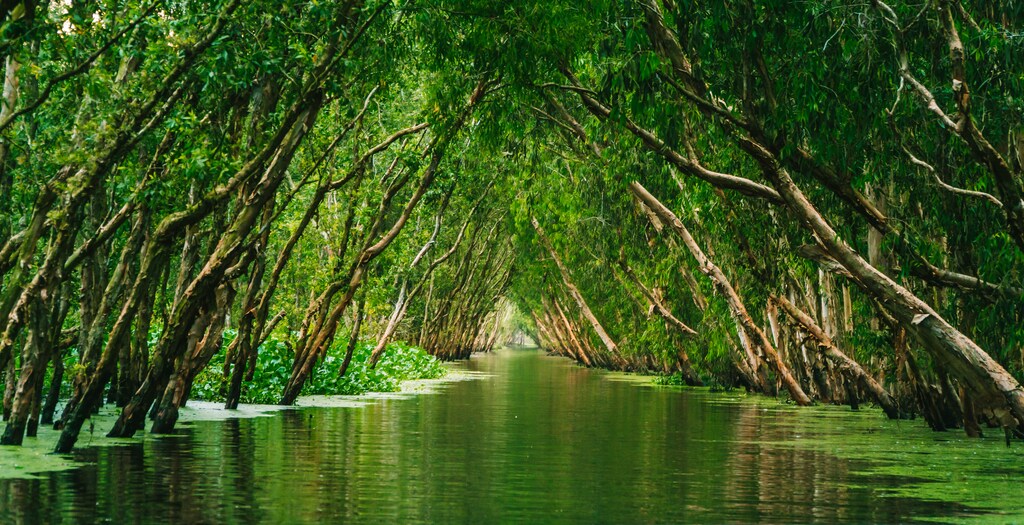
Principles of Responsible Travel
The key principles to keep in mind when travelling, in order to reduce negative impacts on the environment and local residents, include making thoughtful choices about routes and activities, respecting the region’s cultural and natural values, minimising waste, and contributing to the protection of local ecosystems.
Responsible Behaviour
- Respect local people and cultural traditions, avoiding actions that may cause offence or conflict.
- Learn the rules of conduct in different regions: in some places, even a minor violation can have a negative impact on nature.
Protecting Nature and Resources
- Choose tour operators and services that follow the principles of sustainability and environmental responsibility.
- Avoid plastic products, minimise waste, and make sure you leave no trace in nature.
- Support local environmental initiatives and take part in eco-focused activities.
Following these principles helps preserve the beauty of natural landscapes while supporting the unique cultural traditions of local communities, creating the conditions for sustainable tourism and long-term harmony between people and nature.
Popular articles
Saddle Up! Russia’s Best Horseback Riding Tours Tourist Season 2020: When Does It Open and What Are the Prospects?The Environmental Impact of Ecotourism
The development and promotion of environmentally sustainable forms of travel encourage a new perspective on the impact of human activity on natural ecosystems. By prioritising biodiversity and the conservation of natural resources, ecotourism aims to minimise negative environmental effects.
- Protecting biodiversity and natural landscapes is a core goal of ecotourism.
- Sustainable use of natural resources and waste reduction help conserve ecosystems.
- Education and information initiatives raise environmental awareness among travellers and local communities.
- Careful planning of ecotourism routes and facilities is essential to protect vulnerable ecosystems.
In this way, ecotourism encourages sustainable practices that help protect natural wealth and reduce the negative impact of human activity on the environment.
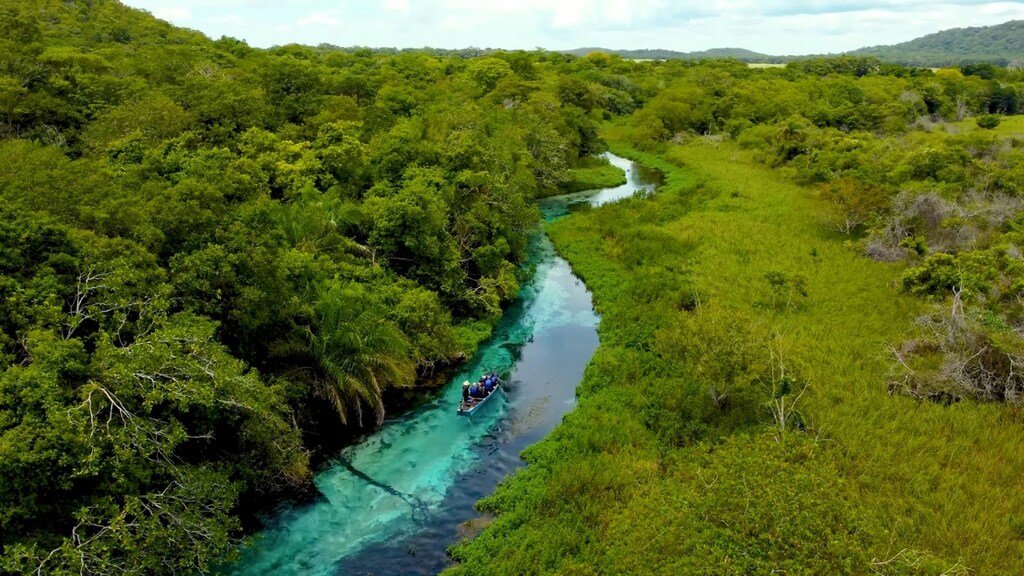
Top Destinations for Eco-Conscious Travel
The first destination we will consider stands out for its well-preserved natural environment and offers unique opportunities for environmentally responsible travel.
The next destination is a region known for its efforts to protect ecosystems and maintain biodiversity, making it ideal for nature lovers and those who value a healthy lifestyle.
It is also worth mentioning a destination where special attention is given to minimising human impact on the natural environment, helping preserve its distinctive beauty and ecological value.
Finally, one of the most appealing places for those who want to learn how to engage mindfully with the environment offers unique opportunities to connect with nature without disrupting its balance and harmony.