A trip to Sakhalin could easily be the highlight of your summer: the island is that beautiful and captivating. But most visitors travel to this far-flung destination for its culinary pleasures! The freshest seafood, caught straight from the sea, and a bold blend of Korean and Japanese cuisines make Sakhalin well worth visiting for the food alone. What can Sakhalin offer gourmets, and what else is there to discover on the island beyond its feast of flavours? Read on!
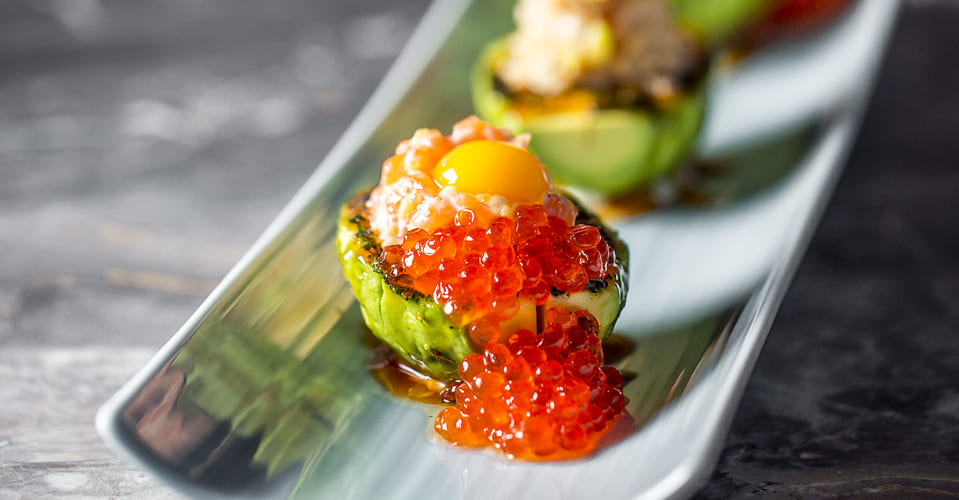
Sakhalin: an island full of discoveries
Sakhalin is an unusual island: the Sea of Japan lies on one side, the Sea of Okhotsk on the other, and the narrow Strait of Tartary separates it from the mainland. The island is almost 1,000 kilometres long and between 26 and 160 km wide. It is a land of rolling hills, lakes and lagoons.
Did you know? Sakhalin is rich in natural resources and home to many endemic species of flora and fauna.
The island was inhabited as early as 300,000 years ago, during the Early Palaeolithic period. The main occupations of the ancient Nivkh and Ainu peoples were fishing and hunting large marine animals. Fishing and the fishing industry remain key parts of the local economy today.
Although Sakhalin has known difficult chapters in its history—it became a place of exile and penal labour in the 18th century, followed by the Soviet-era camp system—the island is now an exceptionally appealing travel destination.

Sakhalin gastronomy: what to try first
Sakhalin is always delicious! Anyone who has ever been indifferent to seafood may change their mind after visiting the Russian Far East. There are also unusual herbs, exotic dishes and unfamiliar seasonings. To get the fullest picture, explore the cuisines of the peoples who call Sakhalin home one by one.
Korean cuisine
It is hard to say who first shaped many of Sakhalin’s modern Korean dishes—early settlers from Korea, ancient Sakhalin peoples, or someone else entirely. What matters is that Korean cuisine has become so deeply rooted on Sakhalin that it is impossible to imagine lunch or dinner without its tangy flavours and aromatic spices.
Korean cuisine makes generous use of everything that grows, walks, runs and swims, paired with plenty of spices and clever marinades:
- fragrant herbs and plants, including wild garlic, fern, garlic, seaweed, burdock and many other ingredients surprising to a European palate;
- special varieties of rice and rice-flour products—an average Korean eats more than 65 kg of rice a year;
- vegetables such as cabbage, carrots, garlic, mushrooms, onions and peppers, often all combined in one dish.
And, of course, fish and meat: Korean cuisine is known for its soups, hearty stews and braised dishes. On Sakhalin, the dishes are slightly adapted and less spicy, while retaining their exotic character.
Good to know: if a dish has a reddish colour, it is very likely Korean cuisine—red hot chilli peppers are a favourite ingredient.
Popular articles
Saddle Up! Russia’s Best Horseback Riding Tours Vottovaara: Karelia’s Place of Power
Japanese cuisine
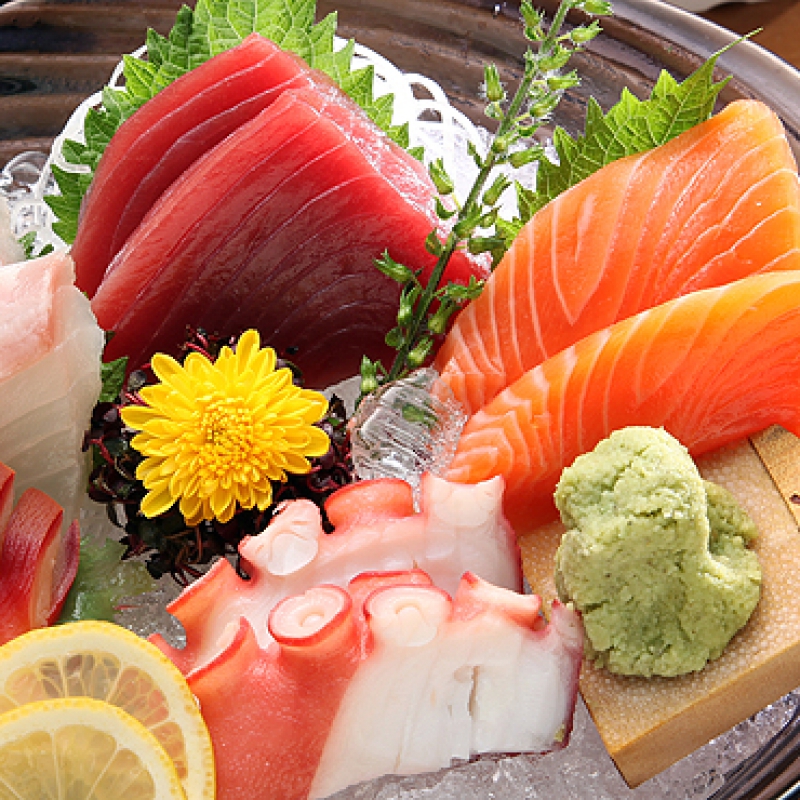
Japanese cuisine is represented by familiar sushi, sashimi, rolls, battered seafood and rich seaweed soups, but with an exceptional freshness. After dinner at a Japanese restaurant, visitors remember what truly fresh chilled fish looks like and how sushi and sashimi are meant to taste. Japanese cuisine is also about beautiful presentation, expert knife work and a deeply considered philosophy behind every detail. A sushi set at a Sakhalin Japanese restaurant is a true work of art—like a miniature painting filled with meaning.
Sakhalin cuisine
Typical Sakhalin cuisine naturally differs from traditional Russian cuisine because of the island’s remoteness and historically limited cultural exchange with the mainland. As it did centuries ago, it relies on seafood with minimal heat treatment. In almost any café or restaurant, you can find an unusual mix of Japanese and Korean influences built on a Russian foundation: meat with kimchi and chuka seaweed salad, fish dumplings with soy sauce, and rice-flour desserts with northern berries.
Must-try Sakhalin specialities include:
- a Sakhalin-style open sandwich—a small, thin slice of bread that can barely hold its generous serving of red caviar;
- seafood delicacies: crab, shrimp, oysters, sea urchins, sea cucumbers, scallops, whelks, octopus, trepang and squid;
- fish—nutritious halibut, cod, and every kind of salmon prepared in countless ways, from lightly salted to dried, from fish soup to sushi;
- smelt—a fish with the scent of fresh cucumber, caught only in spring and easily cooked right by an ice hole on lakes and bays with a little flour and salt, fried until crisp;
- seaweed—marinated in any style you like.
The main rule to remember is that the quicker and simpler the seafood is prepared, the tastier it is. Often, soy sauce and a good appetite are all you need.
Some delicacies can be taken home: market vendors can pack them properly in insulated containers. A jar of caviar, a souvenir seafood tasting set or red fish makes an excellent gift from this distant destination.
Sakhalin sights
Food alone is not enough when you are looking for spectacular scenery—and Sakhalin has plenty to see. The island’s best-known sights include:
- Aniva Lighthouse—a Japanese lighthouse from the first third of the 20th century, standing on Sivuchya Rock at Sakhalin’s southern tip, where the Sea of Okhotsk meets the Pacific Ocean; on a clear day, it offers magnificent views;
- Devil’s Bridge and Witch’s Bridge—more architectural heritage from the Japanese period, impressive for their steep cliffs and humanity’s ambition to conquer the wild landscape;
- Cape Giant—scenic bays, wind-carved cliffs, grottoes, caves, and waters teeming with shellfish, sea urchins and mussels;
- Busse Lake—or, more precisely, a lagoon. What matters to visitors is that it is an ideal place to catch delicious seafood yourself and cook it Sakhalin-style;
- Tikhaya Bay—when icy winds cut to the bone, this quiet, cosy bay offers shelter from the weather behind the spurs of the Zhdanko Ridge;
- Frog Mountain—a rock formation that closely resembles a frog. It is a sacred place for local peoples and for those attuned to the energy of the universe, where people traditionally make their most cherished wishes.
Do not miss the seafood market near the port in Yuzhno-Sakhalinsk, where Japan, Korea and Russia come together in a genuine celebration of friendship through food.
It is time to bring the Russian Far East closer: visit Sakhalin and fall in love with the sweet-salty taste of seafood, the invigorating Sea of Okhotsk and the constant winds that bring a feeling of freedom and lightness.
