How Life in a Resort Town Changes Between High and Low Season
In summer, a seaside town can feel like one enormous celebration. The promenade is crowded, café tables are almost impossible to find, and music drifts from the windows in the evening. A few months later, the picture changes. The shore empties, some businesses close, and the familiar routes finally become quiet.
For visitors, this contrast usually means changes in prices and weather. For those who live by the sea year-round, it is simply a familiar rhythm. Income, pressure on transport, restaurant operations and even the general mood all depend on the flow of visitors.
When the Big Rush Begins
With the arrival of warm weather, everything speeds up. Summer terraces open, tour agencies start operating, and sun loungers and rental stands appear on the beaches. Where you could stroll at leisure in January, in July you have to weave between suitcases, scooters and groups of holidaymakers.
For business owners, this is the most important time of year. Hotels try to fill every available room, restaurants receive more orders, and shops expand their selection. Demand rises for almost everything, from drinks to car rentals.
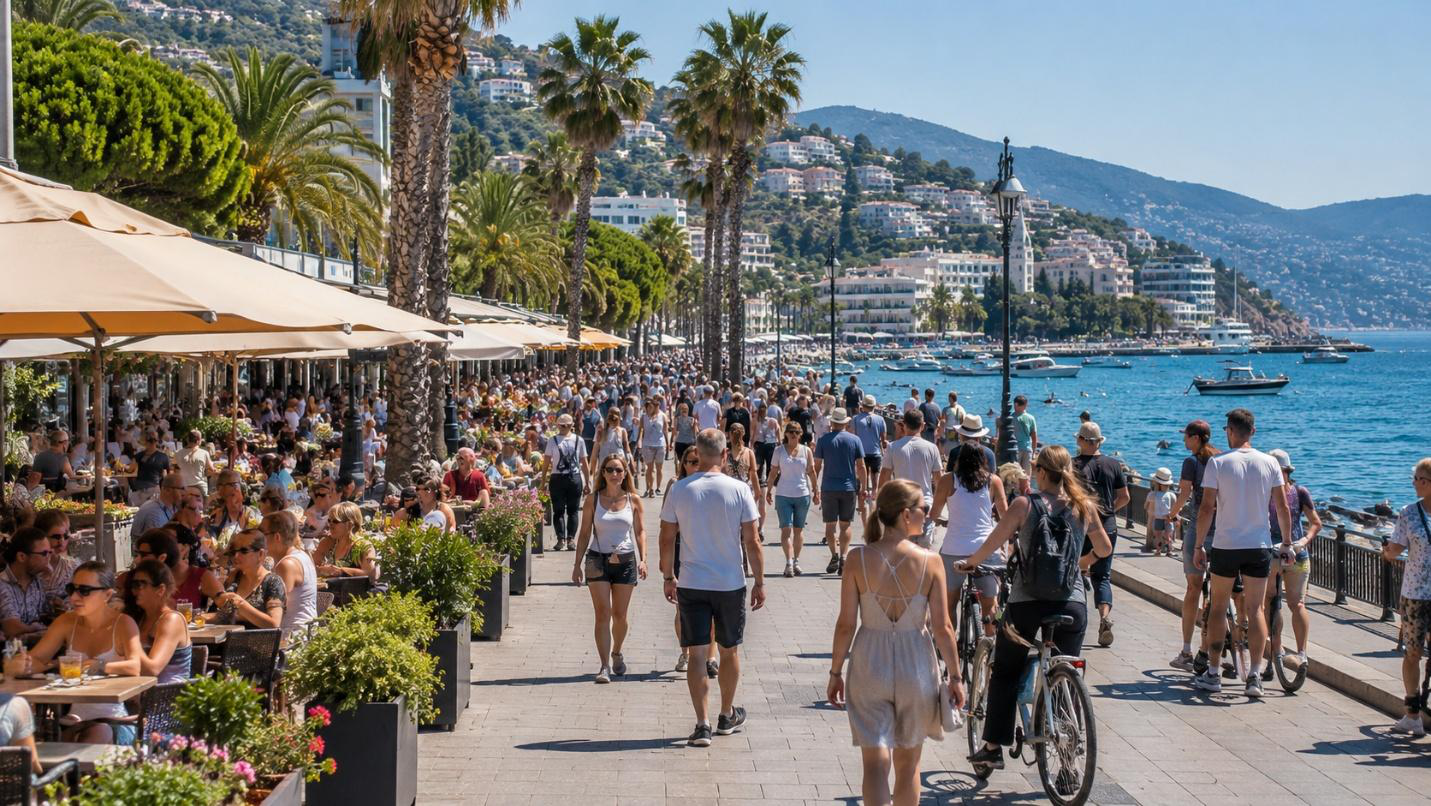
There are more jobs, too. Students find work as waiters, drivers take on sightseeing routes, and apartment owners switch to short-term rentals. For some families, these months provide a substantial share of their annual income.
But higher revenue also brings bustle.
When It Gets Too Crowded
Popularity has a downside. Roads fill with cars, buses become overcrowded, and queues form at attractions. Small towns find it especially difficult, as their infrastructure was originally designed for a much lighter load.
Some residents welcome the chance to earn well, while others are already dreaming of September by July.
Even everyday life changes. There is more rubbish, noise and traffic. Grocery shopping takes longer because a tour group suddenly appears outside the shop. In the evening, you may want peace and quiet, while someone next door has decided to keep the party going.
After Summer, Everything Slows Down
Once the main wave of visitors heads home, the change is almost immediate. You can choose a free spot on the beach, get a table at a restaurant without waiting, and enjoy walking along the promenade without the crowds.
Seasonal businesses gradually close. Until the following spring, excursion kiosks, rental stands, summer bars and small shops may remain shut. Their owners know that keeping staff and premises open during the cold season is not profitable.
For year-round residents, a different reality begins. They can meet friends without fuss, get to work quickly, and visit their favourite coffee shop without queuing. What recently felt frustratingly inaccessible becomes part of everyday life again.
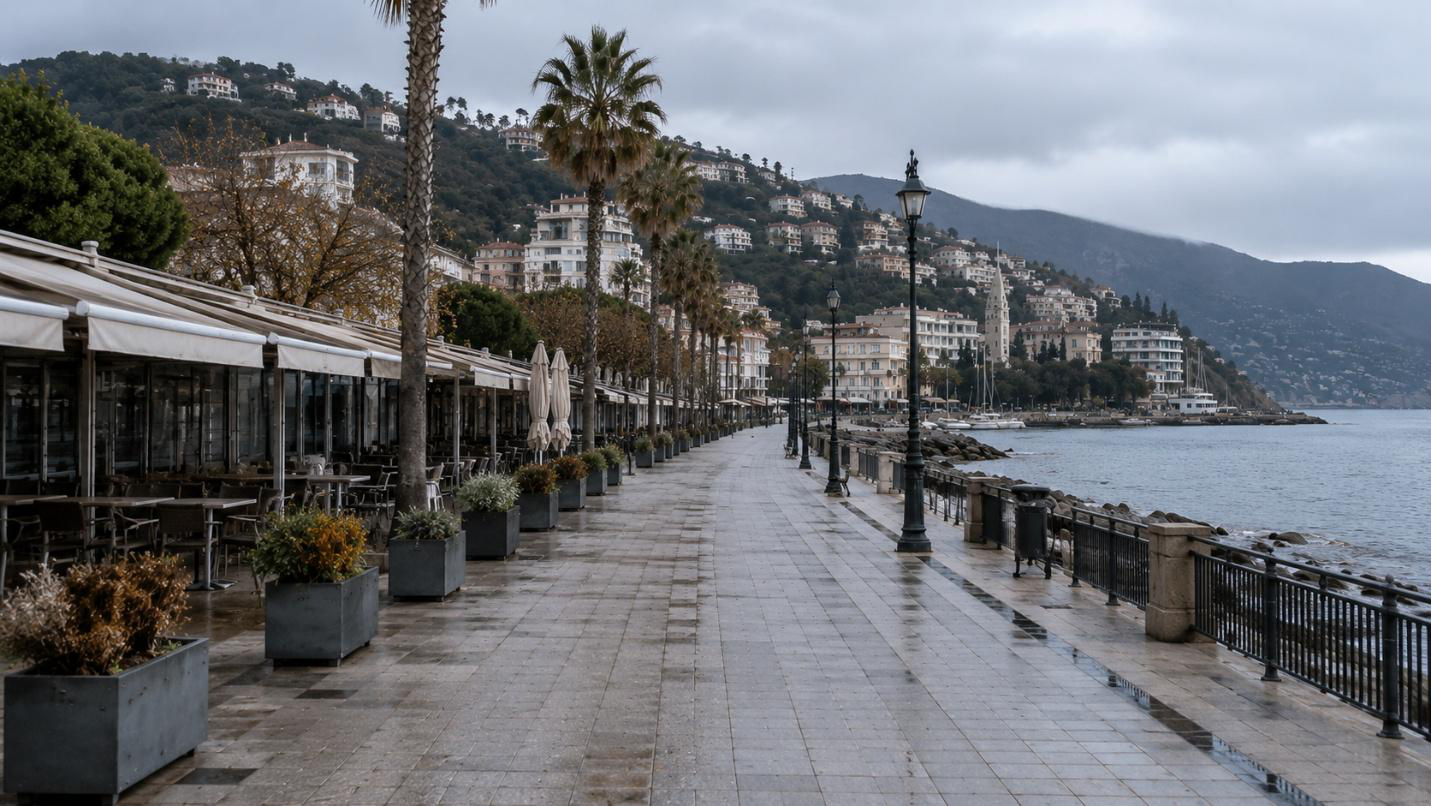
Life Continues Through Winter
Not every seaside resort turns into a ghost town after the holiday season. If there is a port, university, major company or large neighbouring town nearby, things never become completely quiet.
Schools, shops, services and restaurants remain open. There are simply far fewer tourists around.
Some destinations try to attract visitors during the colder months as well. Instead of beach activities, they offer health resorts, food-focused programmes, festivals and excursions.
Why Prices Fluctuate
Rental prices respond most strongly to demand. At the height of the holiday season, an apartment owner may raise prices several times over because there are far more people looking for accommodation. By autumn, the same property can be found for less.
The same applies to car rentals, excursions and entertainment. In July, everything needs to be booked in advance, while in October you can choose from available options.
That is why the shoulder season can sometimes be an excellent compromise. The weather is less predictable, but prices are more appealing, queues are rare, and a walk does not turn into a battle for a spare metre of pavement.
Which Time Should You Choose?
High summer will appeal to those who enjoy lively surroundings. Nearly every venue is open, concerts and festivals take place, and there is always something happening in the streets.
If you prefer peace and quiet, consider spring or autumn. The huge crowds are gone, but many interesting places are still open. You can see not just the postcard version for tourists, but everyday local life.
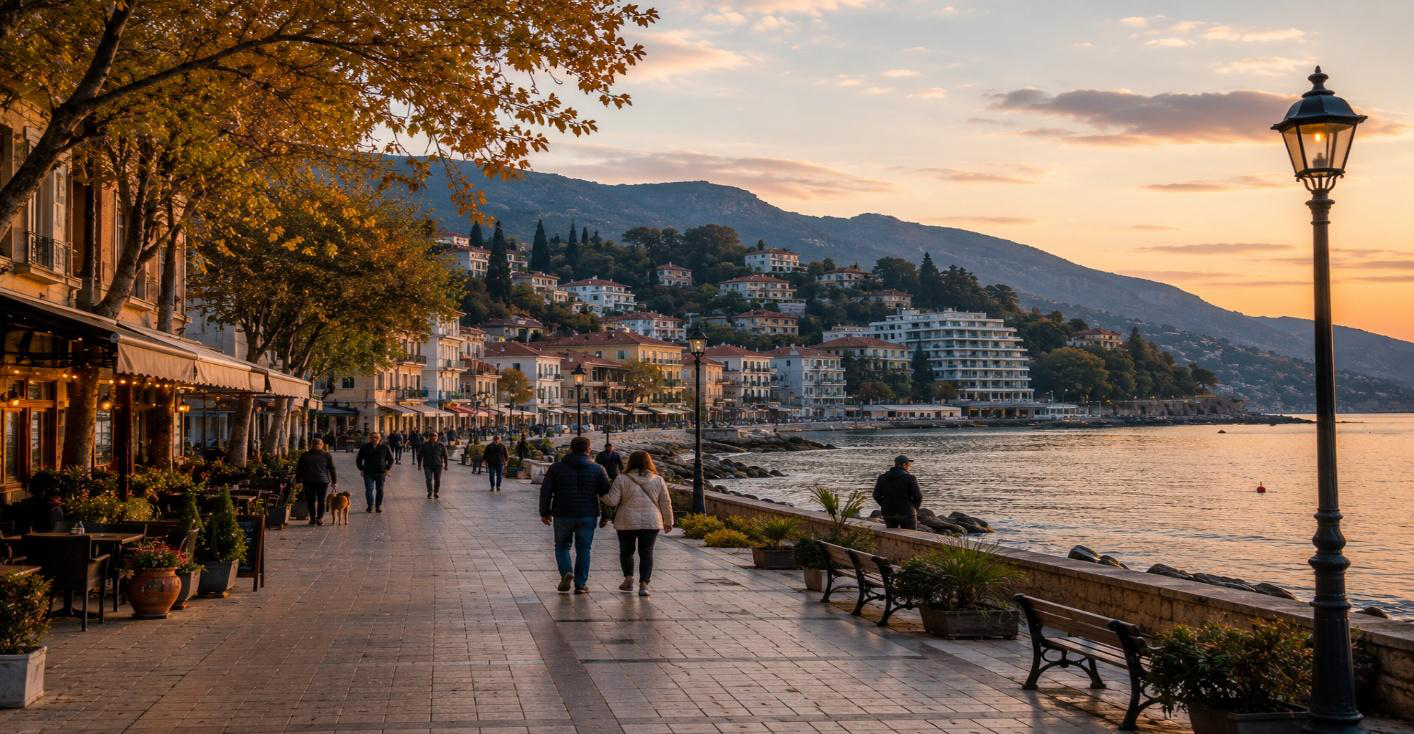
That is why the same resort can be fascinating to visit at different times of year. In July, it may feel like an endless party; a couple of months later, it can become a peaceful seaside retreat. As the number of visitors changes, so does the entire rhythm of life around it.