River cruises are a wonderful alternative to ocean voyages—and in some ways, even better than an expensive sea journey. At the very least, an encounter with an iceberg on the Volga is out of the question, while the ever-changing landscapes and pastoral scenes along the banks of this great river will stay with you for a lifetime. It is relaxation and a connection with nature, a constant change of places, and the anticipation of what lies ahead.
Volga cruises come in many forms: short or long, aboard luxurious yachts, large multi-deck river ships or smaller boats, with a focus on pilgrimage, entertainment or sightseeing. Either way, it is sure to be an unforgettable experience.
Volga Cruises: What to See Along the Way
A river journey means leisurely travel on the water, with plenty of stops in fascinating places, walks, and encounters with new and beautiful sights. Interestingly, some of the first river travellers were the Chernetsov brothers in the 19th century. The artists set off on a cruise to sketch the banks of the Volga—one painted the left bank, the other the right—resulting in the panoramic work «The Parallel of the Banks of the Volga».
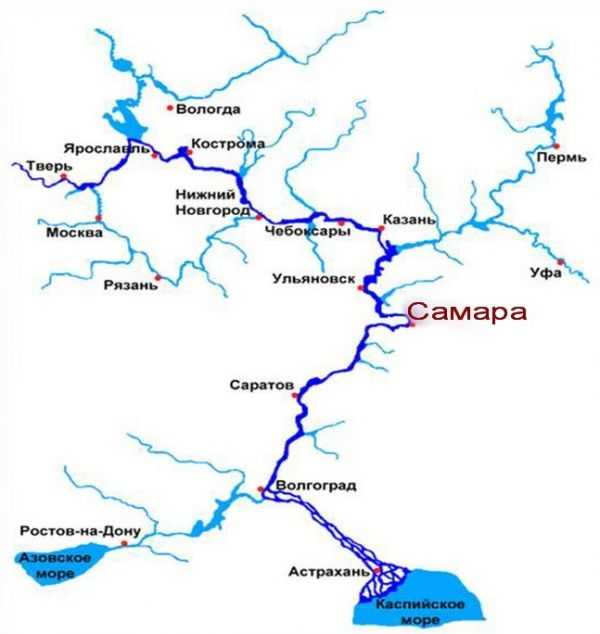
The Volga is traditionally divided into three sections: the Upper, Middle and Lower Volga. Each has its own attractions and travel highlights.
The Upper Volga
The Upper Volga includes Tver (river ships cannot travel farther upstream because the water is too shallow), Dubna, Rybinsk, Uglich, Myshkin, Plyos, Yaroslavl and other destinations as far as Nizhny Novgorod. These historic Russian merchant towns are known for their traditional crafts, white-stone architecture, and numerous monasteries, cathedrals and churches. Myshkin, for example, is a delightful little town built around a mouse-themed fairytale. Small and authentic, it has done much to welcome visitors, yet it still charms and delights every traveller. No one leaves without mouse-themed souvenirs and felt boots!

Dubna, by contrast, feels like a city of the future: clean, with broad avenues and impeccably designed parks and gardens. Travellers can visit the largest reservoirs in central Russia, admire landscapes reminiscent of Levitan’s paintings, and explore some of the country’s oldest towns. Even those who have travelled the Golden Ring many times and know the region’s landmarks well may be surprised by the villages and towns that reveal themselves only from the Volga.
The Middle Volga
The Middle Volga stretches from the Oka to the Kama, encompassing Kazan, Cheboksary, Kozmodemyansk, Bolgar and many other towns. Here, the Volga is entirely different—broad and open, at times resembling an endless sea. One bank slopes gently while the other is almost sheer, vividly illustrating the transition between natural landscapes. The Middle Volga is a harmonious meeting place of Christianity and Islam, distinctive cuisine and exceptionally warm hospitality. Its cities are no less ancient and have a vivid eastern character.
The Lower Volga
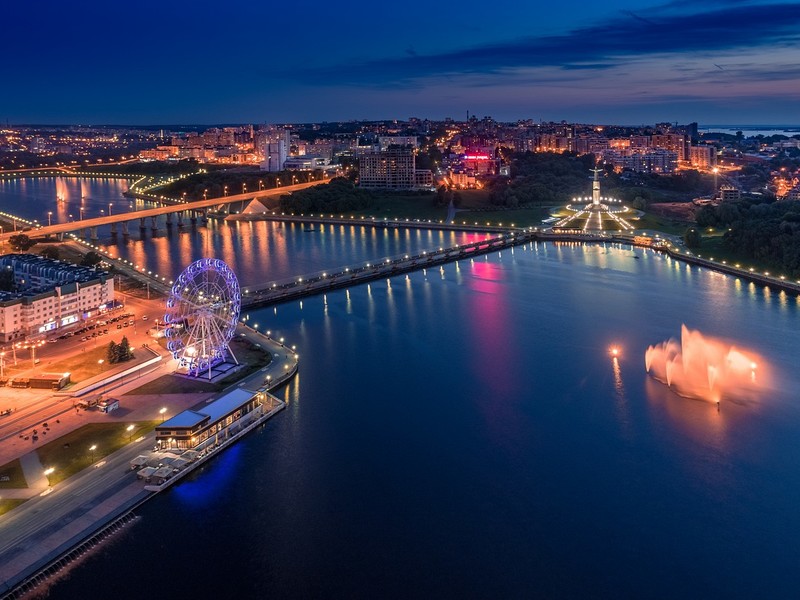
The Lower Volga begins beyond Samara and continues through Saratov and Volgograd to Astrakhan, where the river spreads into a vast delta before flowing into the Caspian Sea. These are places where the memory of the Tatar-Mongol yoke, Turkic peoples and eastern khans still lives on. There is ample evidence of those times, although much more remains buried beneath the sands. Sometimes, when sandy banks collapse, the tomb of a wealthy khan or Turkic burials of ordinary people are revealed. Saratov, Samara and Astrakhan are lively, welcoming cities with newly built promenades, beautiful parks and markets scented with dried fish. The broad Volga is divided by inhabited and uninhabited islands into its main channel, side channels and backwaters.
Popular articles
Saddle Up! Russia’s Best Horseback Riding Tours Vottovaara: Karelia’s Place of Power
Ideally, if your budget and holiday time allow, explore not only the Volga from its source to its delta, but also Russia’s other great rivers and lakes.
Are Cruises a Convenient Way to Travel?
Of course, cruises have their own particularities: some people get seasick, while others may find the company or the inability to change surroundings quickly frustrating. But these are matters of personal preference. River cruising in Russia offers many comfortable vessels where everyday inconveniences are kept to a minimum, and a packed programme ensures there is never a dull moment.
When to Go
Unlike the Caribbean and Atlantic, Volga river cruises are seasonal, operating from the opening of navigation in spring until late autumn. There is one catch: few people want to spend a holiday on the water during chilly May or rainy September. River travel is at its best when the weather is favourable, so booking far in advance may not always be ideal. When choosing dates, consider your own preferences—whether you would rather have light drizzle or blazing sunshine. It is also worth checking for local celebrations, events and harvest seasons in the towns along the route. It would be a shame to leave Astrakhan just one day before watermelon season opens or its sweet tomatoes ripen!

What to Pack
A river cruise usually calls for much the same packing list as a resort holiday: dinner outfits, comfortable clothing and shoes for excursions, as well as medication, personal-care items and any favourite snacks. It is also wise to bring warm layers and waterproof clothing, so that a sudden shower or cool river breeze does not spoil the experience.
Everyday Life on a Cruise: Things to Know
Before setting off on a cruise, it is useful to know a few important things about river travel.
So, if you have:
- motion sickness or are prone to feeling seasick, it is best not to risk your health or mood; alternatively, choose a cabin on an upper deck with a large window;
- young children, choose a cruise with entertainers and a dedicated children’s programme, or plan your child’s activities yourself.
It is also worth weighing the pros and cons of a cruise if you quickly tire of the same company, are bothered by everyday inconveniences, or dislike being part of an organised group. One more thing to remember: on a cruise, comfort and extras are generally available at a price. If you want a cabin with a window, television and refrigerator, as well as all-inclusive service and entertainment programmes on board, these options can be arranged—provided you pay for them.
A Volga cruise is an opportunity to see the beauty of central Russia that inspired the Peredvizhniki painters, visit charming historic towns, and experience all the pleasures of river travel: sunsets, sunrises and boundless landscapes unfolding beside the river.