It seems like only yesterday that Disney’s Frozen 2 arrived in cinemas. Long awaited by fans of these beloved characters, the film proved engaging, thrilling, impressive and touching—every bit as strong as the first instalment. Yet the breathtakingly vivid landscapes of Frozen are not solely the work of the artists’ imagination. They have real-life inspirations, which we would like to introduce today.
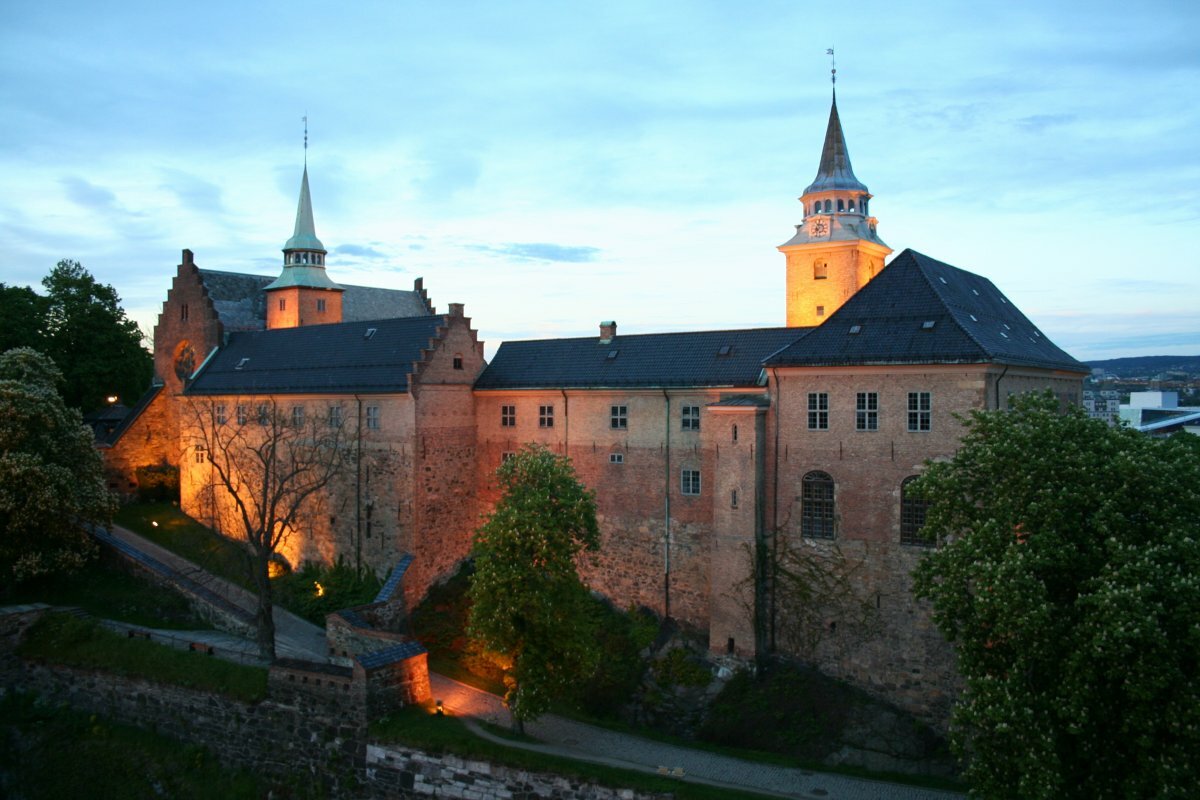
First, there is Arendelle itself: a small port town with a castle and cosy streets. Its inspiration is Akershus Fortress and Castle in Norway. This historic complex was once one of Scandinavia’s most important strongholds. Like Arendelle, it stands beside the water, overlooking Oslofjord. Its formidable brick and stone walls defended the city against enemy attacks. Their appearance, along with the combination of fortifications and green roofs, was used in the animated film. However, the buildings acquired this look during later restoration work. Over the centuries, the fortress withstood more than one siege and was never conquered. The castle, however, was once destroyed by fire and rebuilt, then remodelled several times. Its original role in defending Oslo gradually became less important. Today, it hosts government receptions and is home to two museums and other institutions, including offices connected with the Norwegian Armed Forces Headquarters and the Ministry of Defence. Perhaps Akershus’s significance and stately appearance did not go unnoticed by Disney’s creative team, who immortalised its image in the hearts of everyone who loves this animated film.
Norway itself was the main source of inspiration. That is why the castle of the two princesses was placed in such a recognisable setting. The “King of the Fjords,” whose shores are formed by steep cliffs, inspires far more than animators. Sognefjord is one of the country’s most unique and famous places. Its basin covers an area of twelve and a half thousand square kilometres, while the fjord itself stretches for 204 kilometres. The captivating beauty of this place leaves no one indifferent: broad waters framed by green slopes, reflecting clouds drifting across the sky. It is incredibly beautiful in every season. The villages scattered along its shores are so reminiscent of Anna and Elsa’s familiar home. Sognefjord was named the world’s best unspoilt travel destination as early as 2004. If you travel to Norway, this is one attraction that may make you fall in love with the country. Popular activities here include hiking, cruises and sightseeing tours. For a more adventurous experience, you can try glacier hiking. Vast blocks of clear blue ice, climbing equipment, ancient trails and new discoveries about glaciers will leave you with unforgettable impressions and bring to mind the ice monster Elsa created in the first Frozen film. You can also view the glacier from the water. To feel the scale of nature’s creation and appreciate the power of the elements, take a light kayak and a reliable companion along for the journey.
You can even spend an entire holiday in Sognefjord by staying at a local hotel. Unhurried rural life amid magnificent natural scenery will bring a refreshing stream of new impressions and awaken your own inspiration.
Popular articles
Vottovaara: Karelia’s Place of Power Tourist Season 2020: When Does It Open and What Are the Prospects?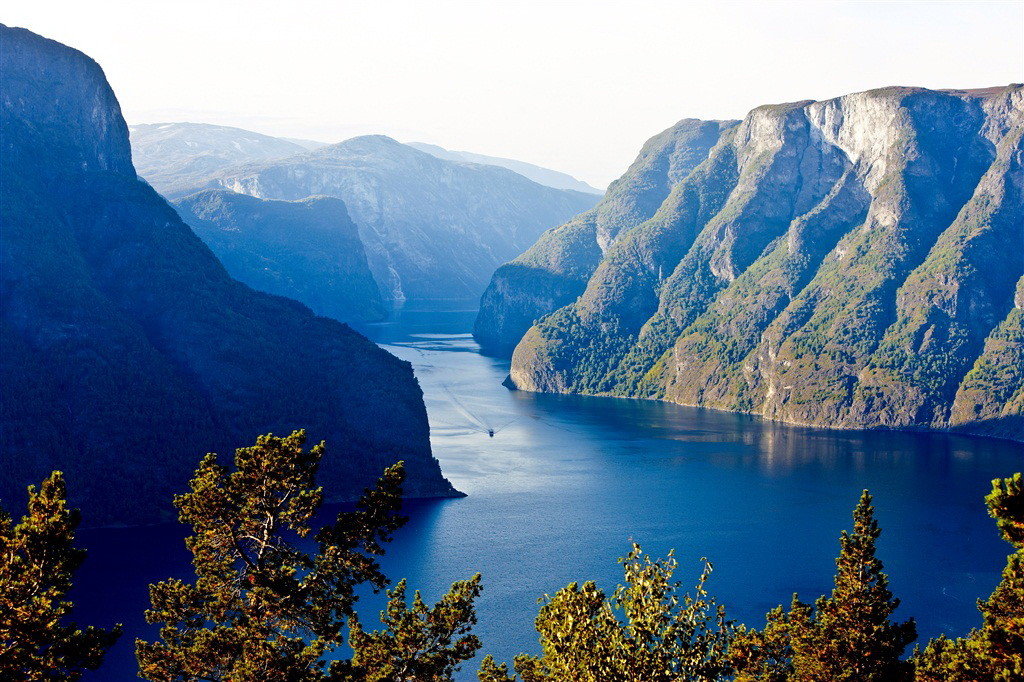
The creators of the animated film also did not overlook Bergen’s famous waterfront. This colourful scene of brightly painted houses appears in both the first and second films. Bryggen, the waterfront that draws visitors with its almost cartoon-like buildings and the lively bustle of its trading quarter, seems made for the screen. This symbol of the city is protected by UNESCO and brings significant income to Bergen through the thousands of visitors it welcomes. Numerous cafés, souvenir shops and waterside restaurants entertain guests during their strolls. A couple of museums reveal the history of the city and its waterfront, as well as fascinating artefacts discovered during archaeological excavations in the area.
It is no surprise that, when choosing characters, Disney also turned its attention to the people of this northern country. And it was an excellent choice. The Sámi, the Indigenous people of northern Norway, are portrayed authentically and convincingly in the film and are perhaps an ideal representation of northern peoples. Distinctive and vibrant, with their own language, customs and culture, they continue to preserve their community through festivals, literature published in Sámi languages and the promotion of traditional joik singing.
To research Indigenous and minority communities in greater detail, Disney’s producers began working with representatives of the Sámi Council and the Sámi Parliament.
Thanks to the coordinated work of professionals who even set out on an expedition to create the much-loved Frozen, we can feel so deeply for our favourite characters and admire the fairytale landscapes, the power of the elements, magnificent structures and, of course, this endlessly beautiful and kind story with a happy ending. And perhaps now that you know where this animated masterpiece was born, you can show and tell your children about it—or take them to these mysteriously captivating Norwegian sights. After all, this is where fairytales meet reality, and respect for nature and the world around us can be experienced beyond the screen.