Nature and climate
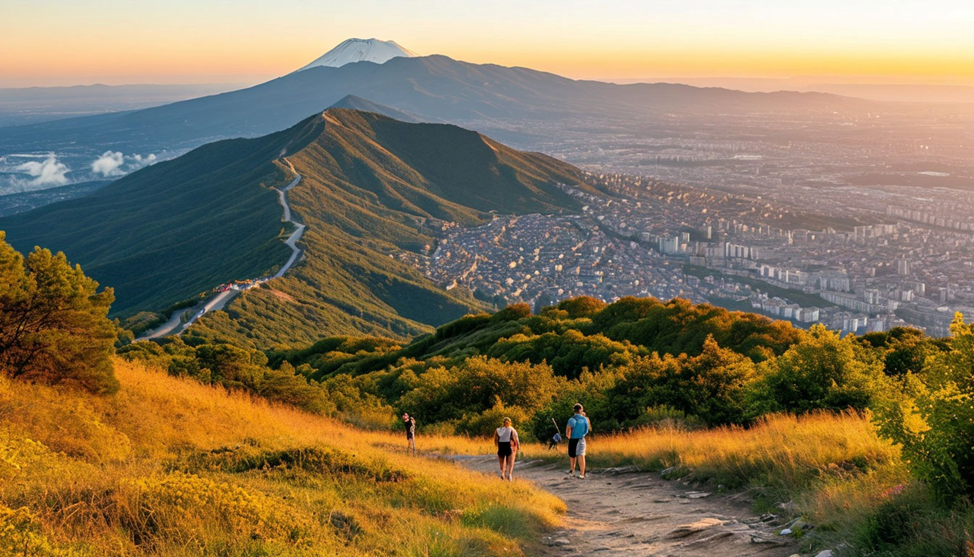
The city lies at the foot of Mount Mashuk, with Mounts Beshtau, Yutsa and Dzhutsa rising nearby. The landscape is wonderfully varied: forests alternate with open meadows, while viewpoints offer sweeping vistas across the entire region.
The climate is moderately continental, with summer temperatures of +22 to +25 °C and winter temperatures rarely falling below −5 to −7 °C. Low humidity and abundant sunshine make it comfortable to visit in almost any season.
The area’s greatest asset is its mineral springs, including hydrogen sulphide, carbon dioxide and radon waters. They are used in wellness treatments, from baths to drinking courses, subject to medical advice.
Wellness potential
As early as the 19th century, the area became a balneological centre, when its first bathhouses were established. Today, specialised health facilities and mineral-water pump rooms operate here.
Programmes use not only mineral water but also the therapeutic silt mud of Lake Tambukan. Treatments may include climate therapy, physiotherapy, inhalations, massage and relaxation techniques. Visitors most often come to support the musculoskeletal and nervous systems, digestion and metabolism. A consultation with a specialist is required before starting a course of treatment.
Iconic sights
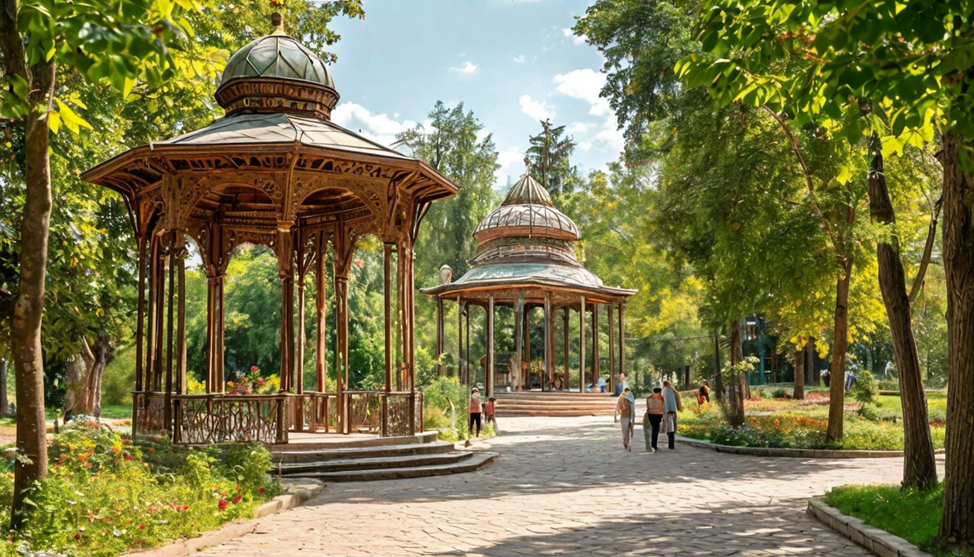
A great place to begin is Tsvetnik Park, home to the Lermontov Gallery, Diana’s Grotto and the Aeolian Harp pavilion, with views over the city and mountains.
A must-see is Proval, a natural shaft containing an underground lake, famous for both its geology and its appearance in Ilf and Petrov’s The Twelve Chairs.
Popular articles
Tourist Season 2020: When Does It Open and What Are the Prospects? Vottovaara: Karelia’s Place of PowerMount Mashuk has scenic walking trails, and a cable car takes visitors to the summit for panoramic views of the region. The Lermontov House Museum is also well worth a visit: the Caucasian landscapes had a profound influence on the poet’s work.
Leisure and gastronomy
The surrounding area is popular for hiking, including climbs up Mount Mashuk and walks at the foot of Mount Beshtau. In summer, visitors cycle, enjoy Nordic walking and have picnics.
The city’s architecture preserves the spirit of the turn of the 20th century, with mansions, galleries, mineral-water pump rooms and cascading staircases. Guided tours reveal the history of the spa resort, the Decembrists and the Caucasian period of Russian literature.
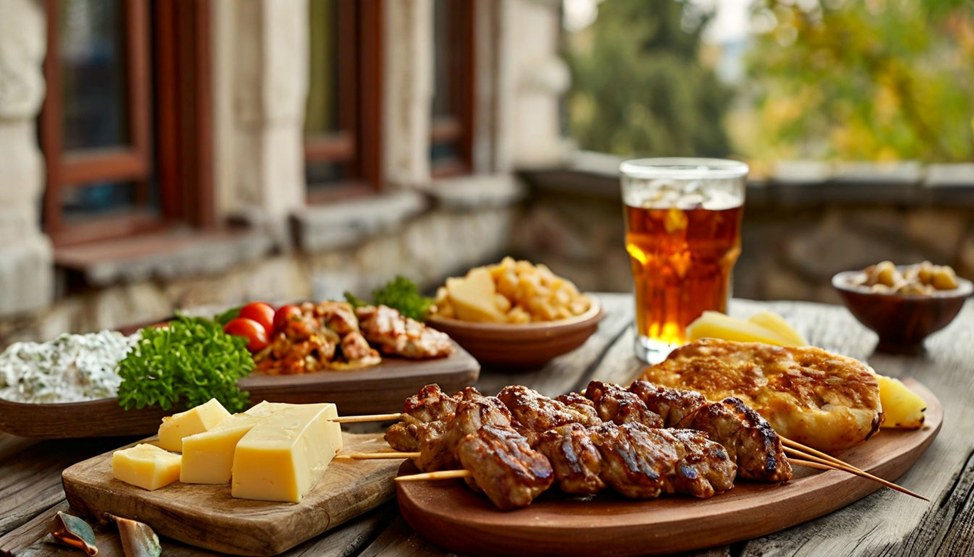
For a taste of the region, try khychin flatbreads, shashlik, homemade cheeses and herbal teas.
Practical tips
May, June and September are particularly pleasant months to visit, with no intense heat and especially picturesque scenery. July and August are the warmest months, while winter temperatures are generally mild and wellness programmes run year-round.
It is best to book accommodation in advance. For a restorative stay, choose facilities offering specialised treatments; for sightseeing, consider hotels, guesthouses or apartments.
The easiest route is via Mineralnye Vody: Pyatigorsk is around an hour away by commuter train, bus or taxi. Hiring a car is useful for exploring the surrounding area and neighbouring resorts, including Yessentuki, Kislovodsk and Zheleznovodsk.
Conclusion
Pyatigorsk offers a harmonious balance of restorative treatments and leisurely walks, literary routes and mountain scenery. Its natural resources and distinctive atmosphere make it one of southern Russia’s most sought-after holiday destinations.