Resorts Made Famous by Films and TV Series
Sometimes a small detail stays with you after watching a film. Not the hero or even the plot, but perhaps a house on a hillside or a stretch of coastline that appeared for only a few seconds. Then you start wondering where it was filmed. Before long, you are opening a map, searching for the name, and thinking: «Why not go there one day?»
That is how some resort destinations gained unexpected popularity. No one set out to advertise them; beautiful scenery simply happened to appear alongside the actors.
Phi Phi and «The Beach»
After the release of «The Beach» starring Leonardo DiCaprio, huge numbers of people learned about Thailand's Phi Phi Islands. Maya Bay on Phi Phi Leh Island was particularly memorable.
People had vacationed there before, but everything was much quieter. Then audiences saw the white sand, towering cliffs and clear water. It looked so beautiful that it is easy to understand why so many wanted to see it for themselves.
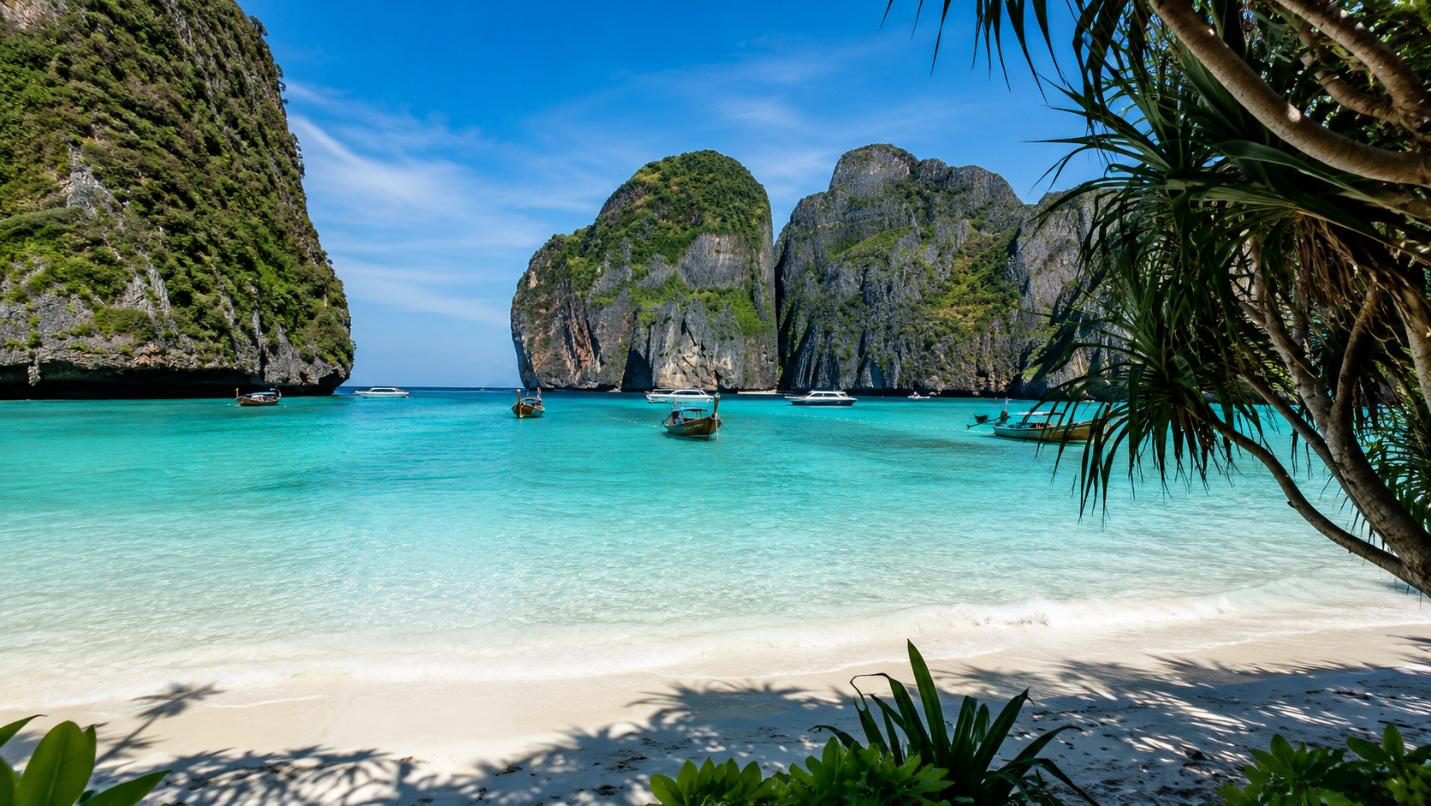
However, there were simply too many visitors. Before long, the bay could no longer cope with the crowds. The coral suffered, litter increased, and the pressure on the coastline grew considerably.
As a result, Maya Bay was closed for several years. Visitor numbers are now controlled. There is a certain irony in this: the film's characters dreamed of a place almost no one could reach, yet after its premiere everyone wanted to go there.
Skopelos and «Mamma Mia!»
Skopelos is a case where a film simply showed what was already appealing. Before «Mamma Mia!», the island was already welcoming holidaymakers, but it was not especially well known outside Greece.
The filmmakers loved the white houses, green hills, sea and narrow streets. As a result, there was barely any need to build anything special. The camera simply captured what was already there.
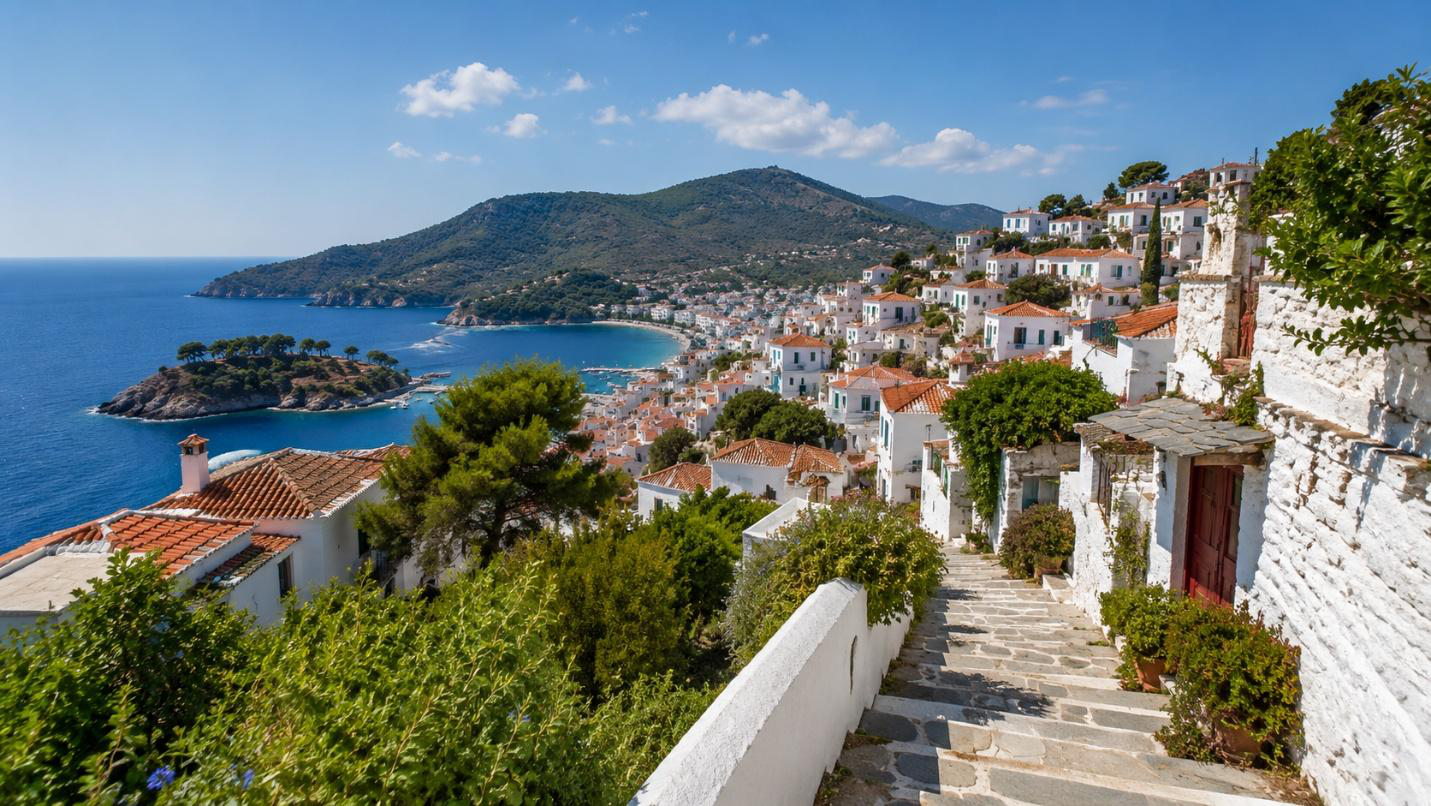
After the premiere, visitors began arriving to see the places they recognized from the film with their own eyes. Some looked for that famous church, while others simply photographed the views they loved. And some chose to combine a regular holiday with a small journey in the footsteps of a favourite film.
At the same time, Skopelos has not turned into one enormous film set. You can still step into a small taverna, enjoy a quiet dinner and watch local life unfold around you.
Dubrovnik and «Game of Thrones»
Dubrovnik was popular long before «Game of Thrones». Even without the series, it had plenty to attract visitors: ancient walls, stone houses, the sea and its historic centre.
Popular articles
Tourist Season 2020: When Does It Open and What Are the Prospects? Japan’s Lesser-Known and Fascinating IslandsBut after it appeared as King's Landing, it began to be recognized by a whole new audience. Fans of the series started arriving to see the stairways, gates and fortress walls they had previously seen only on screen.
Special tours of the filming locations soon appeared. For an ordinary traveller, it is simply old Dubrovnik; for a fan, it is a chance to feel part of a favourite series for a few hours.
What is more, the city barely needed any alteration. It already looked so convincing that hardly any additional scenery was required.
Oahu and «Lost»
Oahu, Hawaii has a slightly different story. It was well known before, but the series «Lost» showed it in a very different way from the usual tourism commercials.
On screen there were jungles, mountains, cliffs and wild shores. At times, it was hard to believe that a major city was so close by.
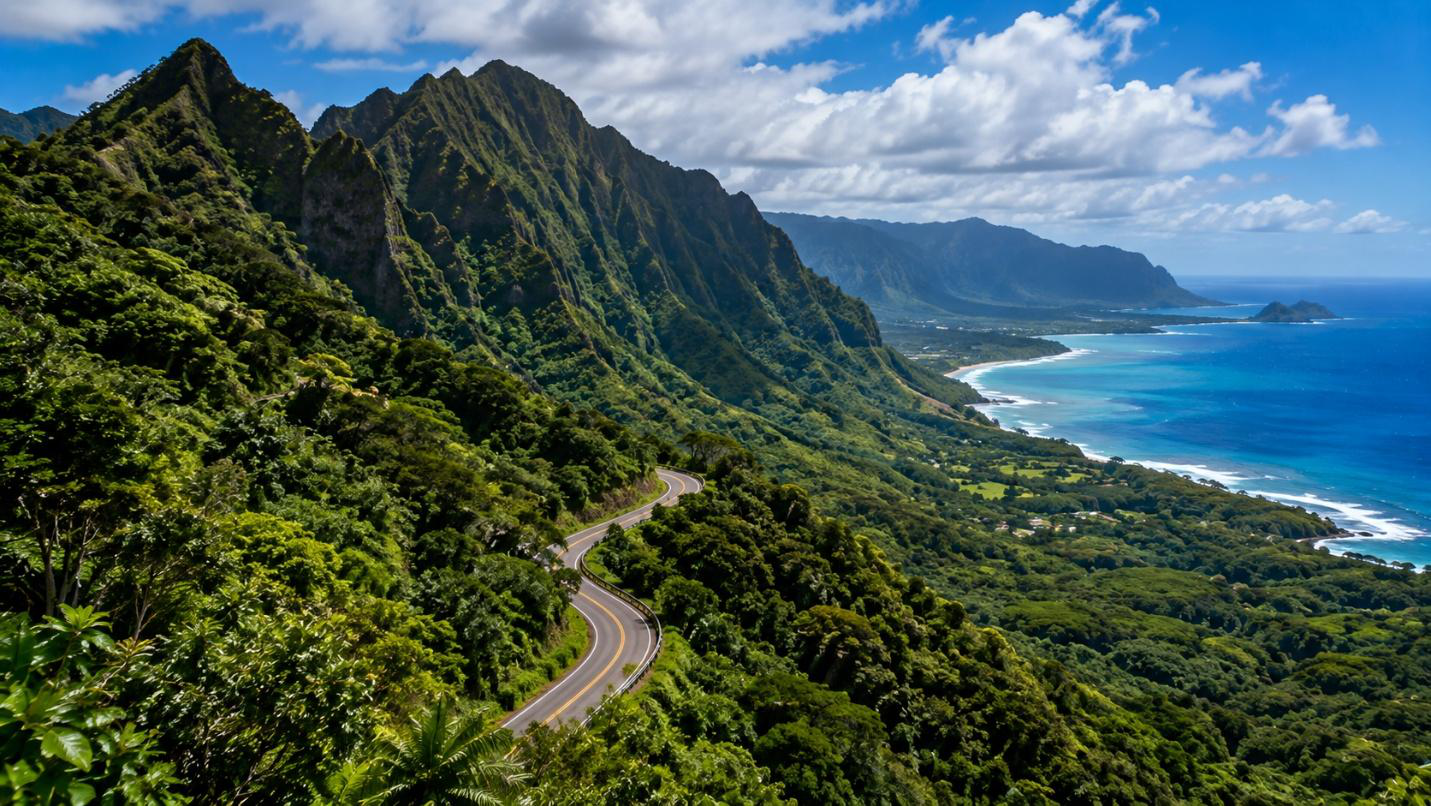
After the series became successful, fans began looking for the specific places they remembered from particular scenes. Some of them became part of guided tour routes.
But the most interesting thing is that Oahu itself is far more diverse. You can stroll through bustling Honolulu in the morning, then get in a car, drive a little farther and find yourself among green slopes with hardly anyone around. So the series added another story to the island rather than making it popular from scratch.
Why a film makes you want to go there
Perhaps because cinema makes us form an attachment to a place. You can look at a photograph of a beautiful beach and forget it. But if something important happens to a character on that beach, the image stays with you in a completely different way.
Years later, someone may not even remember the name of the film, yet still recognize that particular shore. And when they discover where it is, the perfectly natural desire arises to see it in person one day.
For hotels and restaurants, this kind of fame is certainly beneficial. More guests mean more business. New tours, cafés and holiday rentals appear.
But there is also an unpleasant side to the story. When visitor numbers become too high, small islands and bays begin to suffer. Roads become overcrowded, accommodation gets more expensive, and local residents have to adapt to the noise and crowds.
It is an amusing thing. A film crew arrives in some quiet corner, works there for a few weeks and leaves. But the film remains. Years later, someone watches it for the first time, notices an appealing landscape and starts looking for tickets to that very place.
Sometimes, one scene really is enough for a place to be remembered by millions of people.