Resorts with Unusual Rules: What Tourists Shouldn’t Do
When you arrive by the sea, the last thing you want to think about is restrictions. You want to drop your bags in the room, head to the beach, swim until evening, and take life at an easy pace. But every popular destination has its own customs and rules. Some are perfectly familiar, while others can put visitors in a rather awkward situation.
In some places, you cannot take a beautiful shell from the shore; in others, walking around town in nothing but swimwear is frowned upon; and near nature reserves, it is best not even to try feeding the local wildlife. It may sound amusing at first, but most of these rules have a perfectly sensible reason behind them.
Leave That Beautiful Shell on the Beach
On some beaches, visitors are not allowed to take shells, stones, or pieces of coral home. It may seem as though one small shell cannot make much difference. For one person, it probably does not. But when thousands of visitors do the same thing every day, the impact soon adds up.
Extra care is needed in places where sea turtles nest. If an animal has chosen a stretch of coast to lay its eggs, keep your distance. A bright flashlight, loud noise, or an attempt to take a photo from arm’s length can seriously disturb it.
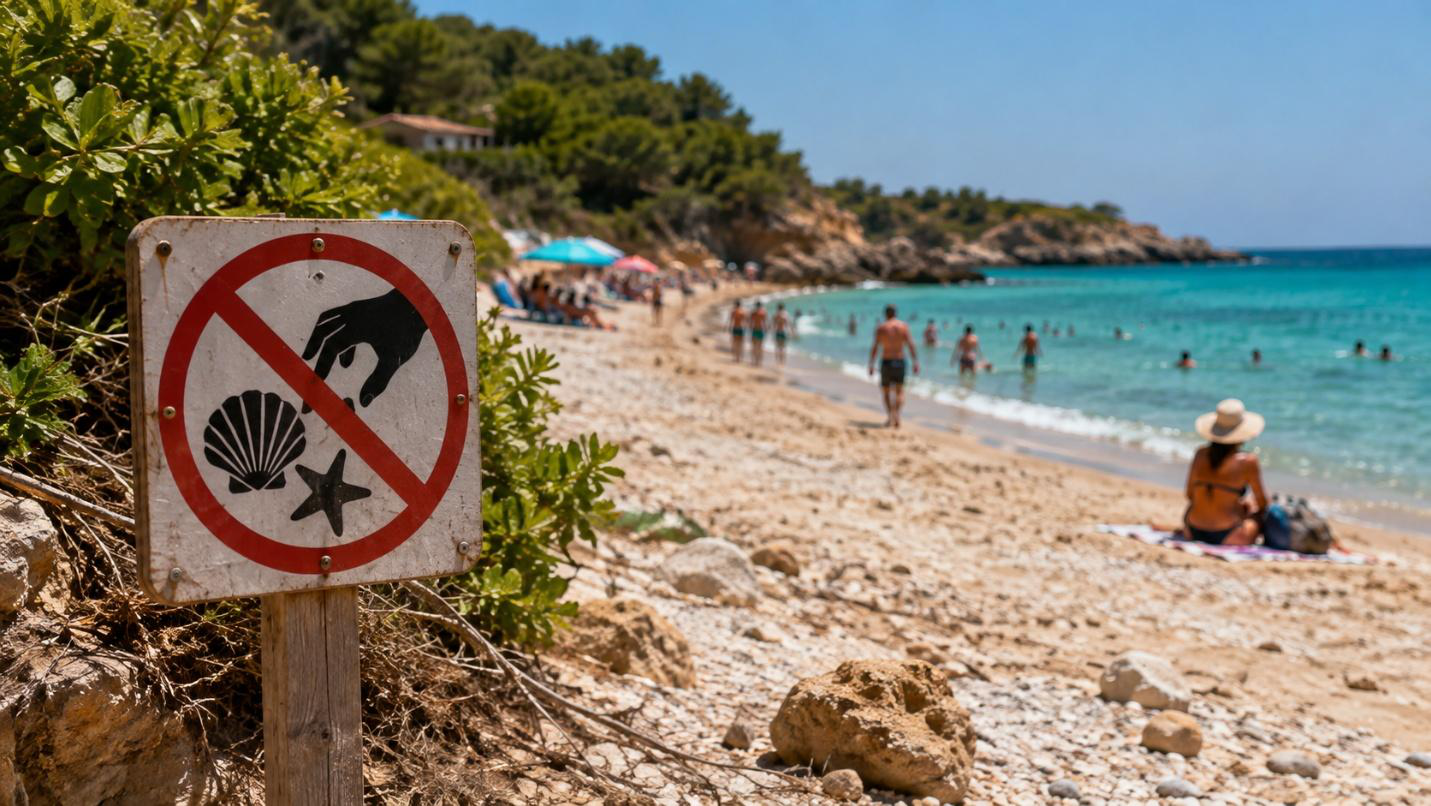
So before settling down by the water, take a look at the signs. Different sections of the same beach can sometimes have different rules.
Don’t Walk Around in Swimwear
After a full day by the sea, it is easy to get used to wearing a swimsuit and forget that you are no longer on the beach. Local residents, however, may see it very differently.
Stopping at a café on the way back from the shore may seem like a small thing. Yet in some towns, appearing in the street, a shop, or a restaurant wearing only swimwear is considered a breach of local standards. Sometimes you may simply be asked to cover up, but fines are possible too.
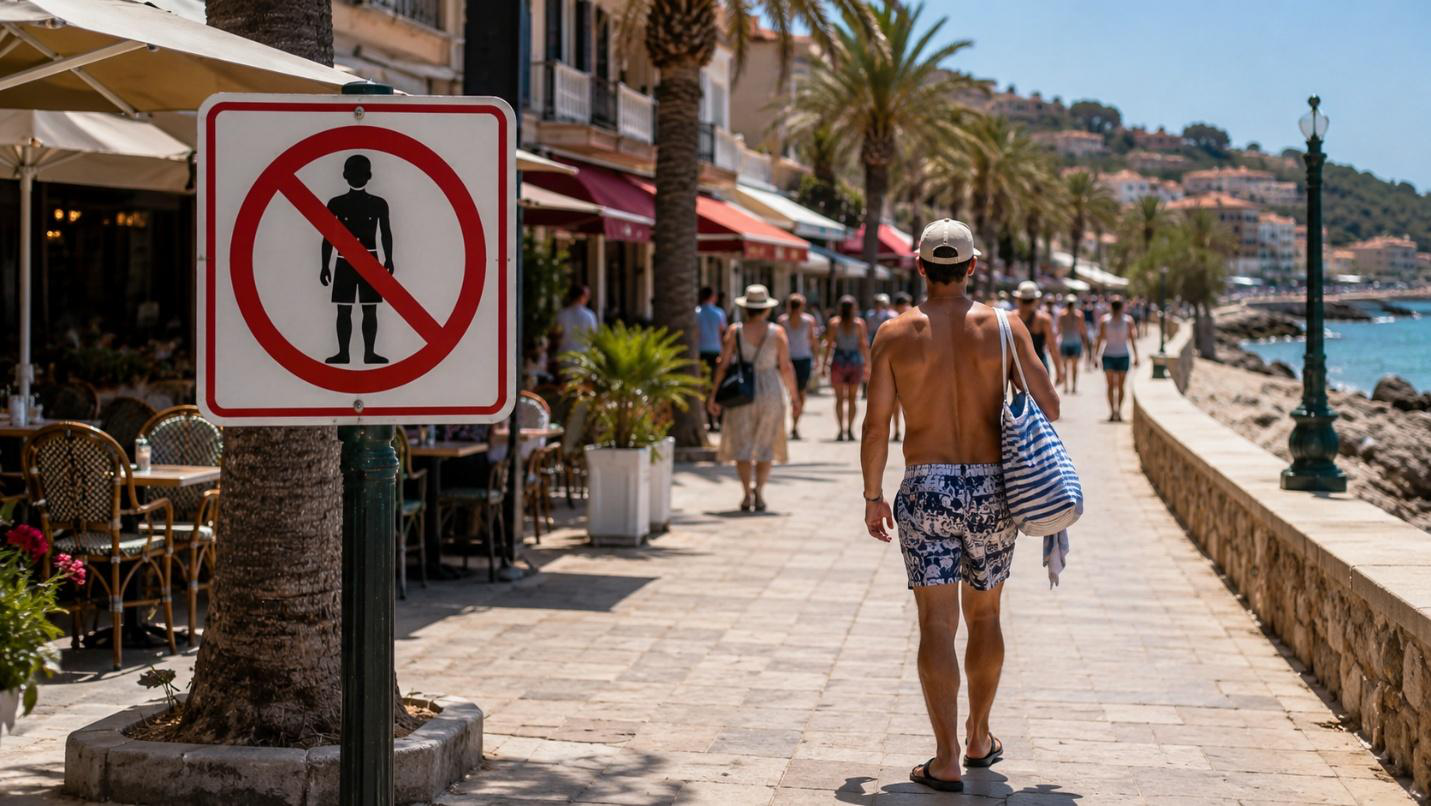
Religious buildings are a separate matter. If you would like to visit a church, mosque, or monastery, it is best to put something on over your beachwear beforehand. This is not about attitudes towards tourists; these places simply have traditions that existed long before the resorts did.
Sometimes It’s Best to Put Your Phone Away
When travelling, it is hard to keep your camera in your pocket. A beautiful harbour, an old house, an interesting market—you want to capture it all. But it is not wise to photograph absolutely everything.
Popular articles
Tourist Season 2020: When Does It Open and What Are the Prospects? Japan’s Lesser-Known and Fascinating IslandsMany countries have sites that may not be photographed. These can include military facilities, government buildings, airports, or other restricted areas. The most unpleasant part is that it can be easy to get into trouble by accident: someone takes a landscape photo without noticing that a restricted site has appeared in the corner of the frame.
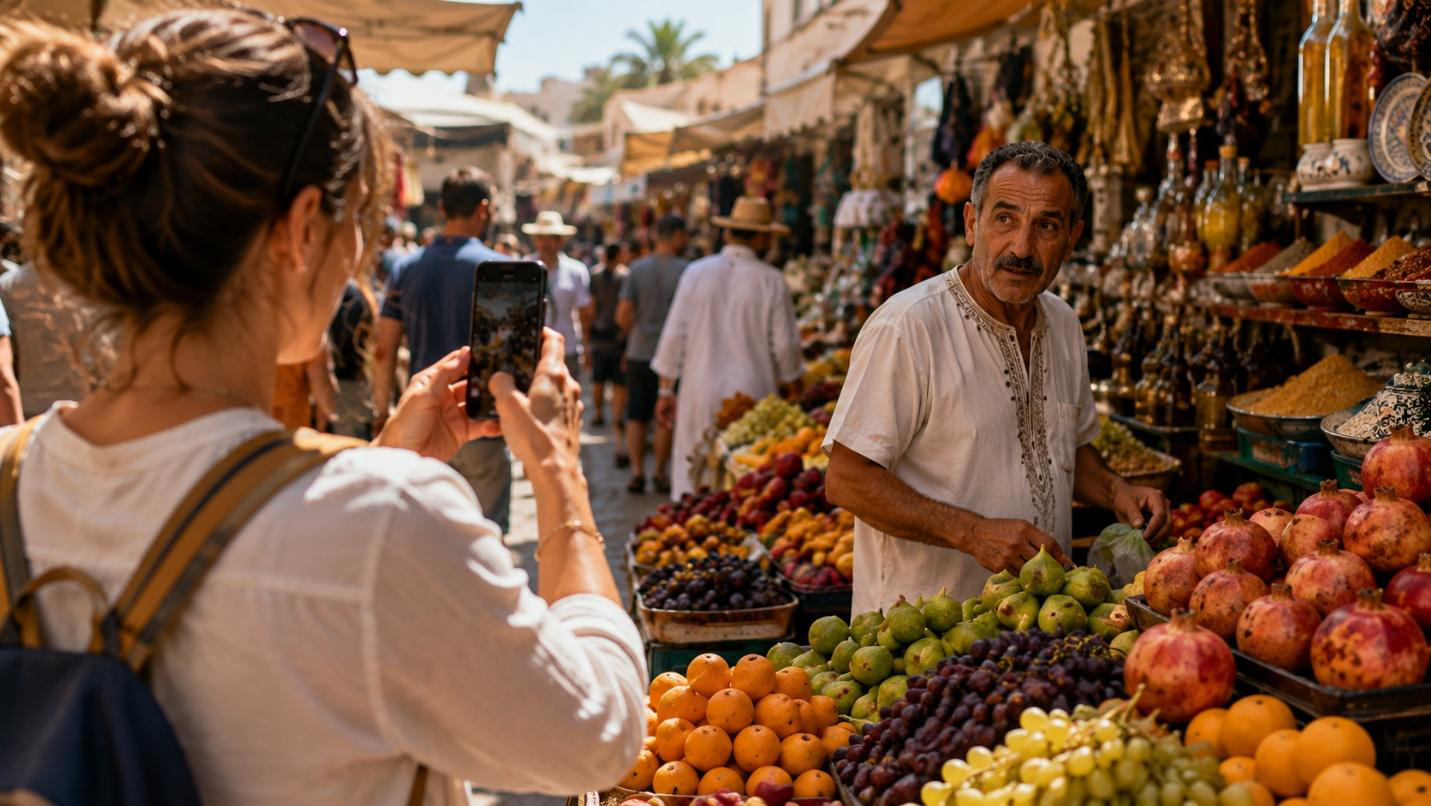
People can be complicated too. Picture a local market, with a vendor arranging fruit and life bustling all around. A great shot? Perhaps. But before pointing your camera directly at someone, it is better to ask. Not everyone wants to find their face on a stranger’s phone later.
A Resort Does Not Mean a Never-Ending Party
Some places attract visitors specifically for their nightlife. Music, bars, and dancing are all part of the atmosphere. But even there, boundaries exist.
If your hotel is surrounded by residential homes, a loud group on the balcony after midnight is unlikely to delight the neighbours. The same applies to holiday rentals. Tourists may have come to relax, but other residents do not have to celebrate with them until dawn.
Before checking in, it is worth taking a quick look at the property rules. They may clearly state the hours after which noise is not allowed. It is better to know in advance than after a knock at the door.
It’s Best Not to Make Friends with Wild Animals
The strictest rules are usually found near nature reserves and national parks. Visitors are asked not to leave marked paths, pick plants, or leave food behind.
Feeding animals is an especially bad idea. A piece of bread may seem harmless to a person, but an animal quickly learns that people provide easy food. Over time, it begins approaching holidaymakers more closely. In the end, both sides suffer.
In some natural areas, drones are also prohibited. For people, they may mean a beautiful aerial shot, but for birds, the sound of the device can be genuinely stressful.
Why So Many Rules?
In fact, most of these requirements are not designed to ruin anyone’s holiday. In some places, they help preserve the coastline; elsewhere, they protect wildlife; and in others, they simply prevent residential neighbourhoods from becoming an endless tourist party.
Before travelling, spend a little time reading about your chosen destination and checking the rules of your specific hotel. Pay particular attention to clothing, photography, and behaviour in natural areas.
After that, it is quite simple. Do not take half the beach home with you, approach turtles just for a photo, or hold a disco beneath your neighbours’ windows. If you treat your holiday destination with basic respect, most local rules will not affect your trip at all.