Belarus has become a convenient destination for a road trip! Entry and visa requirements depend on your nationality, so check the rules for your passport before you travel.
A perfect idea for a family holiday or romantic getaway after the COVID-era «stay at home» restrictions!

A road trip: a fresh perspective on familiar things
A journey by car may seem tiring and boring at first glance. From Moscow, it is just 5–6 hours along the excellent M1 highway to the border crossing.
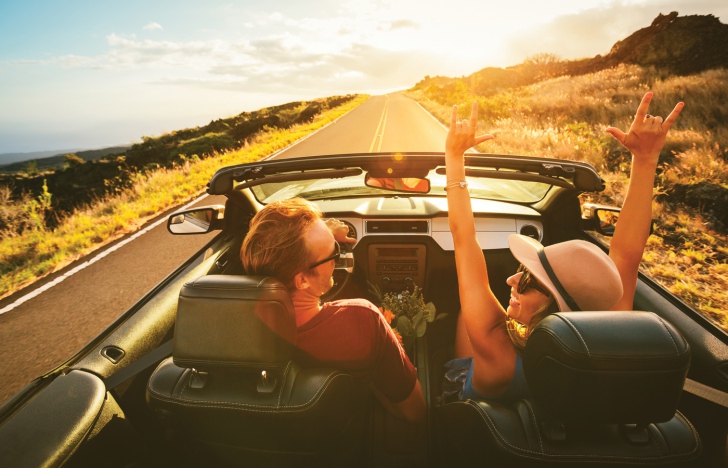
A car gives you the freedom and independence that group tours around Europe and Asia often lack. Bad weather, an uninteresting town or a disappointing hotel? No problem – simply move on to another place!
By car, you can:
- visit secluded and unique places that guidebooks never mention;
- forget about baggage limits and carefully packing souvenirs;
- change your route whenever «something goes wrong» and arrive somewhere new just a few hours later.
Best of all, familiar travel experiences suddenly take on a different meaning. You can choose the restaurants and cafés that appeal to you rather than your guide, spend hours composing the perfect photo, or simply turn around when a place does not interest you.
A guide to driving to Belarus
For anyone choosing a car over flying or taking the train, here is some practical information on travelling to Belarus by road.
There is nothing to worry about: you may barely notice that you have entered another country, though there are a few details worth knowing.
By the way, the country is referred to by several names. Its official English name is the Republic of Belarus, while Belarus is the usual short form.
Documents
Entry requirements vary by nationality. Check whether you need a visa, what passport validity rules apply, and whether any additional documents such as accommodation bookings or medical insurance are required before travelling.
An important requirement is valid third-party motor insurance for your car. This can be arranged in advance, no more than 30 days before your journey, through an insurance company or near the border, where insurance booths are often available. The minimum insurance period is 15 days; make sure Belarus is included in the countries covered.
The border
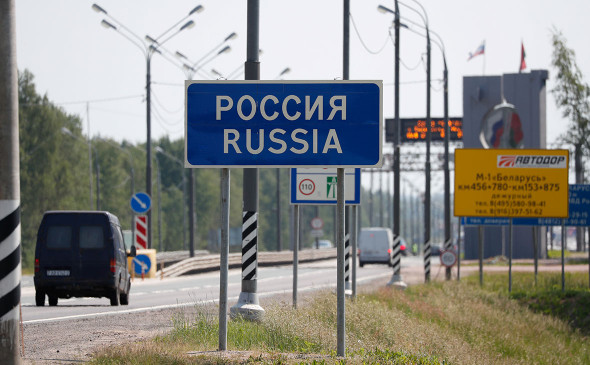
Border controls may be in place between Russia and Belarus, with officers checking documents, luggage and the purpose of travel. Allow extra time and make sure you have all required documents ready.
Important! Belarus periodically introduces official restrictions on taking certain products out of the country, including grains, meat and dairy products. If you plan to stock up on local produce, check the current list on the border service website before travelling.
Popular articles
Japan’s Lesser-Known and Fascinating Islands Tourist Season 2020: When Does It Open and What Are the Prospects?Road rules
Traffic regulations are straightforward, but the permitted speeding margin is only 10 km/h. Cameras are installed along the roads, usually marked with photo-enforcement warning signs, and there are many police patrols, including officers in plain clothes.
If an offence is recorded, you may be stopped at a permanent checkpoint when leaving the country and asked to pay the fine. Payment can be made in Belarusian rubles or by bank card.
Money
Belarus uses the Belarusian ruble. Prices may look surprisingly low after redenomination: 3 rubles, 10 rubles. Currency can be exchanged at exchange offices with your passport; the rate is approximately 1 Belarusian ruble to $0.38. Bank cards are widely accepted, and cash can be withdrawn from ATMs.
Where to refuel
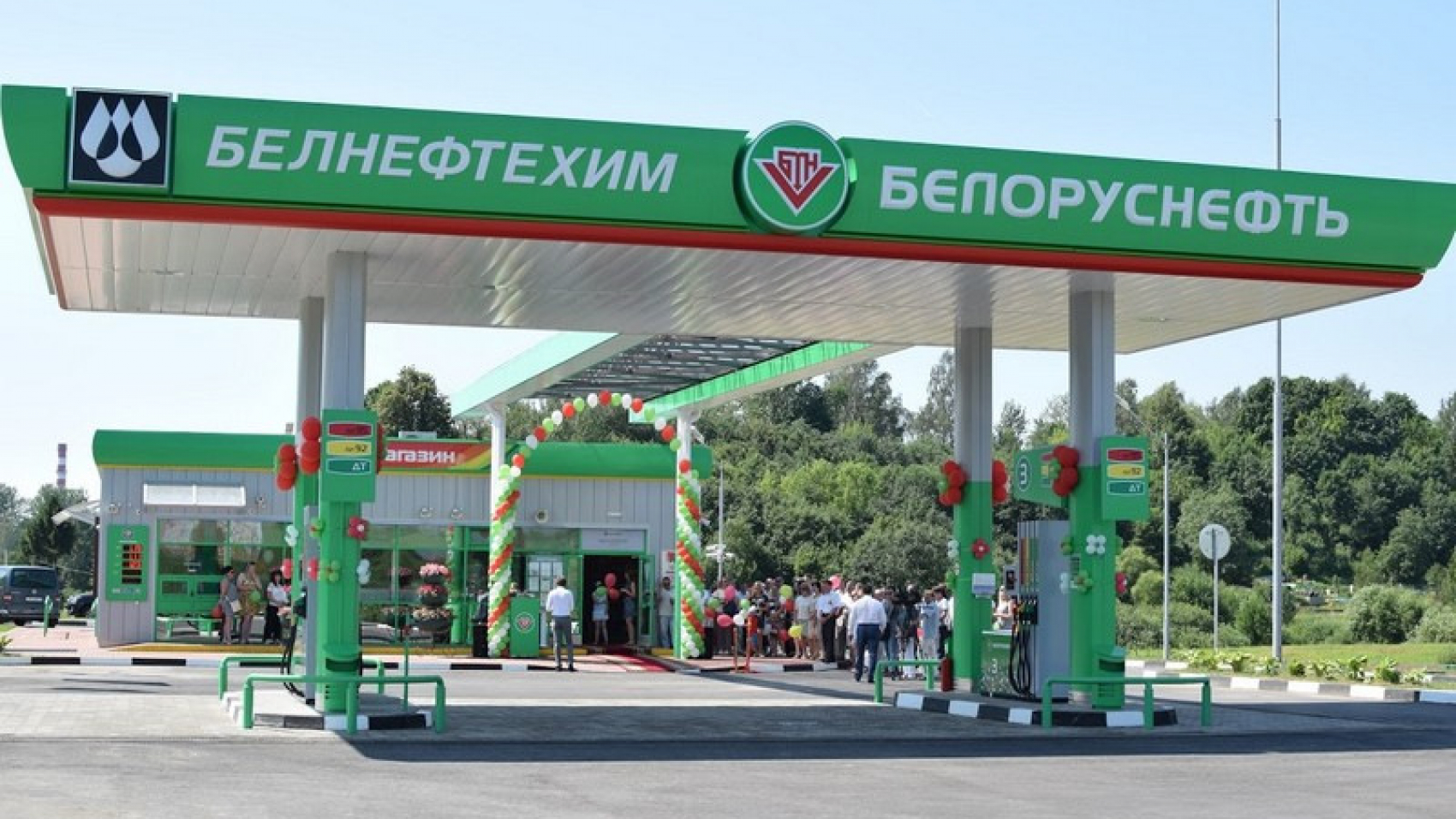
Fuel in Belarus is more expensive than in Russia, though still not at typical European prices. It is worth filling up before reaching the border.
Among petrol stations, the most popular chain is «Belarusneftekhim»; several well-known Russian brands are also available.
COVID
All COVID-related restrictions have been lifted: no PCR test or vaccination certificate is required on entry. Mask mandates have been cancelled, but the habit of washing your hands frequently is worth keeping for life!
We have arrived – what next?
Where is it delicious, welcoming and beautiful? Belarus offers a wide variety of sights and atmospheres, with every region distinctly different from the next. This is shaped by each region’s geographic and cultural proximity to neighbouring countries, creating a local character that makes travelling around Belarus especially rewarding. The best place to begin exploring is Minsk, the country’s official capital.
Minsk is all about the energy of a major city: stylish restaurants and small family-run cafés serving delicious draniki potato pancakes. Be sure to stroll along Nemiga, see the National Library building, and take a guided walk through the Trinity Suburb.

Legendary Brest is just a three-hour drive from Minsk, right on the border with Poland. A little to one side lies the Catholic city of Grodno. Across the country, you will find lakes, nature reserves, and small yet cosy and welcoming towns.
Belarus is an excellent example of careful preservation of historic heritage from every era. There are many medieval monuments, especially castles of the Grand Duchy of Lithuania and Roman Catholic churches. The towns of Mir and Nesvizh are unique, while Brest Fortress is a powerful memorial of heroism.
Belarusian health resorts and spa hotels are highly popular with both international visitors and locals. Mineral springs, mud baths, hot thermal facilities, and a range of wellness and rehabilitation programmes can help you recover your energy and leave you feeling refreshed for years to come. Top options include the «Priozerny», «Yunost» and «Ozyorny» sanatoriums.
Belarus is also a destination for food tours: try local cuisine and farm products, stay on farms and get a closer look at rural life and its cloven-hoofed residents.
Belarus may feel familiar and welcoming rather than overwhelming, but it is a wonderful place to rediscover the joy of travelling: seeing something new and unknown, joining excursions, and being surprised by different ways of life after two years of COVID-era holidays. Belarus is a worthy destination for a memorable and engaging trip!