Montenegro is a small country nestled on the Adriatic coast. It offers picturesque coastal scenery, small towns with narrow streets and beautiful stone houses, and, of course, the country’s calling card: Sveti Stefan Island. Once a fishing village, it became a luxury hotel frequented by millionaires and celebrities. At times, it may even be closed to visitors, usually during visits by high-ranking guests.
Yet the postcard-perfect view of this little island, dotted with orange roofs and modest on the outside yet luxurious within, remains one of Montenegro’s most appealing sights. Naturally, staying at the island hotel is very expensive, and the nearby beaches belonging to the hotel are also paid. Sunbathing on one of these beaches costs more than €100, excluding tax. There are three paid beaches, located to the right of the causeway connecting the island to the mainland. On the other side, there is a free beach where you can relax either without beach equipment or by renting it at a reasonable price. Incidentally, it is possible to enter the paid beaches for a swim. There are also ways for visitors who cannot stay on Sveti Stefan but would love to see it from the inside. The first option is, of course, a guided tour. Tours are held regularly and cost an average of €10–20 depending on the season. However, the island may sometimes be closed to tour groups. In that case, another option is to reserve a table at a restaurant. You will have to pay more for fine dining than for a guide, but you are unlikely to be turned away for lunch or dinner.
Even if none of these options works for you, you can try attending a morning church service.
You can admire the island in all its glory from two viewpoints. One of them is on Paštrovićka Gora Hill. Near the Church of St. Sava, visitors can enjoy magnificent views of the lush coastline and the endless blue sea. If you wait for sunset, your photos will be truly spectacular. Many consider this one of the most romantic spots in Montenegro.
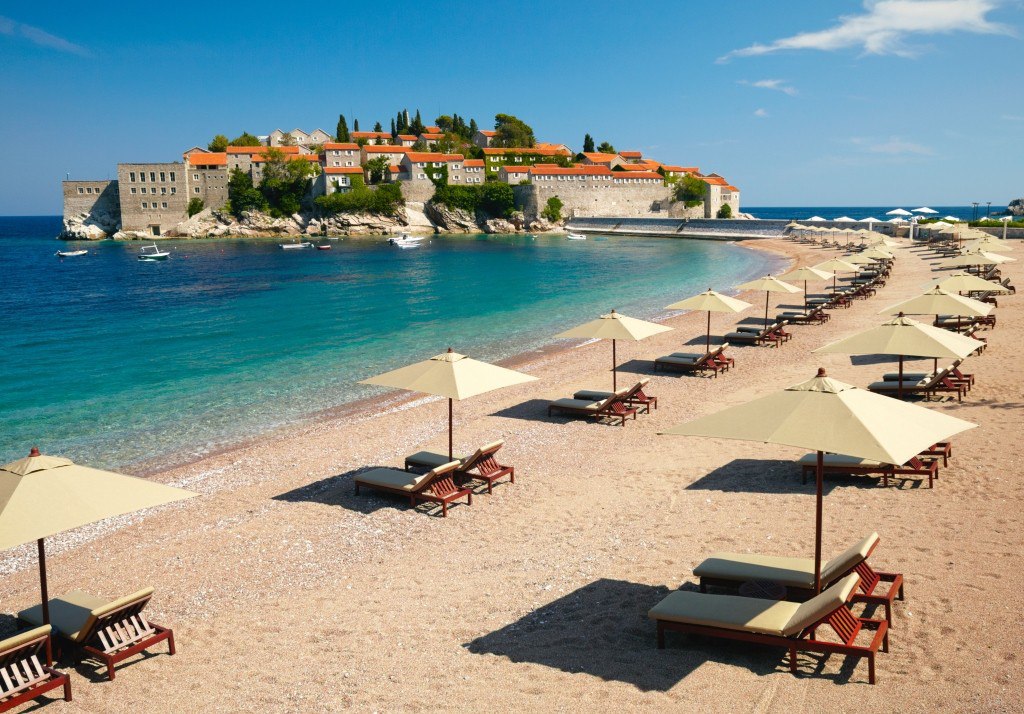
It is also worth exploring the surrounding area on foot. Distances are short, and the views are magnificent.
Near Villa Miločer, take a stroll through the Royal Park. Olive and cypress groves, a stone bridge and an unusual rock formation make it a wonderful spot for photography enthusiasts. Or simply admire the beauty created by the partnership of nature and human hands.
However, there is far more to see here than beaches and the island. You do not even need to travel far: the equally famous town of Budva is only nine kilometres away. Public transport runs there regularly, with departures every 15 minutes. Buses start running at 6:00 am from Budva and at 6:30 am from Sveti Stefan. The last bus leaves at 10:30 pm, giving you enough time to enjoy the sunset and return to your accommodation affordably. The fare is €1.50.
Budva itself has plenty of places that are well worth visiting. Conveniently, you can see the main sights in an hour, or spend almost an entire day exploring them in more detail. Your schedule will determine which option suits you best. Many visitors also choose to rent a car. Average rates start at €8 per day if you are travelling soon, making it an affordable way to get around. Be prepared to pay a deposit and for any additional options you may need. Extras may include a child seat, GPS navigation or a Wi-Fi router. Insurance is another additional cost. The options are fairly standard, while having your own transport adds a certain level of comfort.
Popular articles
Japan’s Lesser-Known and Fascinating Islands Tourist Season 2020: When Does It Open and What Are the Prospects?So, what else should you see if you are heading to Budva? The Old Town should certainly be first on your list.
This is where you will find many of the town’s key attractions: the Citadel, Church Square, the museum and the Sea Gate. You can also walk along the walls above the Old Town and enjoy breathtaking views. Do not miss Budva’s symbol, the Dancer of Budva statue. Its graceful silhouette is familiar to anyone who has learned even a little about Montenegro. History lovers will enjoy the ruins of Mogren Fortress, which can be visited free of charge. If you would like to swim, head to Mogren Beach, named after the fortress. If you have already spent time on the beaches around Sveti Stefan, visit the Podmaine Orthodox Monastery or Rustovo Convent. Both are interesting in their own way, hold religious services and offer unusual experiences for visitors.
Those who enjoy walking can follow the trail from Budva to Bečići or walk to Kamenovo Beach through the tunnel in the mountain. In Bečići, there is a 2,000-year-old olive tree. You can also visit an old olive oil mill there, which is easy to find by following the signs on the houses.
Another well-known fortress accessible by car is Kosmač Fortress. It is located near the village of Brajići, in the Budva area. Set high above the coast, it offers views of both the town and the shoreline.
An outdoor water park operates during the summer season. In season, young visitors often dance the night away at the Top Hill nightclub. Travelling with children? Stop by the mini zoo in the town centre. It has a small collection of animals, including rabbits, turtles, peacocks and swans. There is also a playroom, which children under seven can visit free of charge.
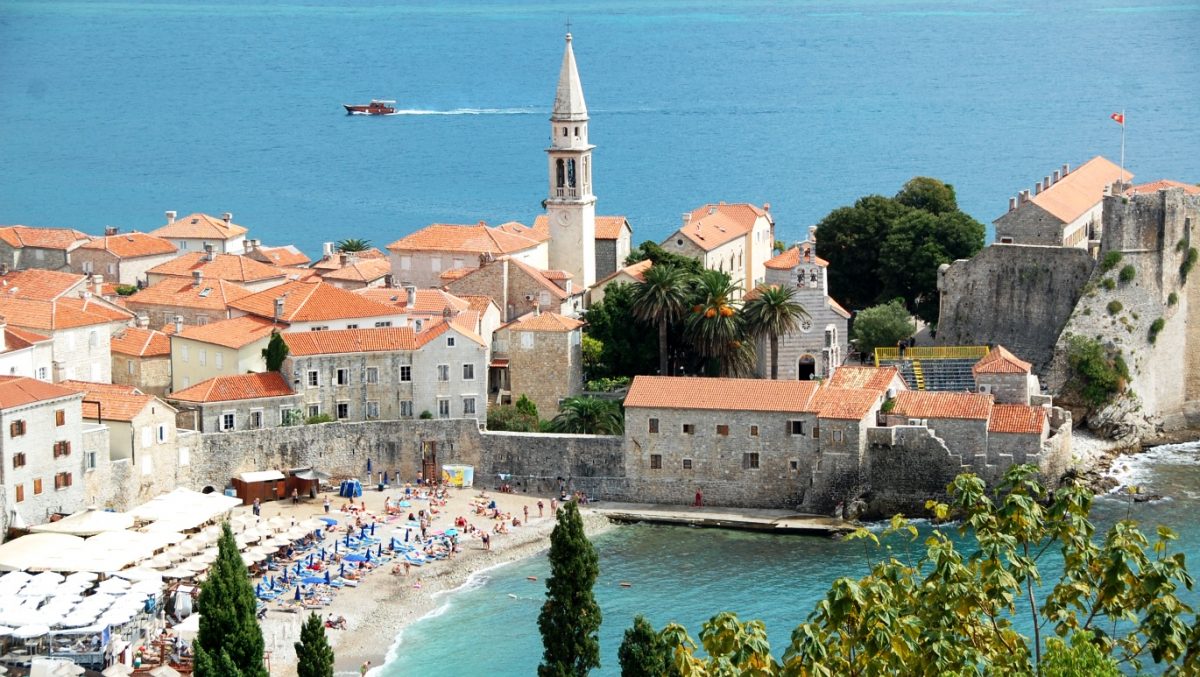
As you can see, if you take a break from beach time, you can make your holiday much more varied and memorable. Guided tours can be arranged in advance, including their duration and preferred routes.
Adventure awaits those willing to seek it out. Sights and beaches, nightclubs and restaurants, hiking, churches and places of spiritual significance: choose the experiences that suit you best. The towns of the Budva Riviera will delight you with their variety of entertainment and cultural attractions.