The Egyptian pyramids are among humanity’s most mysterious and remarkable creations. Built in antiquity, these majestic structures continue to inspire fascination and admiration. The history of Egypt’s pyramids is closely tied to the development of this ancient civilization and has had a significant influence on world architecture and culture.
Pyramids appeared in Egypt during the Old Kingdom, around 2700–2200 BCE, and served as tombs for pharaohs. The best known is the Pyramid of Khufu at Giza, regarded as one of the Seven Wonders of the Ancient World. Built for Pharaoh Khufu, the Great Pyramid is the oldest and only surviving wonder of the ancient list. Its construction took around 20 years and required immense resources and labour.
Beyond their outward splendour, the pyramids also hold profound symbolic meaning. They represent ancient Egyptian ideas about the world and the cosmos, while symbolising eternity and immortality. The pyramids reflect the technical and mathematical achievements of the ancient Egyptians, as well as their belief in the afterlife and continued existence after death.
The Mysterious Pyramids of Egypt
The first pyramids appeared in Egypt around 4,700 years ago during the Old Kingdom. Dozens of pyramids were built, but the most famous and majestic are those at Giza. These three pyramids, built for the pharaohs Khufu, Khafre and Menkaure, are true masterpieces of engineering and architecture.
Architecture and Construction
Egyptian pyramids are enormous triangular structures made of large stone blocks. These blocks were carefully cut and fitted together, often without mortar, making their construction all the more remarkable.
One of the pyramids’ most intriguing features is the precision and symmetry of their design. Despite their immense size and weight, the pyramids have an almost perfect geometric form, with sides that are remarkably equal in length.
Importance for the Development of Civilisation
The pyramids played an enormous role in the development of ancient Egyptian civilisation. They were not only monumental memorials and burial places for pharaohs, but also symbols of the power and wealth of ancient Egypt.
Building the pyramids required vast resources and large numbers of workers, contributing to the development of Egypt’s economy and social organisation. Their construction led to new technologies and engineering solutions that were later applied in other areas of life and work.
The History Behind These Majestic Structures
The history of pyramid building in Egypt began around 4,700 years ago during the Old Kingdom. The first major and most famous early pyramid is considered to be the Pyramid of Djoser, built at Saqqara in the 27th century BCE. This was the first large-scale structure of its kind, becoming a symbol of pharaonic power and a great achievement of ancient Egyptian architecture.
The main purpose of the pyramids was to ensure the pharaoh’s immortality after death. Ancient Egyptians believed in life after death and sought to create powerful memorial structures that would serve as tombs for pharaohs and help them pass into the next life. The pyramids were also symbols of the strength and wealth of Egyptian civilisation.
Building Technologies and Methods
Popular articles
Tourist Season 2020: When Does It Open and What Are the Prospects? Japan’s Lesser-Known and Fascinating IslandsConstructing the pyramids required immense resources and technical knowledge. Stone blocks were quarried and transported from distant sites. Builders used specialised tools, including picks, hammers and hauling equipment, to raise and position the enormous blocks.
One of the most mysterious aspects of pyramid construction is how the ancient Egyptians raised huge stone blocks to great heights. Several theories exist, including the use of ramps and lifting devices, but the exact method remains uncertain.
Importance for the Development of Civilisation
The pyramids played a major role in the development of ancient Egyptian civilisation. They enabled pharaohs to strengthen their authority and affirm their divine status. Pyramid construction required a large workforce, contributing to the development of social structures and labour organisation.
The pyramids and their surrounding temple complexes were also centres of religious and cultural life in ancient Egypt. They served as places of worship and religious ceremonies, as well as repositories for valuable objects and offerings.
Today, Egypt’s pyramids are World Heritage monuments that attract visitors from around the world. They are unique historical and architectural landmarks, bearing witness to the grandeur and power of ancient Egyptian civilisation.
The Importance of Pyramids to the Development of Ancient Civilisation
Originally, pyramids were built as tombs for pharaohs, the rulers of Egypt. They were not only imposing structures, but also symbols of the pharaoh’s divinity and authority over life and death. Building pyramids was a complex and lengthy process requiring immense resources, technical knowledge and organisational skill. This demonstrates the advanced development of ancient Egyptian civilisation.
In addition to their religious and symbolic importance, pyramids also played an important role in the economy and social organisation of Egyptian society. Their construction provided work for thousands of people and required vast quantities of materials, encouraging the growth of crafts and trade.
Technical Achievements and Engineering
Building pyramids required substantial knowledge of architecture, engineering and mathematics. The ancient Egyptians developed sophisticated systems for measuring and handling stone blocks, allowing them to create monumental structures without modern equipment. They also applied their understanding of physics and geometry to create stable and durable buildings.
Thanks to their engineering solutions, Egypt’s pyramids became great achievements of ancient architecture and had a significant influence on later civilisations. Their construction techniques and structural forms have inspired architects and engineers for centuries.
A Source of Knowledge and Cultural Heritage
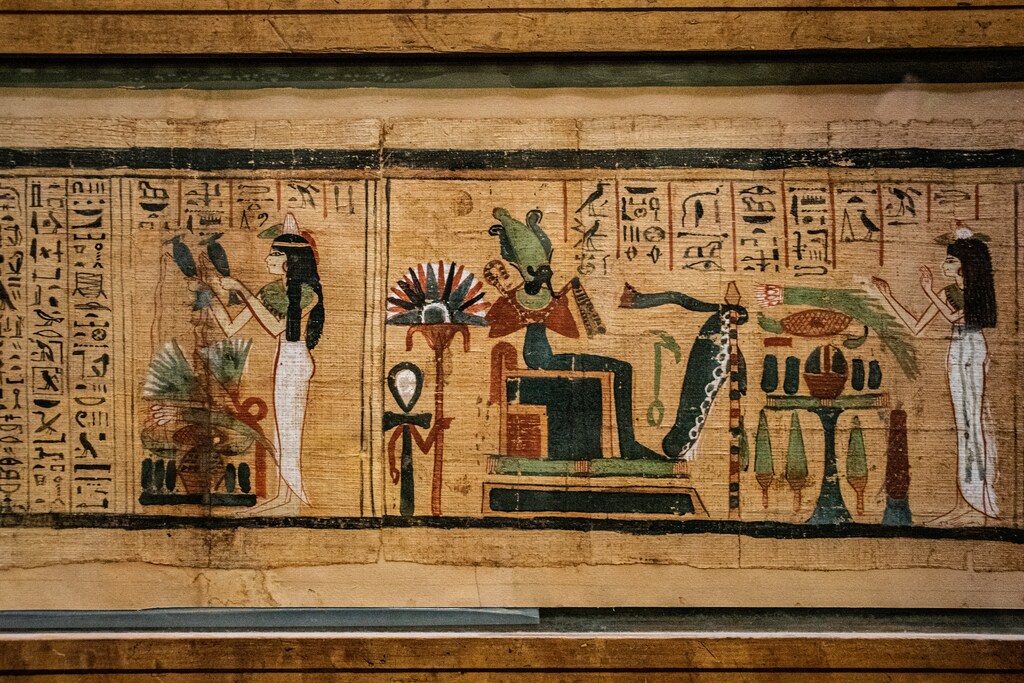
The pyramids and their surrounding complexes are also important sources of information about the lives and customs of the ancient Egyptians. Nearby temples, tombs and other structures contain numerous paintings, texts and objects that help researchers understand the history and culture of this civilisation. They offer a unique opportunity to learn about ancient Egyptian religious beliefs, legal systems, art and science.
Overall, Egypt’s pyramids are of immense importance to the study of ancient civilisation. They are symbols of the grandeur and power of the pharaohs, evidence of the high level of technical and cultural development achieved by the ancient Egyptians, and valuable sources of information for researchers and historians.