Legends of great structures hidden amid ancient jungles captivate the mind and imagination. Dense foliage and age-old roots bear witness to eras when humanity carved its history in stone. The allure of mystical patterns and architectural refinement draws travellers from afar, promising an immersion in mystery and grandeur.
Gleaming straight lines, curving arches, and interwoven sculptural details transport visitors to the past—to moments of worship and spiritual contemplation. Here, among the ruins and sandy paths, stories emerge of great sages and monumental construction, of eternity and the changing nature of life.
Secrets of the Temple Labyrinth: Decoding the Symbols
Within these majestic structures, skilfully woven into the dense tropical forest, lie countless mysteries. They are found in the symbols adorning walls and arches, and deep within the labyrinths—like enigmatic messages from antiquity awaiting interpretation.
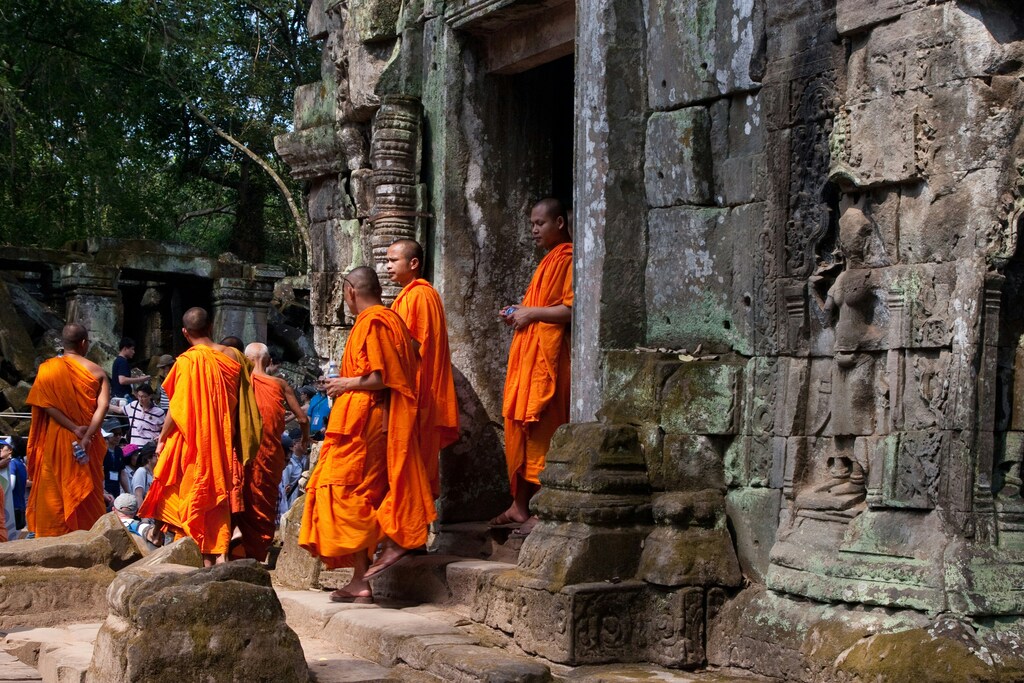
Symbolism and Its Meaning
Like mirrors of ancient beliefs and wisdom, symbols bear the imprint of the time and cultural context in which they were created. Decoding them opens a portal into a world of ancient myths and rituals, revealing the depth and many layers of meaning within each one.
Symbols in Architecture
Architectural elements are also imbued with symbolism; their forms and placement are far from accidental. They serve not only as decoration but also convey important messages about cosmology, religious beliefs, and historical events rooted in the distant past.
The Art of a Stone Symphony: Architectural Splendour
Technology and Beauty in the Creation of Cambodia’s Sacred Structures
One of the key techniques behind temple construction was the masterful working of stone. Local craftsmen quarried sandstone and laterite, then used simple tools to transform them into elegant architectural elements admired for their artistry and technical sophistication.
Alongside technical achievement, great attention was paid to aesthetics in the construction of Cambodia’s temples. Rich in detail and ornamentation, these architectural compositions served not only a practical purpose but also embodied the spiritual and cultural ideals of their time.
Technique and aesthetics shaped one another, creating a unique symbiosis that made Cambodia’s temples magnificent monuments of world heritage and enduring sources of wonder for researchers and travellers.
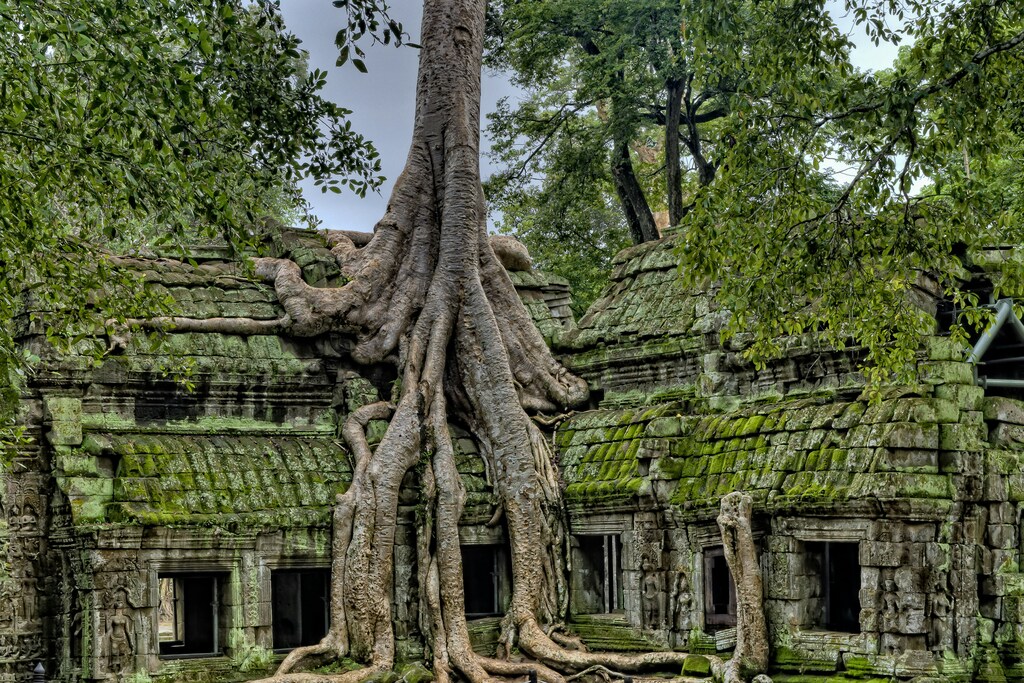
The Spiritual Heritage of the Khmer Empire: Religious Practices
The Role of Religion in Khmer Life
In Khmer culture, religion represented not only belief in the supernatural but also provided the foundation for moral and ethical values that shaped behaviour and relationships in society. It also permeated many areas of life, including art, architecture, and politics.
Rituals and Ceremonies
Religious rites and rituals played an important role in Khmer life, bringing people together around shared values and beliefs. From lighting sacred fires to elaborate ceremonies, these practices reflected profound respect for deities and ancestors, as well as a desire to live in harmony with nature and the cosmos.