China is a great country with a rich history and mysterious traditions spanning thousands of years. The Celestial Empire, as ancient Chinese people called it, is considered one of the world’s oldest civilizations. Its mysteries and secrets attract scholars, researchers, and curious travelers alike.
One of the mysteries of ancient China is its writing system. Chinese characters are a unique system of symbols with a history of more than 3,000 years. It combines pictographs representing objects and phenomena from the surrounding world with ideographs conveying abstract concepts. Every character has its own history and symbolic meaning, making its study a true adventure.
China is also renowned for its cuisine, one of the world’s most diverse and refined. The richness and flavor of Chinese dishes impress even the most discerning gourmets. Traditional cooking methods hold a special place in Chinese cuisine, including stir-frying over high heat, braising, and steaming. These techniques give dishes their distinctive tenderness and aroma.
Mysterious traditions and rituals are another hallmark of ancient China. One of the best known is the tea ceremony. Tea originated in China thousands of years ago and has since become an integral part of Chinese culture. A cup of tea not only quenches thirst but also symbolizes hospitality and friendship. The tea ceremony involves a multi-step process of preparing and enjoying tea, requiring skill and attention to detail.
A journey into ancient China is an immersion in a world of mysteries waiting to be explored. Every corner of the country holds its own unique history and a fragment of ancient tradition. From the famous Great Wall of China to its many remarkable historic sites, China welcomes those who wish to discover its secrets and understand its true spirit.
Ancient China: History and Mysteries
The Mystery of the Great Wall of China
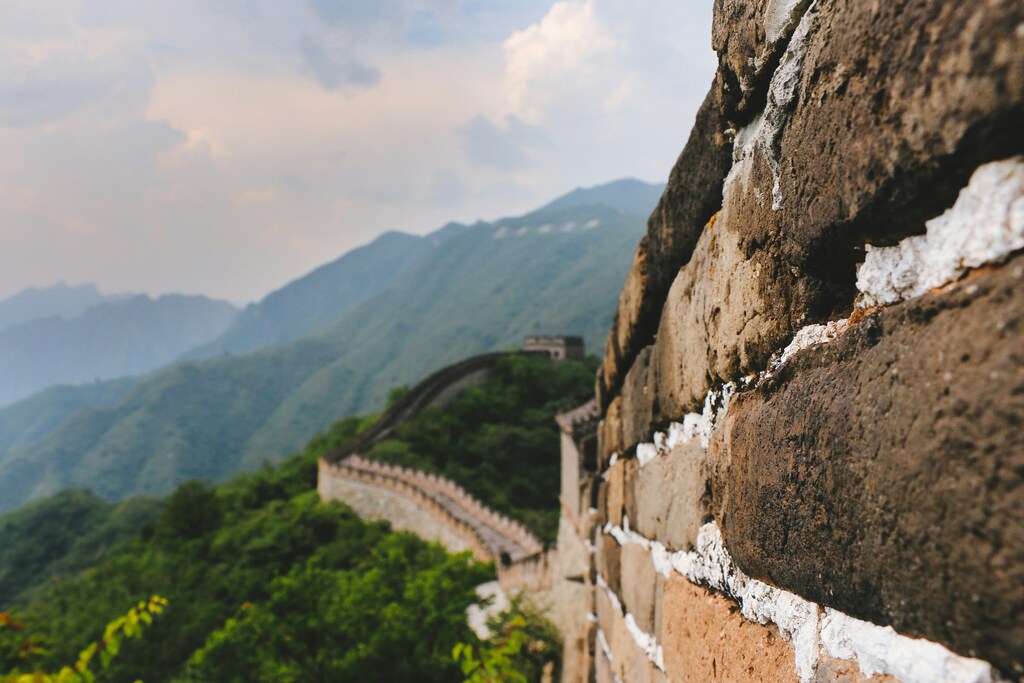
One of the best-known landmarks of ancient China is the Great Wall of China. It stretches for thousands of kilometers across the country’s northern regions and served as protection against invasions. Yet it remains remarkable that such a vast structure was built without modern technology. The methods used to construct the Wall and the time it took remain subjects of ongoing research.
The Mysteries of the Terracotta Army
Another extraordinary mystery of ancient China is the Terracotta Army, discovered near the mausoleum of Emperor Qin Shi Huang. It is an enormous collection of terracotta soldiers and horses created to protect the emperor in the afterlife. How this army was made and why it remained hidden for so long are questions that still fascinate historians.
The Enigma of the Yin and Yang Symbol
The Yin and Yang symbol is one of the fundamental symbols of ancient China. It consists of a circle divided into black and white sections, representing opposites and the connection between them. Chinese scholars and philosophers have explored its meaning for centuries, and it continues to inspire interpretation and debate.
- The mystery of the Chinese writing system
- The enigma of secret societies
- The mysteries of ancient emperors
Ancient China continues to captivate and surprise researchers from around the world. Its history and mysteries inspire exploration and new discoveries. Yet some of ancient China’s enigmas may remain unsolved forever, leaving room for imagination and wonder.
The Power and Grandeur of the Celestial Empire
Ancient China was one of the most powerful and influential civilizations in human history. The Celestial Empire, as it was also known, endured for more than two thousand years and left an immeasurable mark on history and culture.
The power and grandeur of the Celestial Empire can be seen in many aspects of its development. Chinese emperors ruled vast territories stretching from the Great Wall in the north to the border with Vietnam in the south. They created powerful armies that secured the frontiers and defended the empire from external threats.
The Celestial Empire was also renowned for its sophisticated art and culture. Chinese philosophers and scholars developed distinctive systems of thought, such as Confucianism and Daoism, which continue to influence modern society. Chinese artists and poets created exquisite works that are still admired for their beauty and depth.
However, the power and grandeur of the Celestial Empire extended beyond political and cultural influence. China was also a leader in science and technology. Chinese scholars made many important discoveries and inventions, including the compass, gunpowder, paper, and silk production. These innovations were of enormous importance not only to China, but to the entire world.
The power and grandeur of the Celestial Empire were also reflected in its economy and trade. China was one of the largest producers and exporters of goods such as tea, silk, porcelain, and spices. Trade routes such as the Silk Road connected China with other parts of the world and contributed to the empire’s prosperity.
All these factors made the Celestial Empire one of the most powerful and influential states of its time. China’s strength and grandeur continue to inspire people today, and its legacy remains an unforgettable part of human history.
Mysteries of the Great Wall of China
Construction of the Great Wall of China began with early frontier walls centuries before the 3rd century BCE and continued for many centuries. It was created to defend against attacks and control China’s borders. Today, the Wall is a unique historical monument that attracts millions of visitors from around the world.
Interesting facts about the Great Wall of China:
- The Wall includes sections built from brick, stone, and rammed earth.
- Its construction took place over more than 2,000 years and involved the work of countless laborers.
- The Wall was not only a defensive structure, but also helped regulate movement, communication, and trade along the frontier.
- The Great Wall of China is one of the world’s longest structures, but it is not visible from space with the naked eye.
- The Wall was added to the UNESCO World Heritage List in 1987.
On a trip to the Great Wall of China, visitors can enjoy breathtaking views, explore different sections of the Wall, and learn more about China’s rich history. It is an adventure that leaves lasting memories and offers a sense of the grandeur and power of an ancient empire.
China’s Treasures and Ancient Artifacts
One of China’s best-known treasures is the Great Wall of China. This majestic structure, with a total length of more than 21,000 kilometers, was built over many centuries. It served not only as a military defense system but has also become a powerful symbol of China.
Another important artifact is the Terracotta Army, discovered near the tomb of China’s first emperor, Qin Shi Huang. This unique work of art consists of thousands of realistic figures of warriors and horses created more than 2,000 years ago.
China is also known for its ancient tombs, large burial sites containing valuable artifacts and relics. They bear witness to the power and wealth of China’s ancient emperors.
Other significant sites in China include the Summer Palace, the Forbidden City, and the Mausoleum of Qin Shi Huang. Each offers a unique perspective on China’s history and culture:
- The Great Wall of China
- The Terracotta Army
- Ancient tombs
- The Summer Palace
- The Forbidden City
- The Mausoleum of Qin Shi Huang
Visiting these remarkable places and exploring their history allows us to immerse ourselves in ancient culture and understand its importance to modern China.