Travel is a wonderful adventure, but it can sometimes bring unexpected challenges. That is why it is important to be prepared for different situations. One of the most important parts of preparation is having medications on hand in case you need them.
When planning a trip, consider which medications you may need. Take your health condition into account to determine what to pack. For example, if you have a chronic condition, you will most likely need specific medication.
You should also be prepared for common issues such as headaches, nausea and vomiting, motion sickness, sleep problems and allergies.
To be prepared, make sure you have:
- Pain relievers (Nurofen, aspirin, Aquamorphine) – to help relieve pain;
- Anti-diarrhoeal medication (Imodium) – to help relieve diarrhoea;
- Antihistamines (Claritin, Zyrtec) – to help reduce allergic reactions;
- Sleep aids (melatonin) – to help improve sleep;
- Motion-sickness remedies (Dramamine) – to help prevent or relieve motion sickness;
- An antibiotic (amoxicillin) – only if prescribed by a doctor for a specific infection.
Recommendations for using medicines in different situations
Medicines are among the most common ways to treat a wide range of conditions. However, they should always be used carefully and correctly. Here are some recommendations for using medicines in different situations.
First, always follow the instructions supplied with the medicine. If you have questions or concerns, consult a doctor or pharmacist rather than relying on informal advice.
Second, never combine different medicines without checking first. Some medicines can interact and lead to serious consequences.
Third, consider your condition. Some medicines may make you feel worse if they are not appropriate for your symptoms or health status.
Fourth, take allergies into account. If you are allergic to an ingredient listed on the packaging, do not take the medicine.
Fifth, check expiry dates. Do not use medicines after their expiration date.
Sixth, follow the recommended dosage and schedule stated in the instructions or prescribed by your doctor.
Popular articles
Vottovaara: Karelia’s Place of Power Tourist Season 2020: When Does It Open and What Are the Prospects?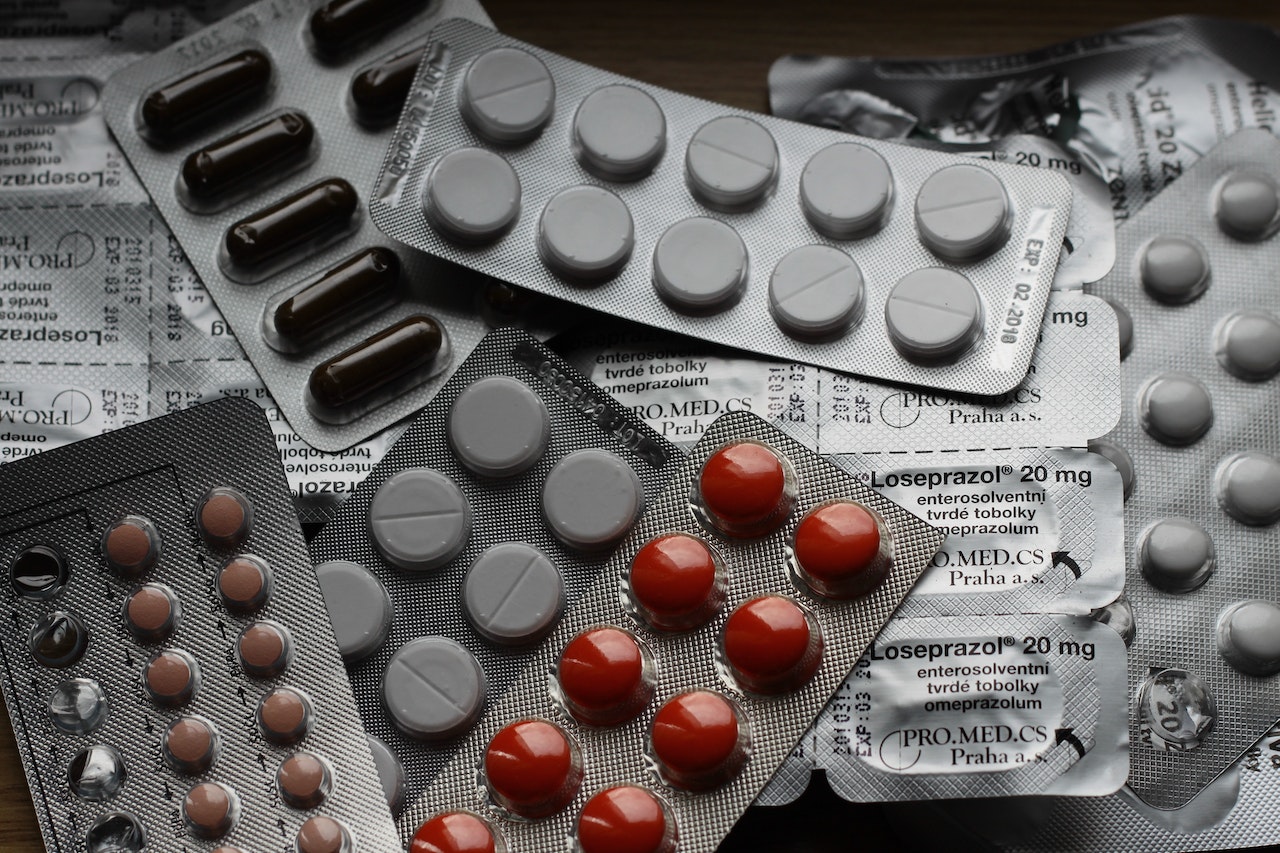
An overview of pharmacies where you can buy medicines in different countries
Medicines are available almost everywhere today. However, pharmacies can differ from country to country in terms of services, prices and other factors. Here is an overview of pharmacies in several countries to help you make an informed choice.
In the United States, pharmacies are an important part of the healthcare system. They offer a wide range of medicines, including prescription and over-the-counter products, as well as services such as pharmacist consultations, discounts and delivery. Some pharmacies are open 24/7.
In the United Kingdom, many pharmacies provide services through the National Health Service (NHS). These may include prescription dispensing, over-the-counter medicines, consultations, delivery and other pharmacy services.
In France, pharmacies operate within the healthcare system linked to «Sécurité Sociale». Sécurité Sociale is France’s social security system, which helps cover healthcare services and prescription medicines.
In India, the pharmaceutical sector is regulated by the «Department of Pharmaceuticals». The Department of Pharmaceuticals is a government body that oversees pharmaceutical policy and the medicines market.
Tips for keeping medicines safe while travelling
Travelling can be exciting and adventurous, but if you take medication, you need to follow a few rules to keep it safe and effective.
First, make sure you have enough medication to last for your entire trip. Allow extra time in case of delays or difficulties obtaining refills.
Second, keep your medicines in a dedicated travel medication case. This will help you store them safely and avoid mixing them up.
Third, keep your medication in the bag you carry with you.
Fourth, store medicines correctly. For example, make sure their packaging is intact and that they have not passed their expiration date.