A genuine souvenir preserves not only memories of a trip but also a piece of local culture. You are more likely to find one at a traditional market, craft fair, or family-run bazaar than in a hotel gift shop. There, you can meet the maker, learn the story behind an item, and see how ceramics, textiles, jewellery, or wooden utensils are created. However, popular markets are also filled with factory-made imitations, so it helps to know reliable places and the signs of authentic craftsmanship.
How to Spot a Genuine Souvenir
Handmade items are rarely perfectly uniform. Small variations in a pattern, glaze shade, seam shape, or carving usually indicate that an item was not made on an automated production line. Defects that affect durability, however, should not be mistaken for authenticity.
- Ask the seller where and by whom the item was made.
- Find out the meaning of the ornament and the features of the local technique.
- Compare similar items at several stalls.
- Check the material, seams, fastenings, and the maker’s signature or stamp.
- Avoid items with identical designs and factory packaging that provides no information about the producer.
A skilled craftsperson will usually be happy to talk about their work, show photos of the workshop, or demonstrate individual stages of production. It is also useful to research the typical price range in advance: an unusually low price often points to mass-produced imports.
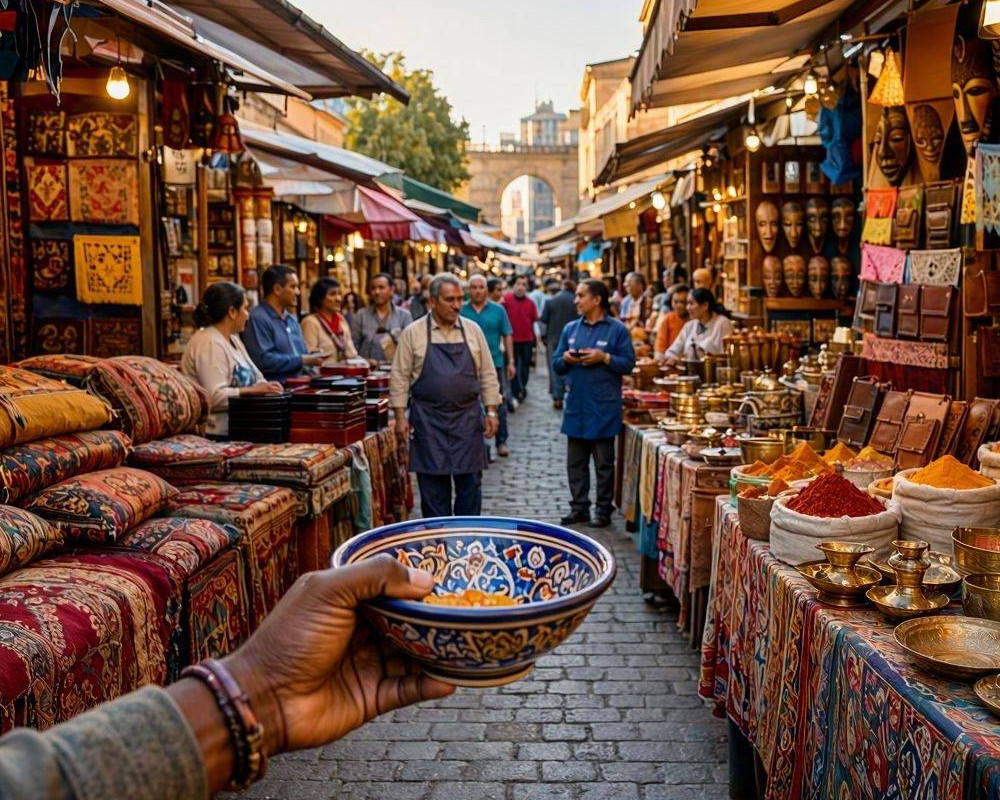
The Best Markets in Europe and the Middle East
Grand Bazaar in Istanbul
One of the world’s largest covered markets is known for carpets, copperware, lamps, leather goods, and ceramics. For authentic pieces, look for small specialist workshops away from the main walkways. When buying a carpet, ask about its region of origin, fibre composition, and dyeing method. Quality Turkish ceramics feature crisp decoration, rich colours, and a neatly finished base.
Markets of Marrakesh
The maze-like Moroccan souks sell Berber rugs, woven baskets, thuya wood goods, brass trays, and leather bags. The most interesting areas are often those where craftspeople of the same trade work side by side. Natural leather has a distinctive texture and does not smell strongly of chemicals, while hand-hammered metalwork stands out through the depth of its individual lines. Before buying antiques, check the rules for taking them out of the country.
Germany’s Christmas Markets
The seasonal markets of Nuremberg, Dresden, and smaller Saxon towns are ideal for finding wooden toys, candle holders, Christmas decorations, and ceramic mugs. Pieces made by craftspeople from the Ore Mountains are especially valued. They often bear the workshop name, production region, and the type of wood used. Locally made souvenirs cost more than mass-produced alternatives, but they also last much longer.
Authentic Finds in Asia
Popular articles
Vottovaara: Karelia’s Place of Power Tourist Season 2020: When Does It Open and What Are the Prospects?Nishiki Market in Kyoto
Nishiki Market is a good place to find Japanese knives, chopsticks, tea ware, fans, and textiles. For an expensive knife, the forge brand, steel type, and care recommendations are important. Look for ceramics in shops that work with workshops in Kyoto and neighbouring prefectures. A slight asymmetry in a bowl may be part of its aesthetic rather than a flaw.
Taiwan’s Night Markets
Taipei’s night markets are best known for food, but they also offer work by young designers, traditional seals, tea accessories, and fabric bags. The best selection of handmade goods can be found at dedicated craft fairs and cultural centres. Before buying tea, ask for a tasting and find out where it was harvested, the season, and how the leaves were processed.
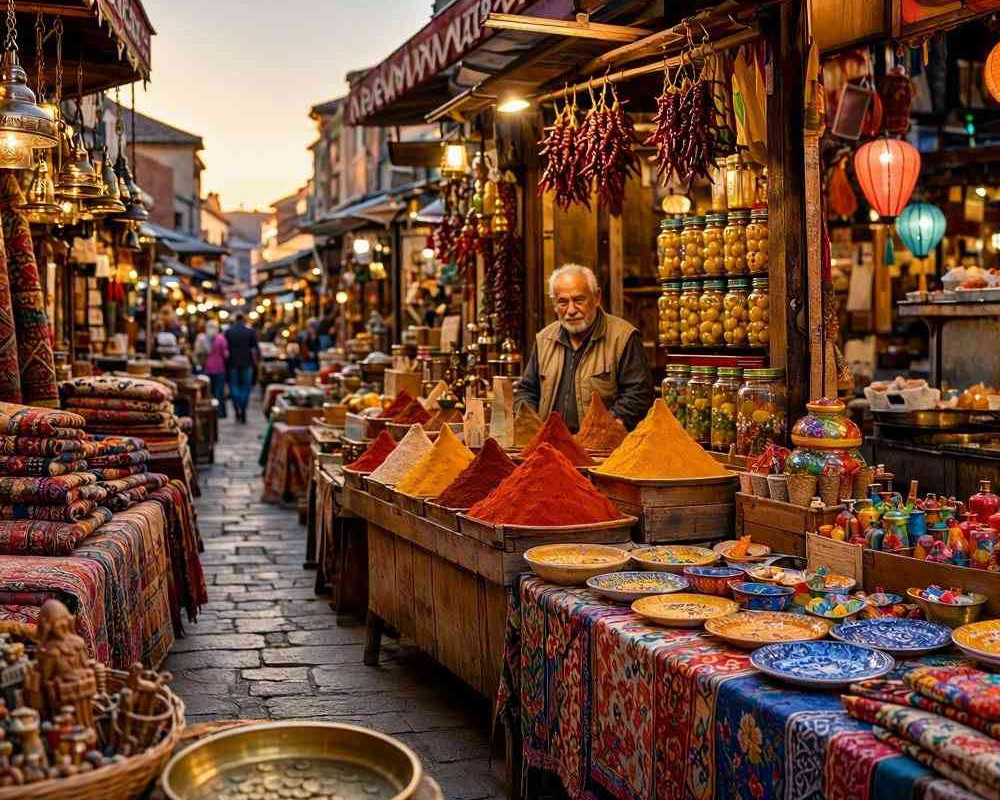
Craft Markets in Latin America
Oaxaca, Mexico
Oaxaca is famous for painted wooden figures, black pottery, embroidery, and wool rugs. Authentic items are best bought at the city’s craft markets or directly in nearby villages. The maker can explain the symbolism of the design and the origin of the dyes. When buying textiles, check the reverse side: hand weaving and embroidery leave distinctive yet neat thread transitions.
How to Bargain Respectfully
At Middle Eastern bazaars, bargaining is often part of the social exchange, but there is no need to push aggressively for a lower price. Show interest in the item first, ask questions, and then offer a reasonable amount. Discounts are more likely when buying several items. At workshops, social cooperatives, and European craft fairs, prices are usually fixed, and bargaining may seem inappropriate.
- Explore the entire market before making your first purchase.
- Confirm the currency and available payment methods.
- Ask for a receipt or certificate for an expensive item.
- Check restrictions on exporting wood, coral, shells, and antiques.
- Make sure fragile items are securely packed.
A Thoughtful Choice Instead of an Impulse Buy
The best souvenir is connected to its place of origin, made in a transparent way, and bought from someone who knows its story. By supporting workshops, family-run shops, and craft cooperatives, travellers help preserve traditional skills. Take your time, talk to sellers, and choose an item you will genuinely use or treasure after returning home.