The underwater world attracts travelers just as much as famous cities, mountains, and historical landmarks. Coral reefs, colorful fish, sea turtles, rays, and unique underwater landscapes offer a glimpse into a completely different side of the planet. There are two popular ways to explore this world: snorkeling and diving.
Snorkeling is suitable for almost anyone who is comfortable in the water. Diving allows you to go much deeper and explore areas inaccessible from the surface. Choosing the right destination is crucial, as water clarity, temperature, reef health, and marine life diversity vary significantly across different regions of the world.
The difference between snorkeling and diving
When snorkeling, you stay near the water's surface using a mask, snorkel, and fins. This allows you to observe corals and marine life without needing a specialized diving course.
Diving involves using a compressed air tank and specialized equipment. It allows you to stay underwater longer and explore deeper areas. Independent diving requires proper training and certification, although beginners can try introductory dives with an instructor.
Egypt: The Red Sea
The Red Sea is considered one of the most famous destinations for underwater activities. The areas of Hurghada, Sharm El Sheikh, and Marsa Alam offer a wide range of diving centers and snorkeling spots.
Here, you can see coral reefs, tropical fish, moray eels, sea turtles, and other marine life.
Clear water and a relatively warm climate make the region a popular destination almost year-round.
Areas where reefs are located close to the shore are particularly convenient for beginners. Experienced divers can opt for deeper sites and organized marine excursions.
The Maldives
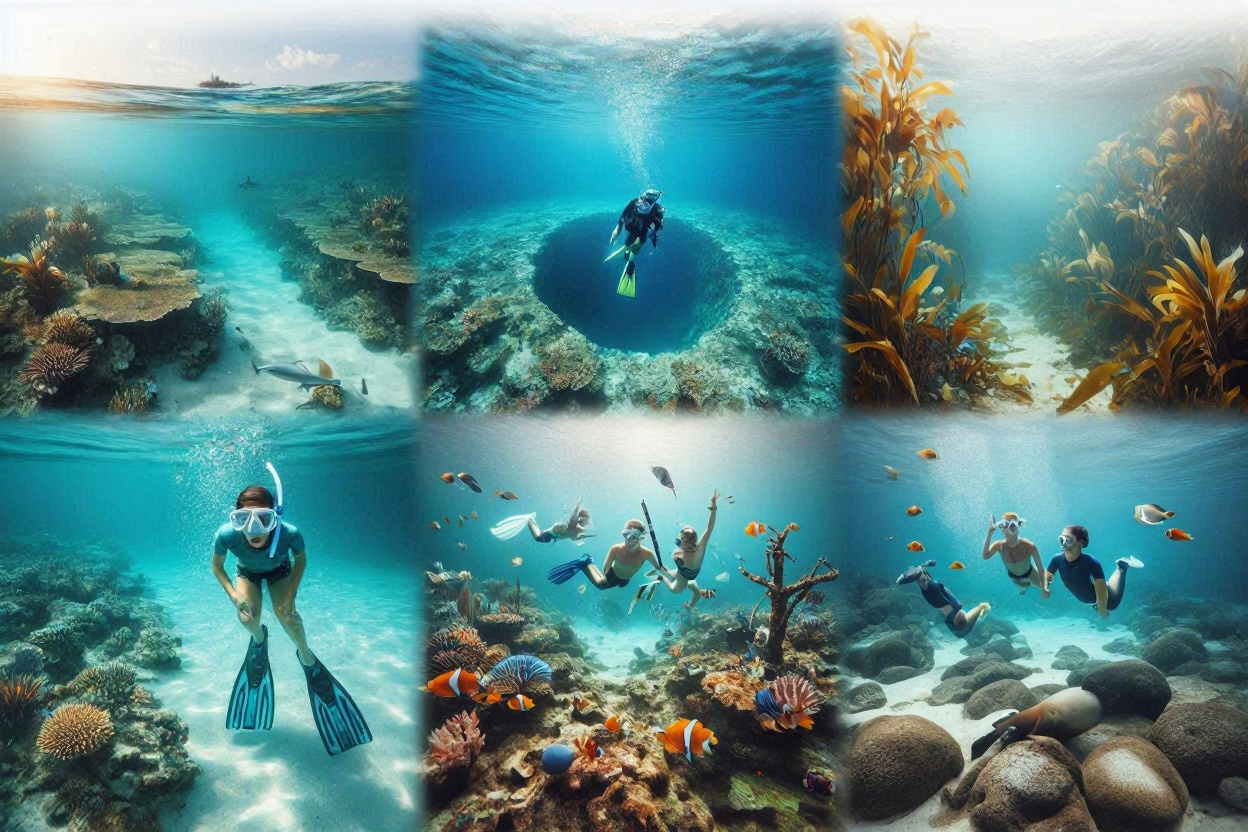
The Maldives are renowned not only for their beaches and lagoons but also for their rich underwater life. Many resorts are situated near coral reefs, so snorkeling often requires nothing more than stepping into the water right off the beach.
During dives, you might encounter rays, sea turtles, reef sharks, and a multitude of tropical fish species. Specific conditions vary by atoll and season, so it is worth choosing your accommodation based on the underwater sights that interest you most.
The Great Barrier Reef
Located off the coast of Australia, the Great Barrier Reef is one of the planet's most famous marine natural wonders. Both excursions for beginners and comprehensive diving programs are available here.
Snorkeling allows you to observe coral communities from the surface, while diving grants access to the reef's deeper sections. When choosing an excursion, it is important to consider the season, weather conditions, and regulations designed to protect the marine ecosystem.
Indonesia
Indonesia offers a vast array of underwater landscapes. Bali, Komodo, and especially the archipelago's remote regions attract divers with their rich marine life.
Some locations are suitable for leisurely snorkeling, while others are known for strong currents and require more experience. Therefore, beginners should start at sites recommended by local instructors.
Hawaii
The Hawaiian Islands are ideal for travelers wishing to combine a beach vacation with underwater adventures. At some locations, you can snorkel right off the shore, observing tropical fish and sea turtles.
Underwater lava formations, reefs, and other unique landscapes are available for diving. However, it is essential to check weather and ocean conditions before heading out.
Choosing a location for your first dive
Beginners do not need to head straight to deep-water dive sites. It is better to choose a location with good visibility, calm conditions, and an experienced instructor.
- Check the season and weather conditions.
- Choose a certified dive center.
- Calm locations without strong currents are preferable for a first experience.
- Check if equipment is included in the tour price.
- Do not touch corals or marine animals.
- Follow the guide's instructions and the rules of the specific reserve.
Why snorkeling can be a great start
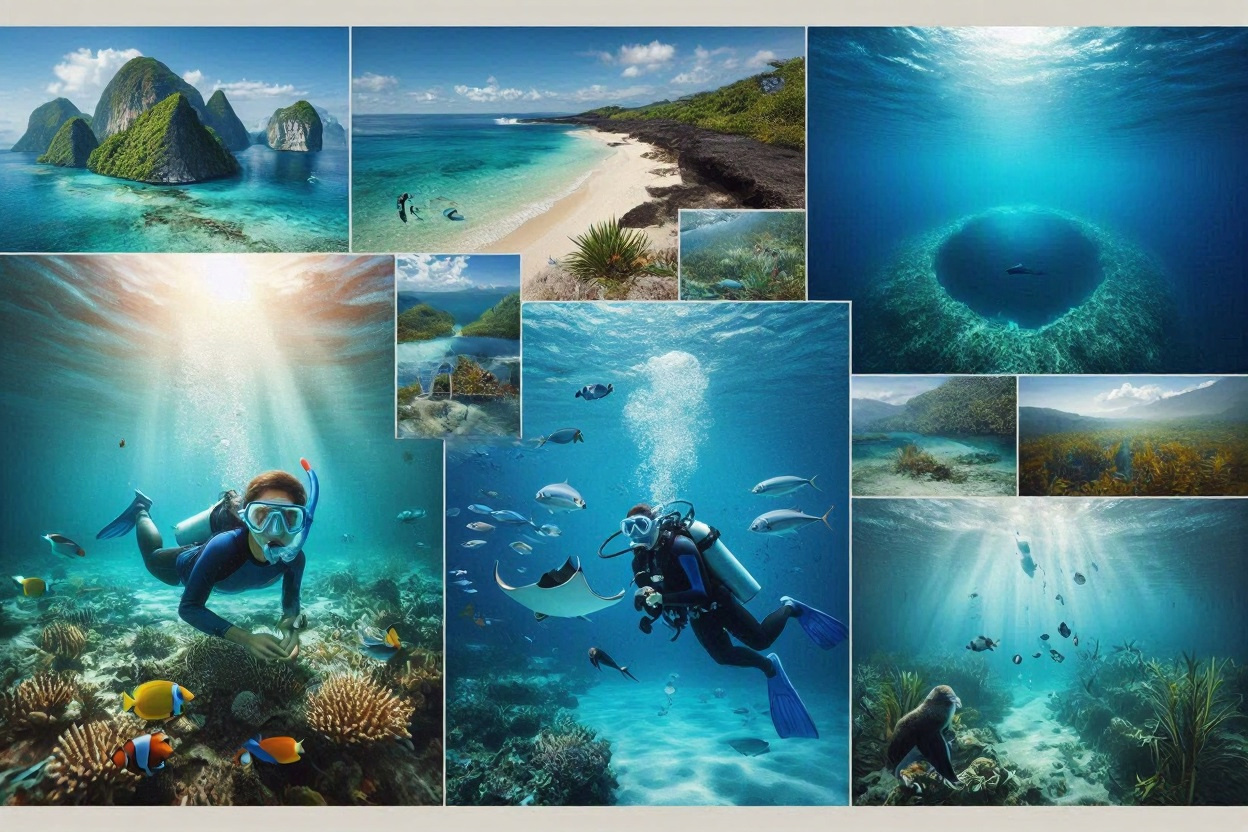
Snorkeling does not require extensive training and allows you to quickly gauge how comfortable you feel in the water. This is particularly convenient for families and travelers who do not wish to commit several days to a full diving course.
With good visibility, one can spot an impressive amount of marine life even from the surface. And if the experience proves enjoyable, snorkeling can serve as a first step toward full scuba diving training.
Safety First
Underwater excursions require a careful approach to safety. One should not overestimate one's abilities, especially in the presence of waves, currents, or poor visibility. Divers must adhere to diving protocols and closely monitor their air supply.
Furthermore, respecting the marine environment is crucial. One should not feed the wildlife, damage corals, or take shells and other natural objects as souvenirs.
Conclusion
Diving and snorkeling offer a unique perspective on the world. The Red Sea, the Maldives, the Great Barrier Reef, Indonesia, and Hawaii offer diverse conditions and experiences—ranging from simple shore dives to challenging routes for experienced divers.
The key is to choose a destination that matches your experience level, consider seasonal conditions, and observe safety rules. That way, exploring the underwater world becomes not only an exciting adventure but also an opportunity to witness marine ecosystems that cannot be fully appreciated from the shore.