Derbent is one of the few surviving cities where you can step into a time machine and travel back thousands of years! Its history has never been interrupted, unfolding in an intricate and mysterious Eastern fashion. It is also a warm, colourful city that holds thousands of legends—safe, welcoming and wonderfully authentic in its ancient character. Vun atuy, rag atuy! Khvashkeldi—this is how Dagestan welcomes visitors from afar. Welcome to ancient Derbent!

What Derbent’s Treasure Trove Holds
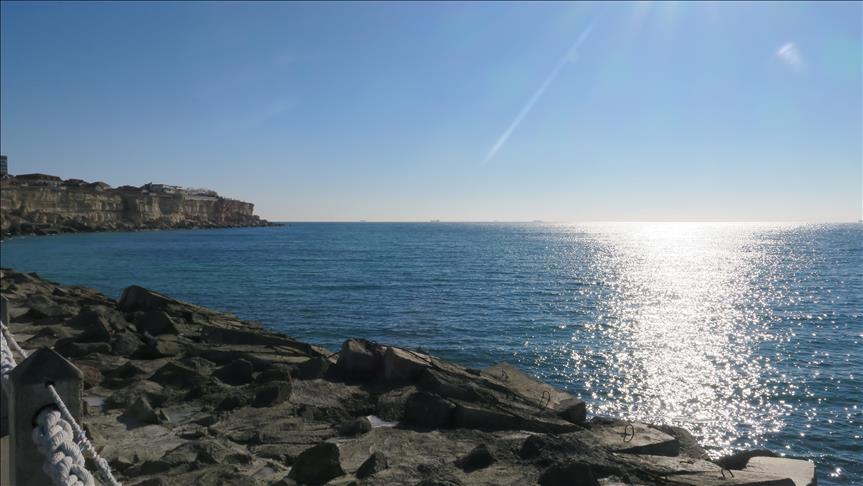
Remarkably, ancient Derbent is not an exhibit behind museum glass or the subject of archaeologists’ essays—it is a living reality. Here, you can literally see antiquity, touch it with your hands and taste it in dishes prepared from recipes more than a thousand years old; feel the rough stone of old houses; and admire the timeless, tranquil Caspian Sea beneath the blazing sun.
Here are Derbent’s most remarkable sights.
• Naryn-Kala Fortress
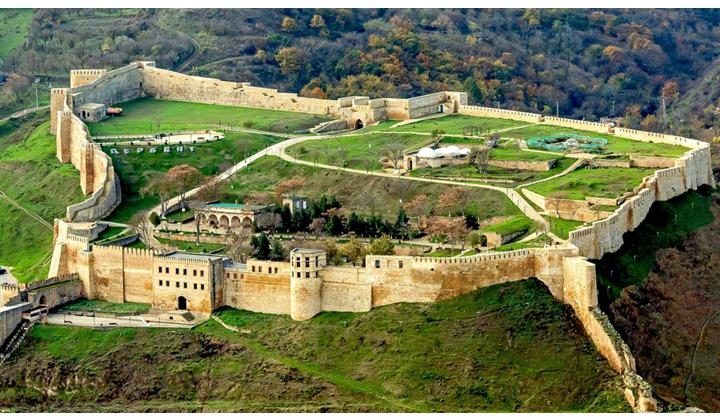
This is Derbent’s architectural landmark: the very “closed gates” that gave the city its name. The fortress was built in the 6th century and, although it was repeatedly rebuilt, has been superbly preserved and is open to visitors. Its grounds contain many structures, including the Khan’s Palace, a bathhouse, a dungeon, fortress walls and gates. It is a fascinating, authentic place that offers a vivid glimpse of life in the East over many centuries.
• Lighthouse
The working lighthouse on the Caspian Sea is an architectural monument. One of Derbent’s newer structures, it has already become a symbol of the city. The lighthouse was built in the 19th century and stands 18 metres high.

• Kırklar Cemetery
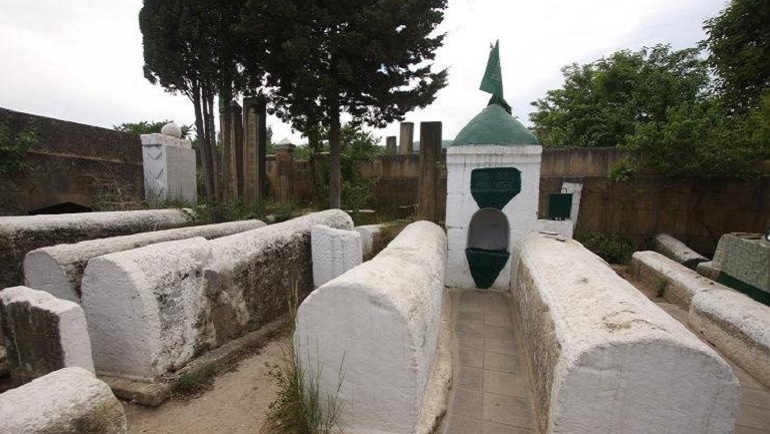
Kırklar means “forty”—the forty Arab warriors who fell for Derbent’s freedom and independence as early as the 6th century. What makes it especially interesting is that the burials are not hidden deep underground: stone sarcophagi stand in rows across a small area. Visitors can touch the ancient stone, try to decipher the Old Arabic inscriptions and examine the patterns.
• Carpet Museum
Like many Eastern cities, Derbent is renowned for its decorative arts. The museum holds carpets woven one and two hundred years ago. Dagestani carpets are more than home decorations: they tell stories of military feats and unhappy love, myths of foolish rich men and clever poor people, reverence for higher powers and gratitude to ancestors—all captured in intricate patterns of coloured thread.

• Magals
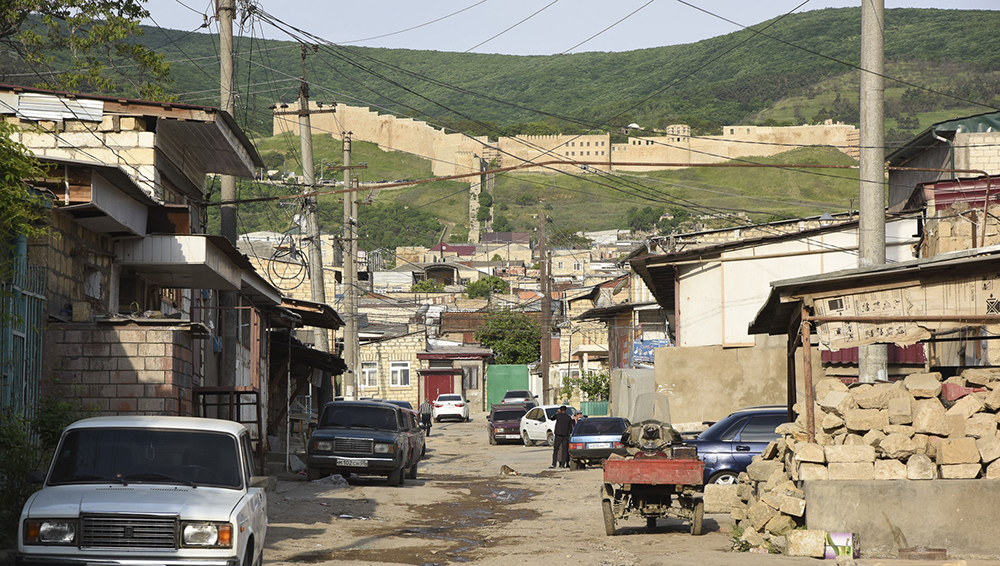
Magals are the old neighbourhoods of the historic centre. Time seems to have stood still here. Wandering their lanes, trying to guess the era of each building, breathing in the scent of dusty Derbent and seeing the everyday life of local Dagestanis is an invaluable part of getting to know the republic.
Derbent’s churches and mosques are also worth visiting, offering a chance to see how different religions coexist peacefully in one city.
A Few Words About the Trip
Popular articles
Tourist Season 2020: When Does It Open and What Are the Prospects? Japan’s Lesser-Known and Fascinating IslandsIt is always useful and interesting to learn a few practical details about an upcoming journey. It will not diminish the excitement of discovering somewhere new, but it can make planning much easier.
Exploring Derbent: Independently or on a Guided Tour?
Independent travel is wonderful, but Derbent is best explored with a guide. Dagestan may be fascinating, but it is relatively compact, and Derbent itself can be seen in a single day. Many travellers choose to visit as many cities and republics of the Caucasus as possible on one tour—it is convenient, just as informative, and far less expensive than a trip focused solely on Derbent. Without a guide, you might also pass genuinely valuable sights without even realising what you have seen.
Did you know? Derbent has more than 15 names in different languages of the North Caucasus. Alongside variations of its main name, there are also the unusual-sounding Tsal, Chur, Tsali and Chyali!
A guide is also a translator, guardian, driver, adviser and a source of encyclopaedic knowledge—a true companion on your journey into Dagestan.
When to Visit Dagestan
Dagestan is beautiful in any weather, but its hot climate should be taken into account: summer days can bring unbearable heat. February is the coldest and windiest month. The beach season runs from May through September or October.
Good to know: the Caspian Sea warms up quickly, and by mid-summer the water temperature reaches 27°C!
If you want to explore old Derbent as fully as possible without being distracted by the weather, choose late spring or autumn for your trip.
Souvenirs and Gifts
In Derbent, it is almost impossible to resist buying something to remember your trip by. Eastern market sellers know how to persuade, and the souvenirs and treats are a source of local pride—made only here!
Dagestani gifts for every taste:
- burkas and papakhas—after even one day in Derbent, many men are tempted by the idea of proudly wearing such an impressive hat;
- knives, swords, daggers and blades—some edged weapons are labelled as “souvenirs,” while others are genuine;
- silverware—the masters of Kubachi are famous throughout the Caucasus;
- brandy—Derbent is home to an historic brandy factory with more than a century of history;
- Balkhar ceramics—traditional handmade plates and jugs will always remind you of the trip!
Do not forget dried fruit, nuts and delicious walnut jam. The walnuts are picked while still green and cooked using old recipes—every village has its own secrets! Derbent’s national cuisine can transform your idea of food and what truly tastes good. Visitors take home suitcases full of spices, sauces and local delicacies, as well as hundreds of photographs of unusual dish presentations and recipes.
Safety in Dagestan
Dagestan has made significant progress in tourism: visitors to the republic can feel confident about their health and belongings. It is safe, friendly and respectful. According to statistics, Dagestan—and Derbent in particular—ranks among the ten safest regions in Russia. Theft, fraud and deception are rare here, owing to local customs and religious values.
That said, it is still worth keeping a few points in mind:
- respect local culture and social traditions, including recommendations on dress when visiting Muslim communities and the republics of the Caucasus;
- the farther you travel from a major city, the more modest your clothing and behaviour should be.
In other words, avoid deliberately provocative behaviour, heavy makeup, exposed shoulders and knees for women, and harmful habits when visiting the Caucasus. Derbent is a pleasant exception in this respect: as a major tourist centre and seaside resort, it is fairly welcoming towards visitors. Still, why show disrespect in a city where you are a guest?
What will Derbent offer its visitors? A complete immersion in centuries of history, unusual flavours, a sense of close-knit community and a sea of unforgettable impressions! It will be a wonderful journey to an ancient and glorious city!