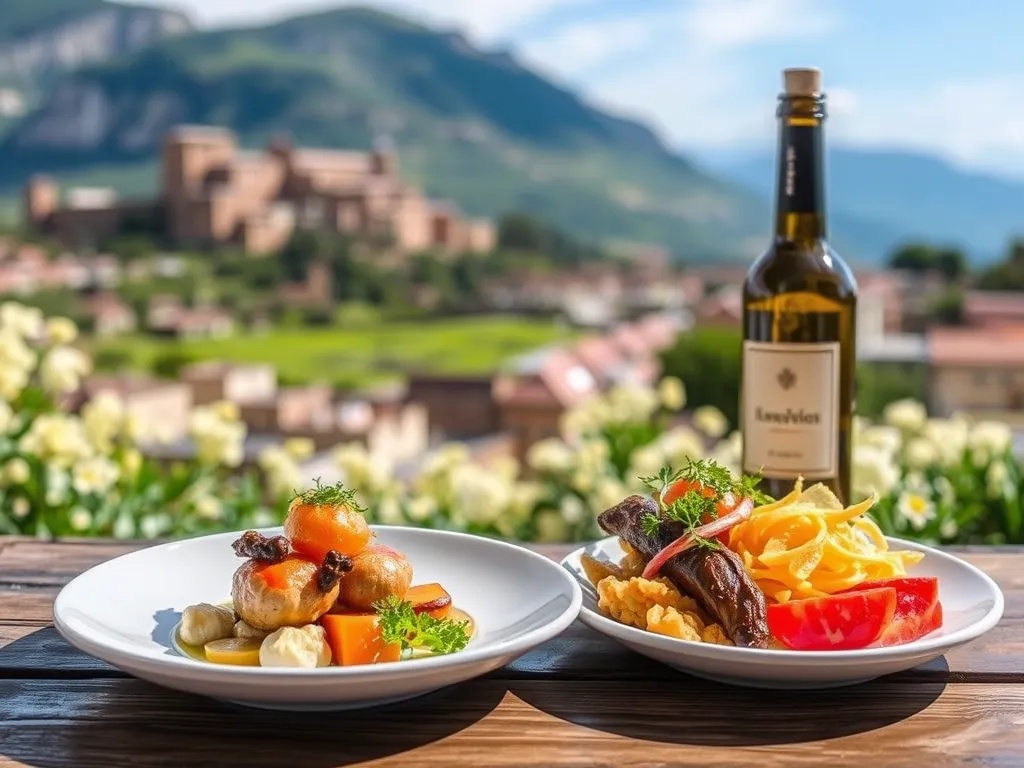
Gastronomic tourism has become one of the most popular forms of modern travel. It is more than simply tasting dishes in restaurants: it is a complete immersion in a region’s culinary culture, traditions, history, and the people who create its distinctive flavours. This type of holiday lets you discover a country through its cuisine and enjoy unforgettable experiences.
What Is Gastronomic Tourism?
Gastronomic tourism involves travelling to explore national cuisines, local produce, and culinary traditions. It may include visiting farms and wineries, taking traditional cooking classes, or enjoying tastings at authentic local establishments.
The defining feature of this kind of travel is that food becomes more than a way to satisfy hunger: it becomes a tool for understanding culture. Through local cuisine, travellers learn about a region’s history, climate, agricultural traditions, and the lifestyle of its people.
Popular Destinations for Culinary Travel
Italy: Home of Mediterranean Cuisine
Italy is considered a mecca for gastronomic tourism. Every region of the country offers its own distinctive dishes and products. In Tuscany, you can enjoy olive oil and Chianti wines; in Emilia-Romagna, taste authentic Parmigiano Reggiano and balsamic vinegar from Modena; and in Naples, sample authentic pizza.
Many tour operators organise dedicated culinary tours across Italy’s regions, including visits to family-run trattorias and wineries, as well as cooking classes led by local chefs.
France: The Art of Fine Cuisine
The gastronomic meal of the French is included on UNESCO’s Intangible Cultural Heritage list. Paris, Lyon, Provence, and Bordeaux offer travellers countless culinary routes. Wine tours in Bordeaux and Burgundy, visits to cheese dairies in Normandy, and truffle tastings in Provence — all of this makes France an ideal destination for food lovers.
Spain: A Diversity of Flavours and Traditions
Spanish cuisine is remarkably diverse. Basque cuisine is considered among the best in the world, Catalonia is renowned for its seafood, and Andalusia for its tapas culture. Visiting La Boqueria Market in Barcelona or San Miguel Market in Madrid offers a taste of authentic Spanish culinary culture.
Asian Destinations
Thailand, Vietnam, Japan, and China offer entirely different culinary experiences. Street food in Bangkok, sushi in Tokyo, and pho in Vietnam — every country reveals a unique world of flavours. Many travellers visit cooking schools in Asia specifically to learn how to prepare traditional dishes.
Types of Gastronomic Travel
Wine Tours
Wine tourism is a distinct branch of gastronomic travel. Visiting vineyards, tasting wines in cellars, and learning about the winemaking process attracts millions of travellers every year. Popular wine regions include:
- Napa Valley in California
- Tuscany and Piedmont in Italy
- Rioja in Spain
- Bordeaux and Burgundy in France
- Portugal’s Douro Valley
- Regions of Australia and New Zealand
Cooking Classes
Taking part in cooking classes allows you not only to taste local cuisine but also to learn how to prepare traditional dishes yourself. This could mean making pasta in an Italian village, baking croissants in Paris, or mastering the art of sushi-making in Tokyo.
Popular articles
Vottovaara: Karelia’s Place of Power Tourist Season 2020: When Does It Open and What Are the Prospects?Farm Tours
Visiting farms offers an opportunity to see where food comes from and understand the philosophy behind sustainable production. Many farms organise tastings of their products and offer accommodation for travellers.
Food Festivals
Planning a trip around a food festival allows you to immerse yourself fully in local culture. Truffle festivals in Italy, tomato celebrations in Spain, and oyster festivals in France — all these events attract thousands of culinary travellers.
Benefits of Gastronomic Travel
Gastronomic tourism offers many advantages over a typical holiday. First, it is a unique way to discover culture through the most accessible and universal language: the language of food. Second, these trips help support local communities and small businesses.
In addition, culinary tours often include meeting local people, making the journey more authentic and memorable. Travellers gain not only a collection of impressions but also practical skills they can use at home.
How to Organise a Gastronomic Journey
Planning Your Itinerary
When planning a culinary tour, it is important to consider the seasonality of ingredients and dishes. For example, truffle season in Italy falls in autumn and winter, while fresh seafood is best enjoyed in coastal regions during summer.

Choosing Between Group and Independent Travel
Group tours are convenient for beginners, offering a ready-made itinerary with a professional guide. Independent travel provides more freedom in choosing places and timing, but requires careful preparation and language skills.
Travel Budget
Gastronomic tourism can be either budget-friendly or luxurious. Visiting street markets and affordable family-run restaurants makes it possible to explore local cuisine without major expense, while dining at Michelin-starred restaurants and taking exclusive wine tours requires a substantial budget.
Gastronomic Tourism in Russia
Russia’s culinary culture also attracts travellers. The Golden Ring, with its mead and traditional Russian dishes; Kamchatka, with its unique seafood; and the Caucasus, with its rich culinary traditions — all these destinations are developing gastronomic tourism.
Many regions of Russia are beginning to recognise the potential of their cuisine and are creating dedicated routes for food lovers, including visits to local producers, farms, and restaurants serving regional dishes.
Conclusion
Gastronomic travel is more than a fashionable trend: it is a meaningful way to discover the world through its culinary traditions. This type of holiday enriches not only your palate but also broadens your cultural horizons, creates unforgettable memories, and helps you connect with local communities. When planning your next journey, be sure to include some culinary discoveries in your itinerary — they will make your holiday truly special and rewarding.