Hot springs are a unique natural phenomenon that has attracted people from around the world for thousands of years. Soaking in warm mineral-rich waters amid beautiful scenery offers not only unforgettable sensations but also potential health benefits. From Iceland’s snow-covered peaks to the tropical rainforests of Costa Rica, thermal springs offer an ideal blend of relaxation and connection with nature.
What Hot Springs Are and How They Form
Hot springs are formed by the Earth’s geothermal activity. Groundwater is heated by magma or hot rocks deep underground, then rises to the surface through cracks in the Earth’s crust. The temperature of these springs can range from a comfortable 37°C to a scalding 100°C.
The mineral composition of each spring is unique and depends on the geological characteristics of the area. The waters may contain sulphur, calcium, magnesium, sodium, and other elements that can benefit the skin, joints, and overall wellbeing.
The World’s Most Impressive Hot Springs
Blue Lagoon, Iceland
The Blue Lagoon is one of the world’s best-known geothermal bathing destinations. Located in a lava field on the Reykjanes Peninsula, this man-made lagoon is supplied with water from a nearby geothermal power plant. Its milky-blue waters are rich in silica and sulphur, making them popular for skincare.
The contrast between water at around 39°C and the chilly Icelandic air creates a truly magical atmosphere. Bathing in the lagoon is especially unforgettable in winter, when you may be able to watch the Northern Lights while immersed up to your neck in warm water.
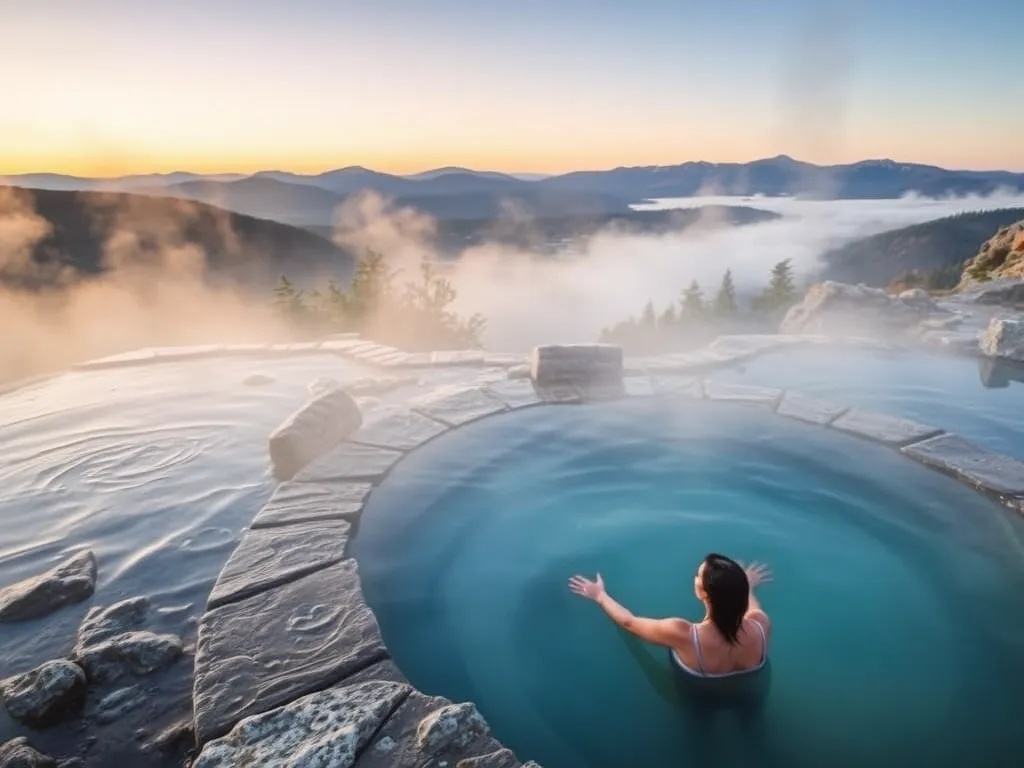
Japan’s Onsen
Japan is famous for its onsen—traditional hot springs, with more than 27,000 recorded across the country. Bathing in an onsen is an important part of Japanese culture and a ritual of cleansing both body and spirit.
Particularly popular destinations include:
- Hakone — a resort area near Mount Fuji with views of the famous volcano
- Beppu — a city on Kyushu Island with eight different types of hot springs
- Nozawa Onsen — a mountain village where you can combine hot-spring bathing with skiing
- Kusatsu Onsen — one of Japan’s oldest resorts, with the country’s largest volume of naturally flowing hot spring water
Pamukkale, Türkiye
Pamukkale, meaning “cotton castle,” is a cascade of snow-white travertine terraces formed by mineral deposits from hot springs. This UNESCO World Heritage Site attracts millions of visitors with its fairytale beauty.
Pamukkale’s thermal waters have been used for therapeutic purposes for thousands of years. The ancient city of Hierapolis, whose ruins stand above the terraces, was founded as a thermal spa resort as early as the 2nd century BC.
Banff Hot Springs, Canada
In the heart of the Canadian Rockies lies Banff, the country’s oldest national park. The Upper Hot Springs are located at an elevation of 1,585 metres above sea level and are surrounded by majestic mountain peaks.
Popular articles
Vottovaara: Karelia’s Place of Power Tourist Season 2020: When Does It Open and What Are the Prospects?Bathing in these springs is particularly impressive in winter, when snow covers the landscape and you can enjoy water at around 40°C. Panoramic mountain views make this a truly unforgettable place.
Botan River, Türkiye
The Botan River flows through southeastern Türkiye, passing through dramatic mountain landscapes and deep canyons.
The Therapeutic Properties of Thermal Waters
Bathing in hot springs is not only enjoyable but can also be a form of balneotherapy. Thermal waters may have a range of positive effects on the body:
- Improved circulation: warm water dilates blood vessels, increasing blood flow to organs and tissues
- Muscle relaxation: heat can help relieve muscle tension and reduce joint discomfort
- Relaxation and recovery: soaking in warm water can help the body unwind after physical activity
- Skin care: minerals in the water may support the skin and can be soothing for some skin concerns
- Reduced stress: the combination of warm water, nature, and quiet creates ideal conditions for relaxation
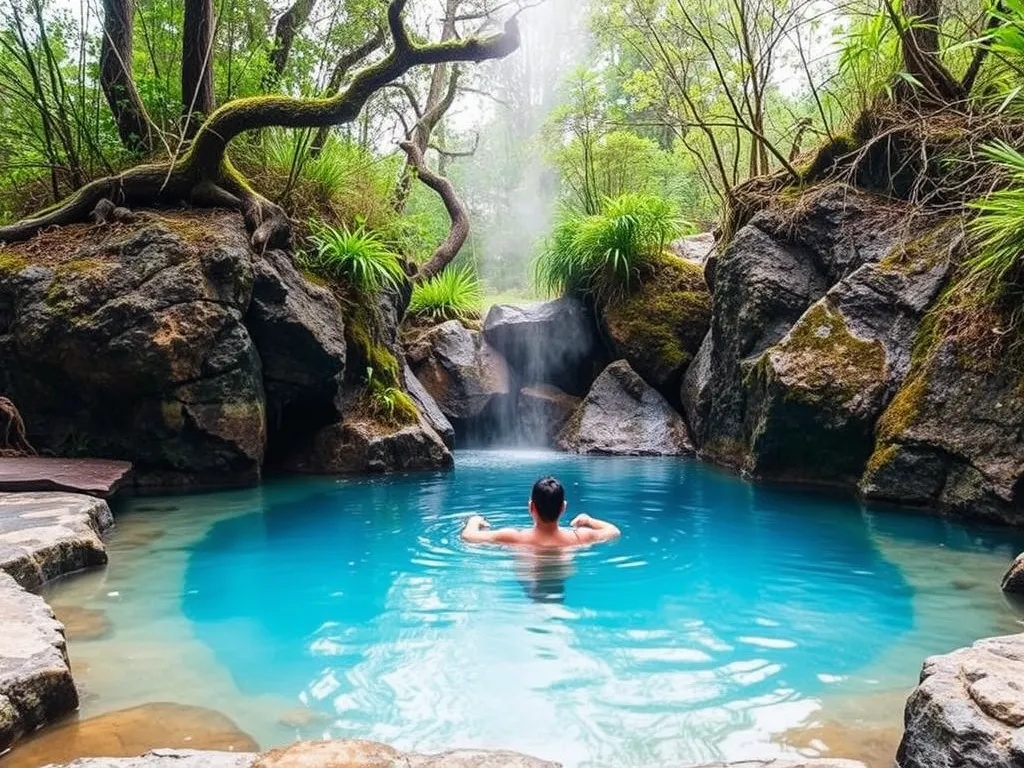
Rules for Visiting Hot Springs
Preparing for a Soak
Before entering thermal water, it is important to follow a few simple rules. Be sure to shower first—this is not only a hygiene requirement but also a way to prepare your body for a sudden temperature change. Enter the water gradually, giving your body time to adjust.
How Long to Stay in the Water
It is recommended to spend no more than 15–20 minutes in hot water per session. Staying in for too long can lead to overheating, dizziness, or dehydration. Take breaks by getting out of the water to cool down and drink some water.
Contraindications
For certain health conditions, bathing in hot springs may not be advisable. Consult a doctor if you have cardiovascular disease, high blood pressure, are pregnant, or have open wounds. Visiting hot springs while under the influence of alcohol is also not recommended.
Environmental Responsibility
Hot springs are fragile ecosystems that require careful treatment. Follow the rules when visiting natural springs: do not use soap or shampoo, do not leave rubbish behind, and respect local flora and fauna. Remember that many springs are sacred places in local cultures.
Conclusion
Hot springs around the world offer a unique opportunity to combine wellbeing with the enjoyment of natural beauty. Whether it is the minimalist elegance of Japanese onsen, Iceland’s fairytale landscapes, or Canada’s majestic mountains, every spring offers its own distinctive experience of relaxation and renewal. When planning your trip, choose a destination that suits your preferences, but do not forget about safety rules and environmental responsibility. Soaking in thermal waters surrounded by wilderness is more than just a holiday—it is an opportunity to reconnect with the earth and find inner harmony.