A holiday is a time to relax and discover new experiences, but unfortunately, travellers are often targeted by scammers. In an unfamiliar country or city, people tend to let their guard down, making them easy targets for criminals. In this article, we’ll cover the most common tourist scams and share practical advice on how to protect yourself and your money while travelling.
Preparing for Your Trip: Safety Starts at Home
Protecting yourself from scams begins well before departure. Proper preparation can prevent many unpleasant situations.
Financial Security
Before travelling, contact your bank to let them know about your trip. This can help prevent your card from being blocked when used abroad. Set up transaction alerts for all card activity so you can immediately spot any charges. Do not carry all your cash and cards in one place—spread them across different locations. Make copies of important documents and keep them separate from the originals; leave copies with relatives or friends at home as well.
Digital Security
Set strong passwords on all your devices and enable two-factor authentication for important accounts. Update antivirus software on your phone and laptop. Download offline maps and essential information so you are not dependent on internet access in critical situations. Save local emergency numbers and the contact details of your embassy or consulate at your destination.
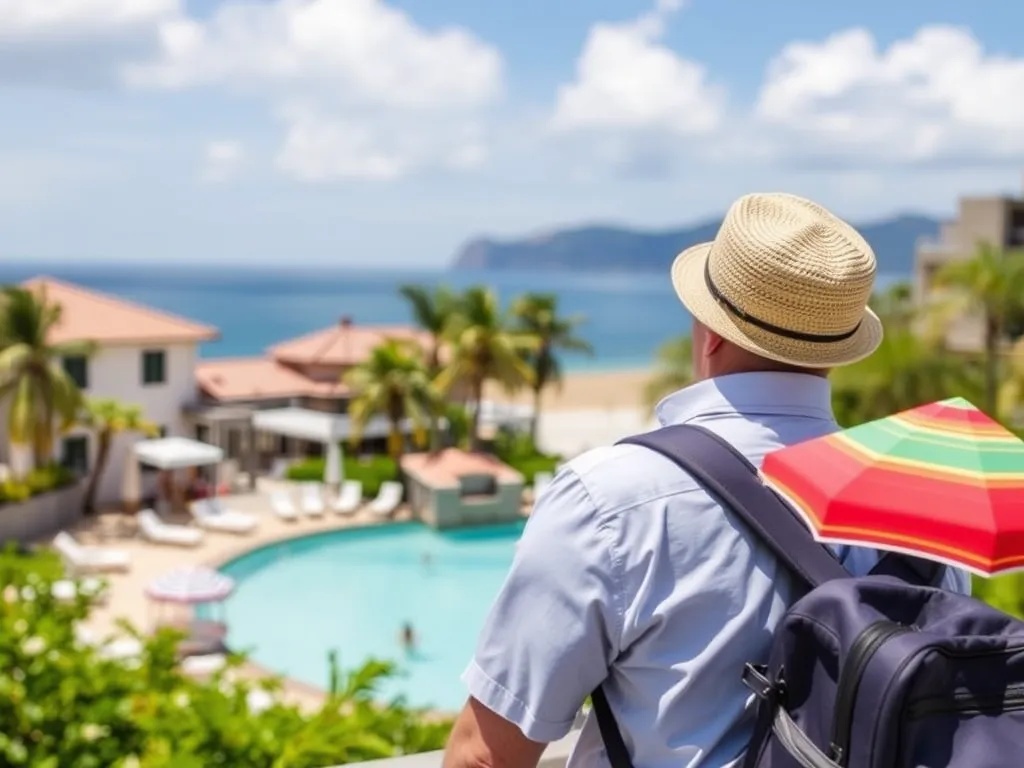
Common Tourist Scams
Street Scams
One of the most common tactics is distraction. While one scammer creates a commotion by spilling something on you or pointing out something interesting, an accomplice steals your belongings. Stay especially alert in crowded places, such as train stations, airports, and tourist areas.
Be wary of overly friendly strangers offering unsolicited help. They may offer to take your photo, then run off with your phone or camera. Fake petition scams are also common: you may be asked to sign for a charitable cause and then pressured to make a cash donation.
Taxis and Transport
Unlicensed taxi drivers often wait for tourists at airports and train stations. They may quote a low fare at first, only to charge several times more at the end of the journey or take unnecessarily long routes. Always book taxis through official apps or taxi ranks. Make sure the meter is running, or agree on the fare in advance.
Fake Tours and Tickets
In tourist cities, you may encounter people selling discounted tickets for tours or museums on the street. These tickets may be fake, or the promised tour may never take place. Buy tickets only from official outlets or trusted websites. Check reviews of tour operators before booking.
ATM and Card Fraud
Skimming involves fitting ATMs with devices that copy your card data. Scammers may also install hidden cameras to record your PIN. Before using an ATM, check it for any suspicious attachments. Cover the keypad with your hand when entering your PIN. Use ATMs inside bank branches rather than those on the street.
Hotel Safety
Choosing Accommodation
When booking accommodation online, use trusted platforms only. Be cautious of suspiciously low prices, as they may be a sign of fraud. Read reviews from other travellers, paying particular attention to recent comments. Never transfer full payment before check-in unless you are using an official platform with buyer protection.
During Your Stay
Always use the safe to store valuables, documents, and large amounts of cash. Do not open the door to strangers, even if they claim to be hotel staff. If necessary, verify their identity with the front desk. Do not leave valuables in plain sight in your room, even when the door is locked.

Internet and Wi-Fi Safety
Public Wi-Fi networks are an attractive target for cybercriminals. Avoid using unsecured networks to access banking apps or enter passwords. If you need to use public Wi-Fi, install a VPN service on your device. Turn off automatic Wi-Fi connection on your phone.
What to Do If You Fall Victim to a Scam
If you are scammed, act quickly and decisively. Block your bank cards immediately by calling your bank. Contact the local police and obtain a copy of the report—you may need it for your insurance provider. Contact your embassy or consulate if your documents have been stolen. Notify your insurance company if you have travel insurance.
Practical Tips for a Safe Holiday
Trust your instincts—if a situation feels suspicious, it probably is. Research common scams in the country you plan to visit. Be particularly alert during the first few days of your trip, while you are still finding your way around. Keep your phone charged and carry a power bank. Avoid displaying expensive electronics and jewellery in public. Learn a few phrases in the local language, including how to ask for help.
Memorise the address and phone number of your hotel or accommodation. Carry only the amount of cash you need. Keep important phone numbers not only on your phone but also written down on paper. Let family or friends know about your movements and plans.
Conclusion
Following simple safety rules can help you avoid unpleasant situations and preserve the best memories of your holiday. Remember, being cautious does not mean being paranoid—it is simply sensible preparation. Stay alert, trust your instincts, and do not hesitate to say no to suspicious people. Good preparation and vigilance are your best allies when travelling. May your holiday be safe and filled only with happy memories!