Exploring cultures through culinary traditions is a wonderful way to immerse yourself in the diversity of global cuisines. Every corner of the planet holds distinctive aromas and flavors, each carrying a piece of local history and culture. With every culinary experiment, we discover new facets of human creativity and taste, broadening our gastronomic horizons.
A journey into the world of cuisine is a path to discovering not only new dishes, but also understanding how people around the world combine ingredients to create true culinary masterpieces. Every culture has its own distinctive cooking traditions, passed down through generations and preserving its historical and cultural heritage.
From refined French desserts to spicy Asian dishes, every cuisine offers something special and unique. Whether breathing in the fragrance of Indian spices or enjoying Argentine asado, we discover new dimensions of culinary art that bring us together through memorable flavors.
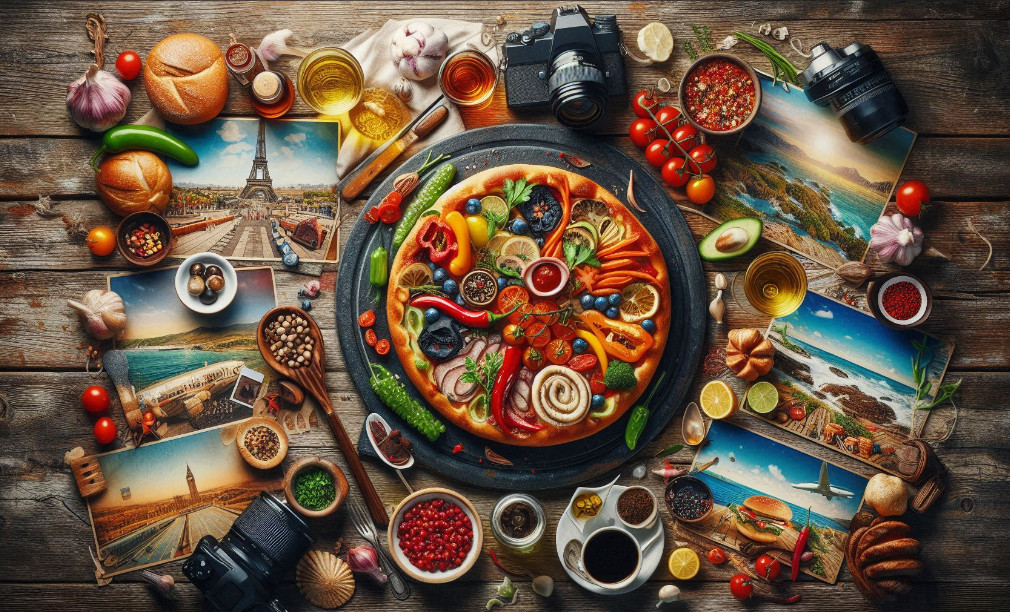
The Global Diversity of Culinary Traditions
In this section, we explore the richness of culinary cultures and the many fascinating perspectives they offer on gastronomic travel. We will look at the distinctive customs and traditions associated with the cuisines of different peoples, as well as a wide variety of dishes and their historical roots.
Examples of culinary traditions by country
| Country | Characteristic of the culinary culture |
|---|---|
| Italy | The use of fresh ingredients in traditional recipes, such as olive oil and tomatoes. |
| Japan | A combination of minimalism and refined flavor, with rice and raw fish playing an important role. |
| Mexico | A vast variety of spicy sauces and the use of corn in numerous dishes. |
Every country has its own culinary identity, often reflecting its history, climate, and cultural traditions. From traditional European bistros to enigmatic Asian markets, the world of gastronomy is full of unexpected discoveries and surprises. Exploring the world's cuisines becomes a true adventure, revealing new flavors and inviting us into local customs through the table and recipes passed down from generation to generation.
Uzbek Cuisine: The Flavor of Eastern Spices
Fragrant plov, delicate samsa pastries, and savory shashlik are all symbols of Uzbek cuisine. The spices used in every dish add distinctive character and depth.
Uzbek cuisine is more than a collection of recipes; it is a true immersion in a world of Eastern aromas and unforgettable flavors. This culinary art expresses the cultural richness of its people and their unique approach to gastronomy.
Herbs and spices play an important role in Uzbek cuisine, highlighting its distinctive qualities and making every dish memorable. They create a harmonious balance of flavors and lend dishes their unmistakable charm.
Getting to know Uzbek cuisine is a journey through a world of Eastern spices, where every dish becomes a genuine discovery.
Italian Cuisine: The Art of Simplicity and Quality
Italian cuisine beautifully embodies the idea of simplicity and exceptional quality in every dish. It is renowned for its refined flavor combinations, use of natural ingredients, and deep respect for tradition. This culinary art has been enriched by years of experience and passed down through generations as something more than simply a way to prepare food.
Principles of Italian Cuisine
The core principles of Italian cooking are based on fresh, high-quality ingredients, a minimal number of components in each dish, and careful adherence to traditional recipes. This approach brings out the flavor of every ingredient and creates harmony in every meal.
Italy's Culinary Regions
- Northern Italy: Rich soups, creamy sauces, and refined meat dishes are especially common here.
- Central Italy: Known for pasta, risotto, and olive oil, all of which highlight the natural flavors of local ingredients.
- Southern Italy: Seafood, red vegetables, and aromatic herbs are especially popular, giving dishes a vibrant Mediterranean character.
Italian cuisine is not merely food, but a true journey through the country's diverse flavors and regional character, where every corner has its own unique culinary traditions.

Japanese Cuisine: A Symphony of Flavors and Elegance
Philosophy and Features
Japanese cuisine is founded on the principles of minimalism and respect for the natural flavors of ingredients. What matters is not only what is prepared, but how it is prepared—with particular attention to the shape, color, and texture of every ingredient.
Traditional Dishes and Their Symbolism
| Sushi | Symbolizes simplicity and the harmony of rice, fish, and nori flavors. |
| Sashimi | Distinguished by its freshness and emphasis on the natural flavor of fish. |
| Tempura | Known for its lightness and the crisp texture of vegetables and seafood in a delicate batter. |
Japanese cuisine not only satisfies, but also inspires with its aesthetics and attention to every detail. It invites you into a unique world of flavors, where every dish is a creation designed to delight not only the palate, but also the eye.