The coronavirus pandemic emerged without warning, yet had devastating consequences in countries around the world. The health crisis also brought an economic crisis and changed the world as we knew it. Here are seven of the most significant changes expected in the travel industry.
People will travel closer to home because of health concerns
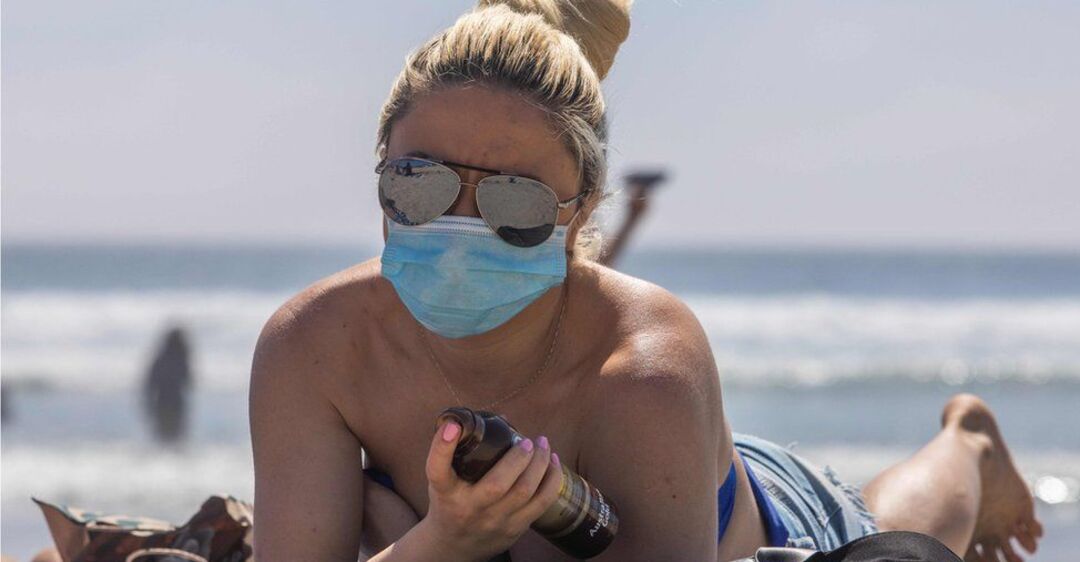
Research shows that most people book hotels within 160 kilometres of where they live and choose domestic trips because of health concerns. This has become one of the more convenient options for travellers. However, those wishing to visit other countries are concerned about health safety conditions abroad. Social distancing rules and health and safety requirements vary from one city to another, so travellers need to keep track of these regulations.
Even as people successfully travel within their own countries, airlines, destinations, hotels and recreation centres are developing standard health and safety measures to demonstrate that they can keep travellers safe during flights and visits.
Fewer passengers may increase the cost of international flights
Affordable international airfares may soon become a thing of the past, as experts believe several factors will affect ticket prices. First, they predict that the effects of the pandemic will make passengers wary of long-distance travel, resulting in fewer people on international flights. Airlines will still need to generate revenue somehow, which means passengers may have to pay considerably more.
Second, if airlines are expected to operate at 50% cabin capacity under proposed social distancing measures, customers will most likely pay twice the usual fare because airlines will need to make up for the empty seats.
However, there is hope that once the pandemic subsides or the world finds a vaccine, travellers will once again be able to enjoy the full travel experience they love and crave.
Airlines will need to balance safe practices and revenue generation
The flight safety practices adopted by many airlines while operating at the height of the pandemic are likely to form the basis for future measures once travel fully recovers.
During the pandemic, some airlines introduced temperature checks and asked passengers to complete health and contact forms, board wearing face masks, increase cleaning during flights and reduce meal services.
Some airlines also limited the number of passengers per flight and blocked certain seats to ensure proper social distancing. However, restricting passenger numbers may prove impractical when more people begin taking domestic and international flights.
There is also a requirement for federal authorities to conduct general health and safety checks at airports before departure and upon arrival. The International Civil Aviation Organization has also introduced certain safety rules for airlines. Among other things, ICAO instructs airlines to encourage passengers to board only with baggage that fits under their seats and to limit visits to toilets during flights.
As everything begins to come together, airlines must strike a balance between making a profit and keeping their passengers safe.

Ships return with shorter cruises, temperature checks and suspended buffets
Popular articles
Vottovaara: Karelia’s Place of Power Tourist Season 2020: When Does It Open and What Are the Prospects?It is very important to understand what cruising will look like when ships return to sea. First, cruise ships will reduce passenger numbers when the cruise industry resumes, and only a few vessels are likely to return at a time. We may also not see new cruise ships being built anytime soon.
Traditional buffet service is expected to be replaced, while temperature checks will become a regular part of the sea travel industry.
It is still unclear how many passengers will be eager to head out to sea in the near future, especially given the scale of outbreaks at sea and the lack of a vaccine. However, cruise company executives expect strong bookings in 2021.
Hotels will prioritise contactless technology and cleaning
Hotels are expected to redesign their lobbies to create more space, introduce more frequent cleaning and make hand sanitiser available at every turn. Hotel managers are likely to limit contact between hotel staff and encourage guests to book rooms and place orders online.
Guests should expect social distancing reminders and fewer activities that bring people into close contact with one another. In line with health-conscious practices, hotels are putting safety first, while key amenities will likely take a back seat for some time.
Guests may see changes involving pools, bars, gyms and restaurants. However, it is not yet clear how far these changes will go. The challenge for hotels is to balance safety measures with guest comfort. Hotels are expected to find this balance difficult, as guests crave exciting experiences, interaction and relaxation, while hotels seek to keep their visitors safe.
Tourist attractions will have smaller crowds and more structured activities
Crowds and visitor numbers at museums, parks and other tourist attractions are expected to be much lower. Some of the world’s largest theme parks have informed visitors about measures they will implement during the pandemic.
These measures include mandatory face masks for visitors, compulsory temperature checks, markers to keep visitors several metres apart, and distancing on rides, seats and in queues. In general, theme parks and other attractions will control visitor numbers.
Major celebrations and mass events will make a cautious return
During the pandemic, we witnessed the postponement or cancellation of major national and international events, including the 2020 Olympic Games and the Cannes Film Festival.
Although there are high hopes that these events will take place in 2021, there is no guarantee that this will be safe, as major events attract a global audience and thousands of people. Even smaller events such as carnivals, festivals, conventions, political rallies and concerts may not be possible under social distancing rules and the safety regulations of different countries.
Holding most major events means welcoming travellers from different countries. Due to uncertainty surrounding the resumption of flights, international travel policies and health screening for mass gatherings, high-profile events may not resume just yet.
Are you ready to follow the new safety rules and requirements on your trips once borders and international travel fully reopen? Have these rules caused you any inconvenience if you have already travelled this year?
Based on materials from: tourism-review.com