A fear of flying shouldn't turn a vacation, a business trip, or a visit to loved ones into a source of constant stress. Aerophobia is more common than you might think: some people fear turbulence, while others worry about a loss of control, confined spaces, or alarming news reports. The good news is that you can travel without flying—or, if necessary, gradually learn to handle flights with greater calm.
The biggest mistake is thinking there are only two options: forcing yourself to fly or cancelling the trip altogether. In reality, you can plan a route using trains, buses, a car, ferries, and short overland connections. While this approach often takes longer, it offers a sense of control, the chance to see the scenery, and the freedom to stop wherever you feel comfortable.
Identify exactly what you fear
Before making plans, it helps to pinpoint your fear as precisely as possible. This allows you to choose the right strategy: some people may want to avoid flying entirely, while others simply need to prepare for specific triggers.
Common causes of aerophobia
- fear of turbulence and the sensation of falling;
- anxiety about being unable to leave the plane;
- fear of heights or confined spaces;
- distrust of the aircraft or the flight crew;
- panic attacks while traveling;
- negative experiences from past flights.
If your fear triggers severe panic, consider consulting a psychologist or psychotherapist. Cognitive-behavioral therapy, breathing techniques, and gradual exposure are effective ways to manage phobias.
This doesn’t mean you *have* to fly, but the level of freedom you enjoy while traveling will increase significantly.
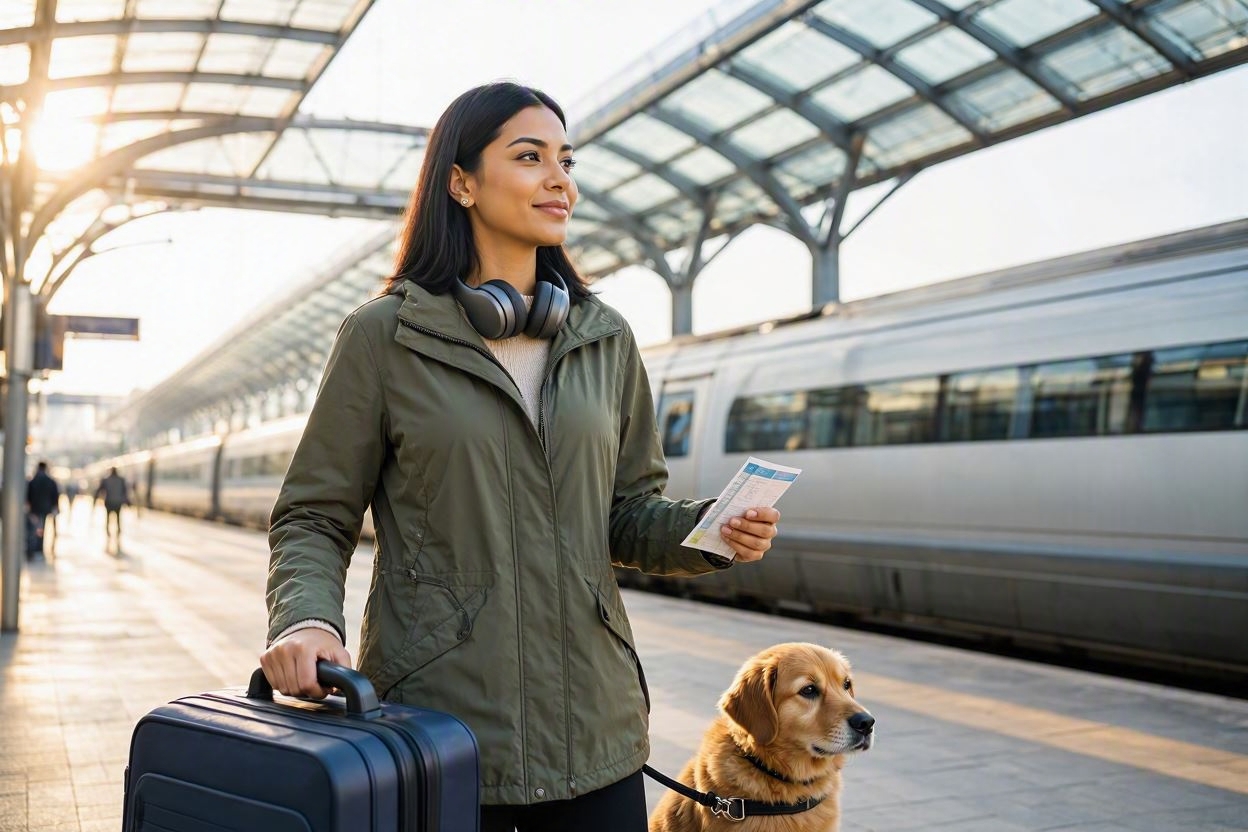
Choose routes that don't involve flying
Traveling by land is often more interesting than a quick flight. You don't waste time at the airport, going through security, or waiting for luggage; plus, you can pack more and plan stops along the way.
Trains
Trains are the most convenient option for those seeking peace of mind and predictability. In Europe, China, Japan, and parts of Russia, rail networks allow for fast, comfortable travel between major cities. Overnight trains save on hotel costs, while daytime trains are perfect for those who enjoy watching the scenery.
Select your seat in advance when booking. If confined spaces make you anxious, opt for a lower bunk, an aisle seat, or a compartment with fewer passengers. On long journeys, it’s a good idea to schedule a daytime stopover in an intermediate city.
Buses and transfers
Buses are suitable for regional trips, routes between neighboring countries, and travel to destinations not served by trains. Before buying a ticket, check the travel time, scheduled rest stops, carrier reviews, and the type of bus. For overnight trips, choose services with reclining seats and minimal transfers.
Car
Traveling by car gives you maximum control: you can change the pace, stop for rest, take scenic roads and avoid congested train stations. But it is important to be realistic about distances. It is safer to plan no more than 400-600 kilometers per day, especially if there is only one driver.
- Make a route with spare stops.
- Check documents, insurance and entry rules.
- Mark gas stations, parking lots and overnight stays in advance.
- Take breaks every 2-3 hours.
Ferry and cruises
If you need to cross the sea, consider a ferry. This is a good way to get to the islands or combine a car trip with a seaside section. Before booking, check the flight duration, cabin conditions, car transportation rules and the likelihood of motion sickness. People with seasickness should take a seat closer to the center of the boat and prepare medications after consulting a doctor.
How to plan a trip to reduce anxiety
The more uncertainty, the stronger the fear. Therefore, an anxious traveler does not need a rigid schedule down to the minute, but a clear structure with a reserve of time.
Make the route shorter and easier
It is better to choose one country or two close cities than to try to travel around half the continent. The fewer transfers, overnight journeys and unverified carriers, the smoother the trip will be. If the journey is long, break it into stages of 4-7 hours and add an overnight stay.
Book accommodation close to transport
A hotel near a train station or bus station reduces the load on the day of arrival. Check if you can check in late, where to leave your luggage and how to get there on foot or by official taxi. Simple everyday details often matter more than an inspiring list of attractions.
Prepare an alarm kit
- noise canceling headphones;
- water and light snack;
- power bank and downloaded offline cards;
- a blanket or scarf for a cozy feeling;
- list of contacts and addresses;
- breathing exercise written down in notes.
.jpg)
If the flight cannot be avoided
Sometimes a plane really is the smartest option: an urgent trip, a remote destination, a limited vacation. In this case, you should not just endure it. Preparation begins with choosing a flight.
Take a direct day flight if possible. A short flight is psychologically easier than a long one, and the lack of transfers reduces stress. The aisle seat gives a feeling of space, while the front of the cabin tends to feel calmer. Do not abuse alcohol: it can increase anxiety and make you feel worse.
During the flight, a simple scheme helps: inhale slowly for 4 counts, exhale for 6 counts, relax your shoulders and fixate your attention on the objects around you. Remind yourself that turbulence is normal and the crew is trained to work in a variety of conditions. If you have panic attacks, talk to your doctor about safe options for support ahead of time.
Travel without a plane is not a limitation
Not flying does not make you a bad traveler. The slow route allows you to better feel the distance, see small towns, try local food at stops and not be dependent on airports. The main thing is not to compare your pace with someone else's.
Start with a short weekend trip, then increase the distance. Collect personal experience: which seats on the train are more comfortable, how many hours of travel you can endure calmly, which applications help you navigate. This way, fear will no longer control plans, and travel will again become a way to relax, learn new things and regain freedom of movement.