Why Carnivals Exist Across Cultures
A carnival is more than just a celebration: it is a cultural phenomenon found in almost every civilization. It brings people together through music, costumes, dancing, and the temporary suspension of social boundaries.
Despite their different religious and historical origins, carnivals serve a similar purpose: they give society space for emotional release and collective expression.
Today, they have also become an important part of tourism and urban economies.
Rio de Janeiro Carnival
One of the world’s most famous carnivals takes place in Rio de Janeiro. This spectacular event centres on samba schools competing in parades at the vast Sambadrome arena.
Highlights
- Samba school parades
- Vibrant costumes and floats
- Street parties
- Non-stop music and dancing
Rio Carnival is a symbol of Brazilian culture and one of the largest festivals in the world.
Venice Carnival
In Venice, carnival has a different character. The focus is on masks, historical costumes, and the city’s theatrical atmosphere.
Historically, masks made it possible to conceal social differences, creating a sense of equality among participants.
Highlights
- Traditional masks
- Renaissance-style costumes
- City processions
- Theatrical performances
Mardi Gras in New Orleans
Mardi Gras in New Orleans blends European traditions with American musical culture, especially jazz and blues.
Highlights
Popular articles
Saddle Up! Russia’s Best Horseback Riding Tours Japan’s Lesser-Known and Fascinating Islands- Parade floats
- Throwing beads and souvenirs
- Street music
- The celebration’s distinctive colour symbolism
European Carnivals
European carnivals are remarkably diverse. In Germany, they often feature satire and humorous processions, while in Spain and Portugal, dancing and fire shows take centre stage.
Each region adds its own cultural elements while preserving the shared spirit of celebration.
Caribbean Carnivals
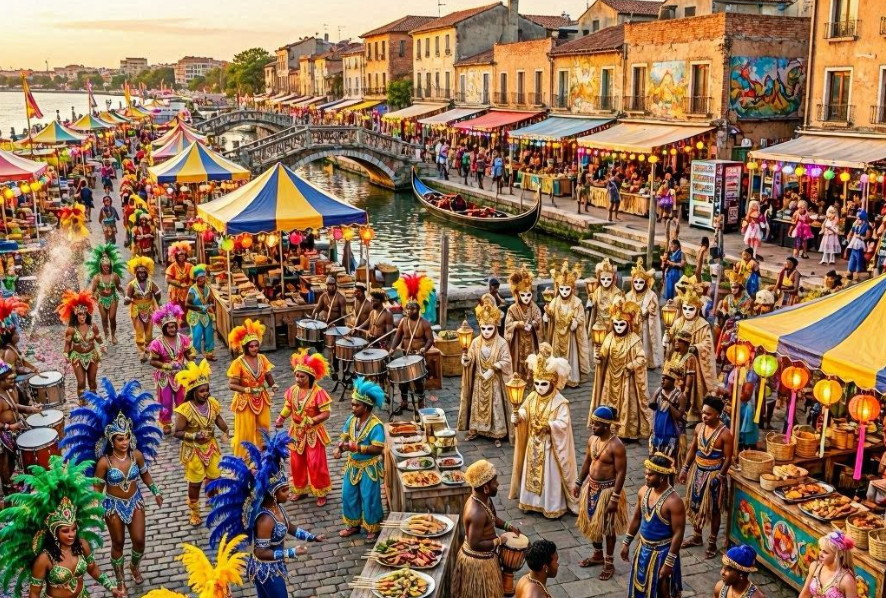
The Caribbean is known for some of the world’s most vibrant and musical carnivals. Rhythm, dance, and the blending of cultural traditions play a central role here.
Highlights
- Colourful costumes
- Street dancing
- Live music performances
- Night-time processions
The Social Role of Carnivals
Carnivals allow society to step outside the rules of everyday life for a while. They are a form of collective release and cultural self-expression.
They strengthen community identity and often become an important part of a city’s appeal to visitors.
Economic Importance
Major carnivals generate substantial revenue through tourism, hotels, restaurants, and transport. In many cities, they are one of the most important seasons for the local economy.
Conclusion
Carnivals are a universal language of culture. They take many forms, but they always serve the same purpose: bringing people together through emotion, music, and movement.
From Rio to Venice and New Orleans, every carnival reflects a unique history, yet they all speak to the same human need for celebration and freedom of expression.