City life is often defined by rushing, stress and constant connection to technology. Camping is an ideal way to step away from the urban bustle, reconnect with nature and restore your mental balance. However, for city dwellers with no experience of spending nights outdoors, planning such a trip can seem difficult or even intimidating. In fact, camping is much easier than it looks when you prepare properly.
Why camping is good for city dwellers
Spending time in nature offers many benefits for health and wellbeing. Camping can help you:
- Reduce stress and anxiety
- Increase physical activity through hiking and outdoor recreation
- Improve sleep thanks to fresh air and physical activity
- Strengthen family relationships through shared time away
- Build independence and confidence
Choosing your first campsite
Distance and accessibility
For your first trip, choose a location within 50–150 kilometres of the city that is easy to reach by car. This helps you avoid a long drive and focus on the camping experience itself. Look for places accessible via roads suitable for a regular car.
Campsite facilities
Beginners are best off choosing established campsites or holiday parks with essential facilities already available: toilets, drinking water, tent pitches and other amenities. This lets you focus on adjusting to the outdoors without worrying about basic comfort.
Essential equipment for beginners
Basic kit
Here is a list of absolutely essential gear for your first camping trip:
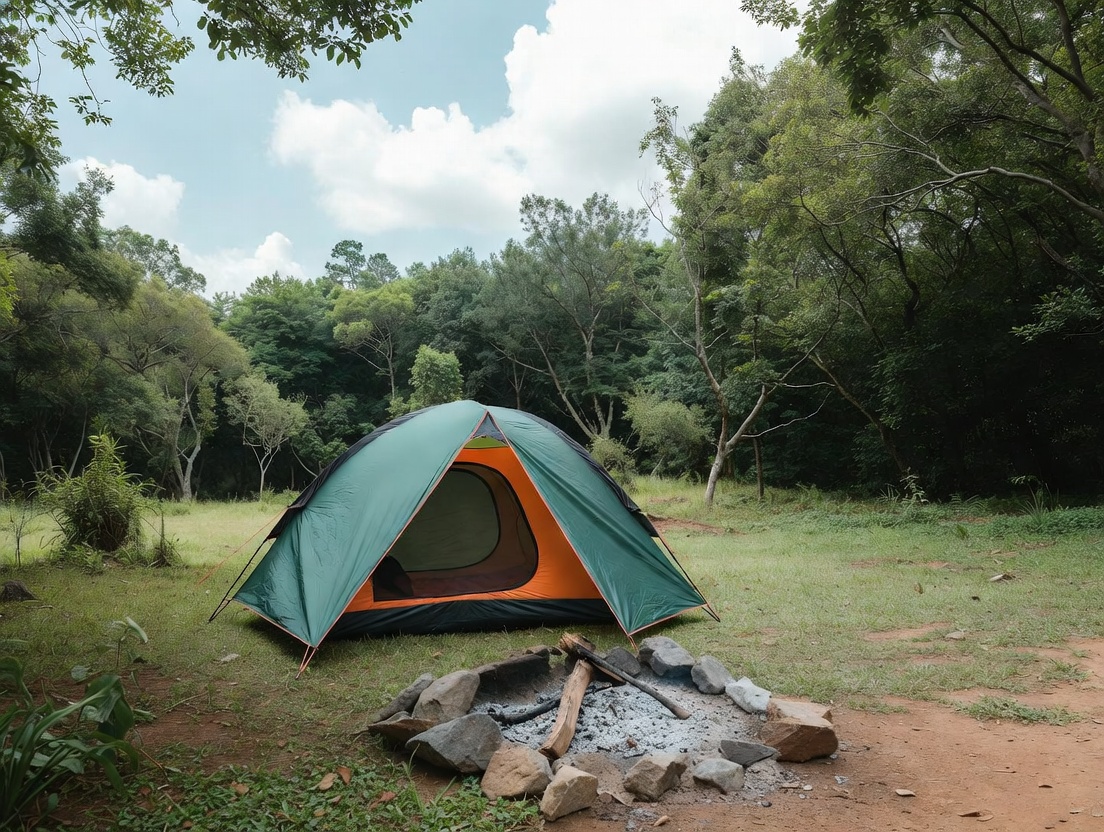
- Tent - choose a simple, lightweight and reliable model. Its size should suit the number of people, with a little extra space
- Sleeping bag - choose one suited to the season in which you plan to camp
- Sleeping pad or mattress - provides insulation from the ground and adds comfort
- Flashlight or lantern - essential for finding your way after dark
- Backpack - for carrying your belongings and equipment
Additional gear
You can add to your kit as you gain experience. At the beginning, it is useful to have folding chairs, a camping stove or compact burner, cookware, a folding table, ropes and tent stakes.
Preparation and planning
Check the weather
Popular articles
Vottovaara: Karelia’s Place of Power Tourist Season 2020: When Does It Open and What Are the Prospects?Be sure to check the weather forecast for your chosen dates before travelling. For your first trip, avoid periods of extreme cold, heat or rain. In temperate regions, May to September is the ideal camping season.
Make a supplies list
Plan your menu for the camping trip and make a list of the food you need. Choose simple meals that do not require complicated cooking: porridge, pasta dishes, canned food, bread, fruit and vegetables. Do not forget to bring enough water.
Your first night camping: a step-by-step guide
Getting ready for the night
Start preparing several hours before dark. First, choose a suitable place for your tent: it should be relatively level, sheltered from the wind and away from insects. Check the ground for stones, branches and other objects that could disturb your sleep.
Setting up the tent
Follow your tent manufacturer's instructions. Make sure every part is assembled correctly, the tent is taut and secured with stakes. Place your sleeping bag and mattress inside, arranging them so that you can sleep comfortably.
Organising the campsite
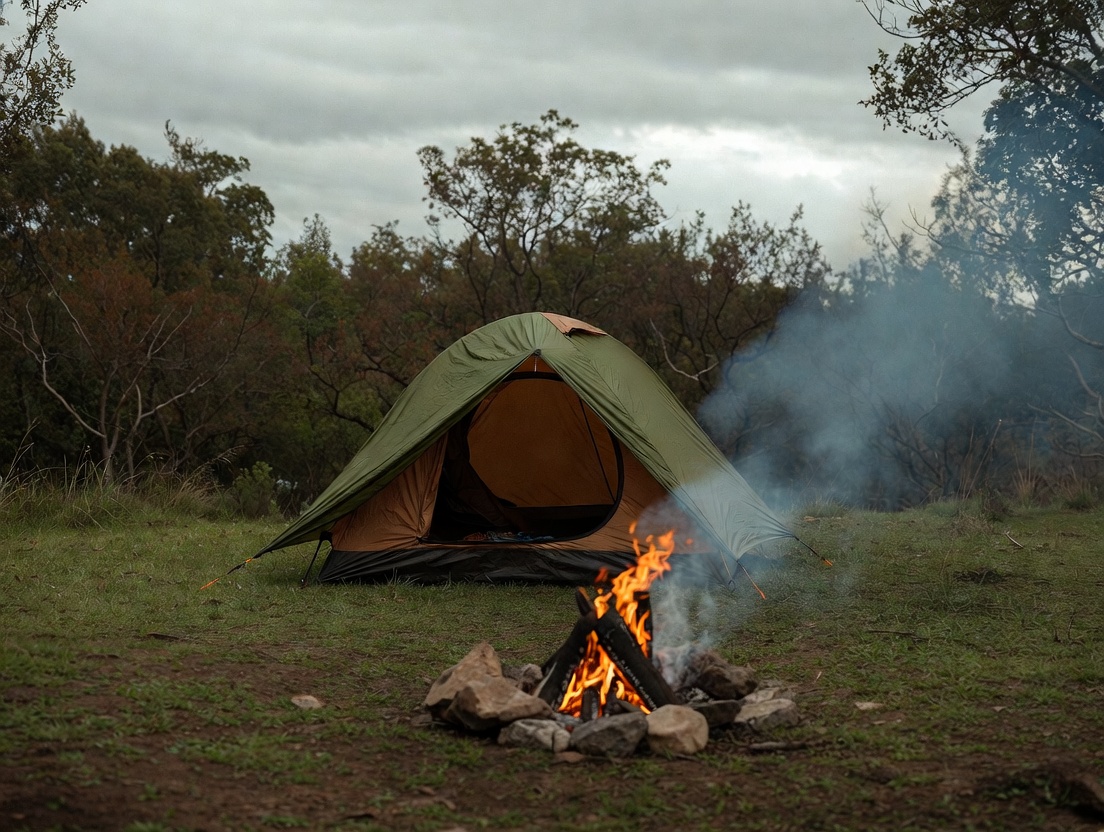
Set aside a separate cooking area at a safe distance from the tent. Position your lantern so its light is visible from the tent. Prepare a place to store food where animals cannot reach it.
Useful tips for beginners
- Start with a short trip of one or two days. This will help you assess your abilities and preferences
- Do not take too many belongings. Minimalism is your best ally when camping
- Arrive before dark so you can set up camp without rushing
- Bring a first-aid kit and insect repellent
- Tell loved ones about your route and planned return
- Respect nature: take your rubbish with you and follow campsite rules
Camping safety
Essential safety rules
Never leave an open fire unattended. Cook only in designated areas. Store food in sealed containers to avoid attracting animals. Do not go far from camp without telling members of your group. If you begin to feel unwell, seek help immediately.
Conclusion
For city dwellers, camping is not only an opportunity to escape the urban rush, but also a way to develop new skills, improve your health and create unforgettable memories. Start small: choose a nearby holiday park, pack the essential gear and set off. After just one night, you will see that camping is easier than it seems—and you will want to do it again. The main thing is to get started!