Cultural tourism is one of the most enriching ways to travel, offering a deep immersion in the history, traditions, and cultural heritage of different peoples and civilizations. It is more than sightseeing: it is a journey through time that broadens horizons and fosters an understanding of the diversity of human culture.
What Is Cultural Tourism?
Cultural tourism includes trips whose main purpose is to explore cultural heritage, historic landmarks, traditions, art, and the way of life of other peoples. This type of travel includes visiting museums, archaeological sites, historic cities, traditional celebrations and festivals, as well as discovering local crafts and culinary traditions.
The World Tourism Organization identifies cultural tourism as a major segment of international travel, accounting for around 40% of all global trips. Today’s travelers increasingly seek not only relaxation, but also new knowledge and experiences that enrich their cultural perspective.
Main Areas of Cultural Tourism
Historic Cities and Landmarks
Visiting historic cities remains one of the most popular forms of cultural tourism. Rome with its ancient ruins, Athens with the Acropolis, Jerusalem with its religious shrines, Kyoto with its traditional temples, and Saint Petersburg with its imperial palaces — these cities preserve priceless elements of humanity’s cultural heritage.
UNESCO World Heritage Sites attract millions of visitors each year. The UNESCO list includes more than 1,150 sites across 167 countries, including architectural ensembles, archaeological monuments, cultural landscapes, and historic city centers.
Museums and Art Galleries
Museum tourism is a distinct area of cultural travel. The Louvre in Paris, the British Museum in London, the State Hermitage Museum in Saint Petersburg, the Prado Museum in Madrid, and the Metropolitan Museum of Art in New York — these cultural institutions offer exceptional collections of artworks and historical artifacts spanning thousands of years of human history.
Ethnographic Tourism
Learning about the traditional lifestyles of Indigenous peoples is becoming increasingly popular. Travelers visit authentic villages, take part in traditional ceremonies, explore folk crafts, and discover local culinary traditions. Particularly popular destinations include Southeast Asia, Latin America, Africa, and regions inhabited by Indigenous communities.
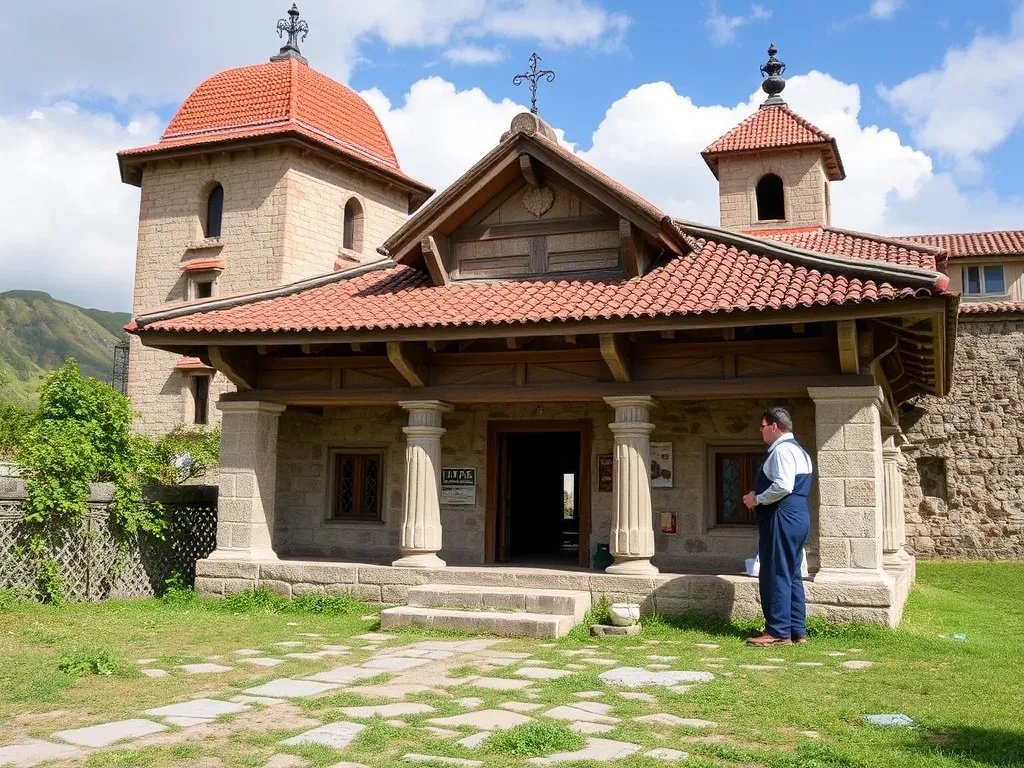
Types of Cultural Tourism
Religious Tourism
Pilgrimages to sacred places and religious centers combine the spiritual and cultural aspects of travel. Vatican City, Mecca, Jerusalem, Varanasi, Santiago de Compostela, and Tibet — these destinations attract both religious pilgrims and travelers interested in religious architecture, art, and traditions.
Event-Based Cultural Tourism
Popular articles
Vottovaara: Karelia’s Place of Power Tourist Season 2020: When Does It Open and What Are the Prospects?Taking part in cultural events and festivals offers a unique opportunity to immerse yourself in living traditions. The carnivals of Rio de Janeiro and Venice, the Edinburgh Festival, Oktoberfest in Munich, Holi in India, and traditional folk celebrations — these events showcase the cultural richness and diversity of traditions around the world.
Literary and Film Tourism
Traveling to places associated with the lives of writers and poets, or with the filming of famous movies, has become a popular trend. Shakespeare’s Birthplace in Stratford-upon-Avon, literary routes linked to Tolstoy and Dostoevsky, and filming locations for «Game of Thrones» and «The Lord of the Rings» attract fans of literature and cinema.
Practical Tips for Cultural Travelers
Preparing for Your Trip
- Learn about the country’s history and cultural characteristics before you travel
- Make a list of key landmarks and museums
- Check the opening hours of museums and historic sites
- Book tickets online in advance for popular museums
- Learn about local traditions and etiquette
During Your Journey
- Use professional guides to gain a deeper understanding of the culture
- Visit lesser-known places as well as major tourist attractions
- Talk to local people and listen to their stories
- Try traditional cuisine at authentic local establishments
- Respect local traditions and religious customs
- Record your impressions in a travel journal
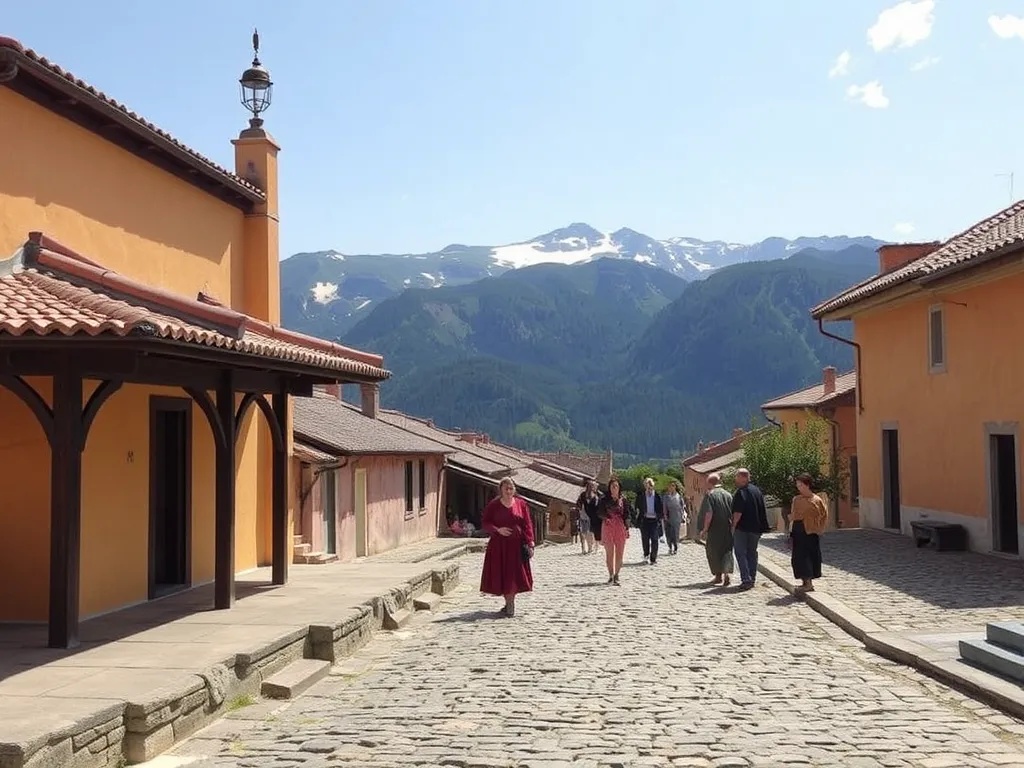
Benefits of Cultural Tourism
Cultural travel enriches people in many ways. It broadens perspectives, encourages tolerance and an appreciation of cultural diversity, and supports intellectual development. Experiencing different cultures can also offer a fresh perspective on your own traditions and values.
Cultural tourism also plays an important role in heritage preservation. Visitor interest encourages the restoration of landmarks, supports traditional crafts and arts, and helps safeguard cultural traditions. Many historic sites and traditions are preserved thanks to tourism revenue.
Responsible Cultural Tourism
It is important to remember the responsibilities that come with cultural travel. Mass tourism can negatively affect historic landmarks and the traditional way of life of local communities. Responsible travelers follow the rules at cultural sites, respect local residents’ peace and privacy, and support the local economy by purchasing authentic products and services.
Conclusion
Cultural tourism opens up limitless opportunities to discover the world through history, art, and tradition. Every journey becomes a history lesson, a source of inspiration, and a way to build connections between cultures and generations. By choosing cultural travel, we not only enrich ourselves with new knowledge and experiences, but also help preserve the world’s cultural heritage for future generations.