A motorhome is an unusual way to travel, and even armchair experts cannot make up their minds about it: there are plenty of drawbacks, but each one is offset by a major advantage. So, should you buy one or not? Let’s explore who motorhome travel suits, what limitations it involves, and whether it is worth taking your home on wheels when hotels are available for every taste.
Who Is a Motorhome For and What Is It?
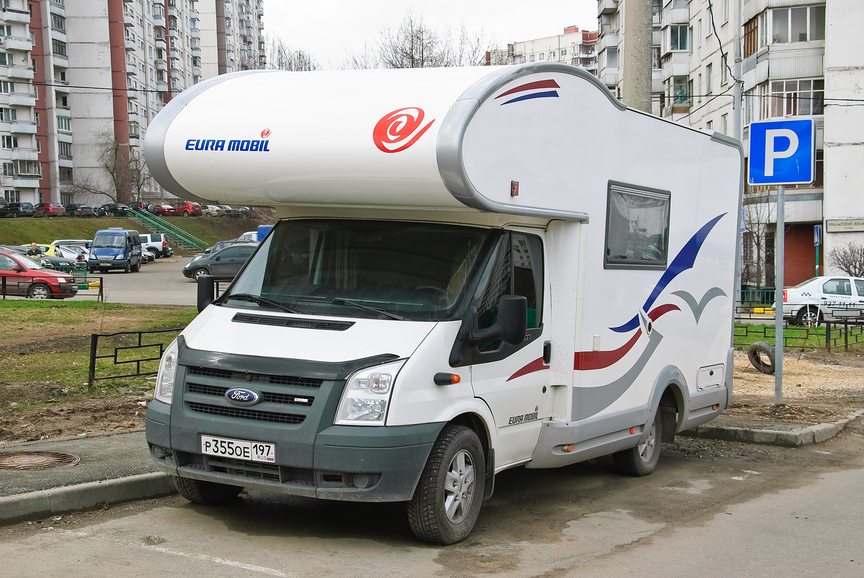
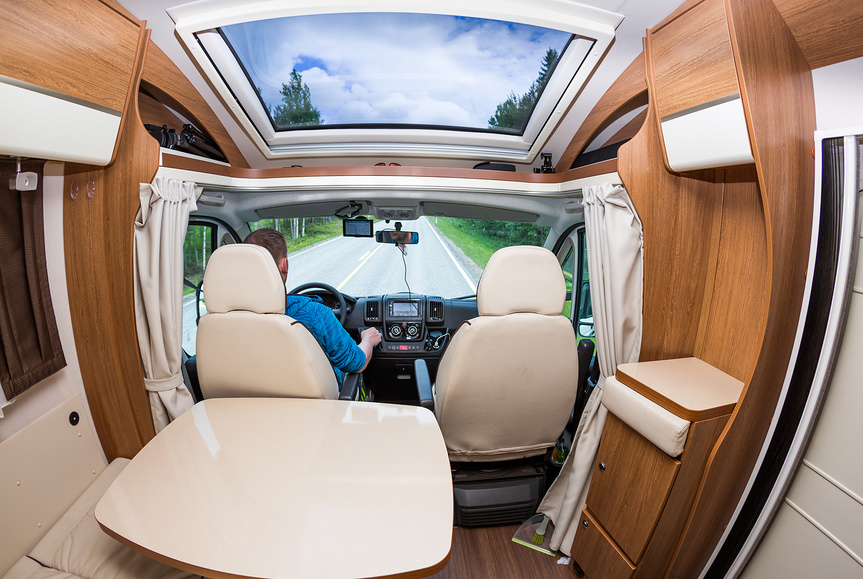
A motorhome is a fully equipped mini-apartment on wheels, an ideal travel format for comfort lovers. You drive through beautiful places, enjoy the views and discover attractions, while being able to stop almost anywhere at any time and stay with all the comforts of home. Sounds great, doesn’t it? A motorhome suits older travellers, families with young children and pets, people who are open to the world, active and curious travellers, those who value comfort, and anyone who likes to have everything close at hand while travelling. A motorhome has a comfortable mattress, air conditioning, a shower, a small kitchen with a gas stove and refrigerator, plus plenty of cupboards and storage space. In other words, you can travel for a long time without giving up hot soup for lunch, an evening shower or your own bed linen. Do not think of a motorhome as a budget option for people who cannot afford a good hotel or café and are therefore willing to squeeze into 10 square metres and carry everything with them just to save money. First, some motorhomes cost as much as a villa with a swimming pool in Cyprus—and that is a reality. Second, it is a particular philosophy and a style of travel. We do not say that backpackers cannot afford a bus or train, or that people sleep in tents because hotels are beyond their budget.
Where You Can Go in Your Own Motorhome Tomorrow
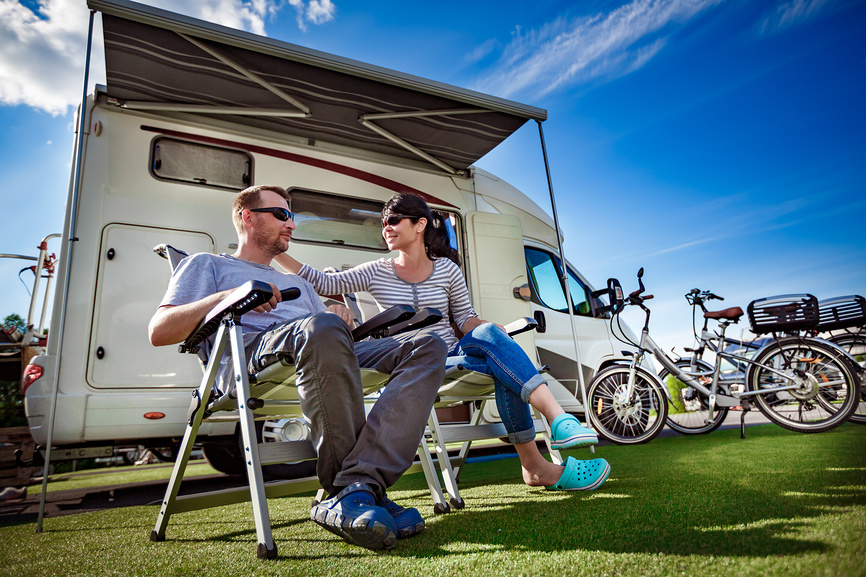
A motorhome can take you almost anywhere—from Georgia’s Black Sea resorts and the steppes of Kalmykia to beautiful Bashkortostan and Lake Baikal—but you will always need to consider whether you can actually reach the final point of your route. Motorhomes are rather bulky and not especially manoeuvrable: they can easily get stuck on wet grass or in sand. So far, that may sound like nothing but inconvenience, but imagine being able to travel to places with no hotels at all, or only poor-quality and overpriced ones, while always sleeping well on your favourite mattress and not depending on cafés or shops. You can simply enjoy the journey. For example, head to Crimea and discover which cape has the most beautiful sunrise and sunset. Travel to the Urals to see Lake Turgoyak, Baikal’s younger brother. Visit Belarus and explore its countless beautiful lakes. Go fishing in Astrakhan for delicious herring and dried vobla fish. Explore Yakutia and Buryatia for as long as your free time or the summer season allows. The whole country is open to you. One of the greatest things about motorhome travel is that a trip can last a long time and cover vast areas. You can visit one destination, then pop over to a neighbouring one “just to have a look”, then continue to another nearby place, and so on. A motorhome means you are not tied to hotels, transfers or return tickets. And if you work remotely, the journey could last a lifetime!
What You Need to Know Before Buying a Motorhome
Popular articles
Japan’s Lesser-Known and Fascinating Islands Saddle Up! Russia’s Best Horseback Riding ToursThe spirit of travel freedom is usually limited by three important things: laws that must not be broken, finances that always seem limited, and time, of which there is even less than money. All of this applies directly to motorhome travel.
What you need to know:
• a motorhome is for unhurried, calm and balanced people; otherwise, its average speed—even on a toll road—as well as turning around, parking and getting to scenic spots may make you want to sell it before the trip is over;
• a motorhome is not a magic tablecloth where everything appears by itself and in unlimited quantities: you need to take care of gas, water supplies, wastewater disposal, internet and electricity yourself, keep everything under control and stock up on essentials;
• motorhome travel still comes with costs: you may need to stay at designated camper sites and pay for wastewater disposal, electricity hookups and a pitch;
• a motorhome is not a compact car but a large vehicle. Many European cities do not allow them into historic centres, while in Russia some motorhomes are classified as trucks weighing more than 3.5 tonnes, which means traffic restrictions on speed, lane choice and more.
By the way, about designated sites: they do exist in Russia, though not in the same numbers as in Europe, where even the most beautiful places often have organised camping facilities. A campsite lets you stay in your home on wheels, for example by the sea, while eliminating some everyday hassles. You can park anywhere it is permitted, but you will still need to think about wastewater disposal, battery charging and clean water supplies. Otherwise, the journey will not feel very different from camping in a tent. There are also important considerations when choosing a motorhome: whether it is built on a chassis, its power, capacity and level of comfort. However, these are technical details and not directly related to travel itself.
So what is a motorhome: an excellent travel option, a spirit of freedom and exceptional comfort, or a burden that narrows your travel map? A good investment or an endless money pit for maintenance and running costs? Finding the answers is easy enough: simply rent a motorhome and go on a trip. Even a couple of days parked somewhere beautiful by the water will be enough to draw your own conclusions. And if your first words on returning home are, “That was amazing!”, congratulations—a motorhome is for you!