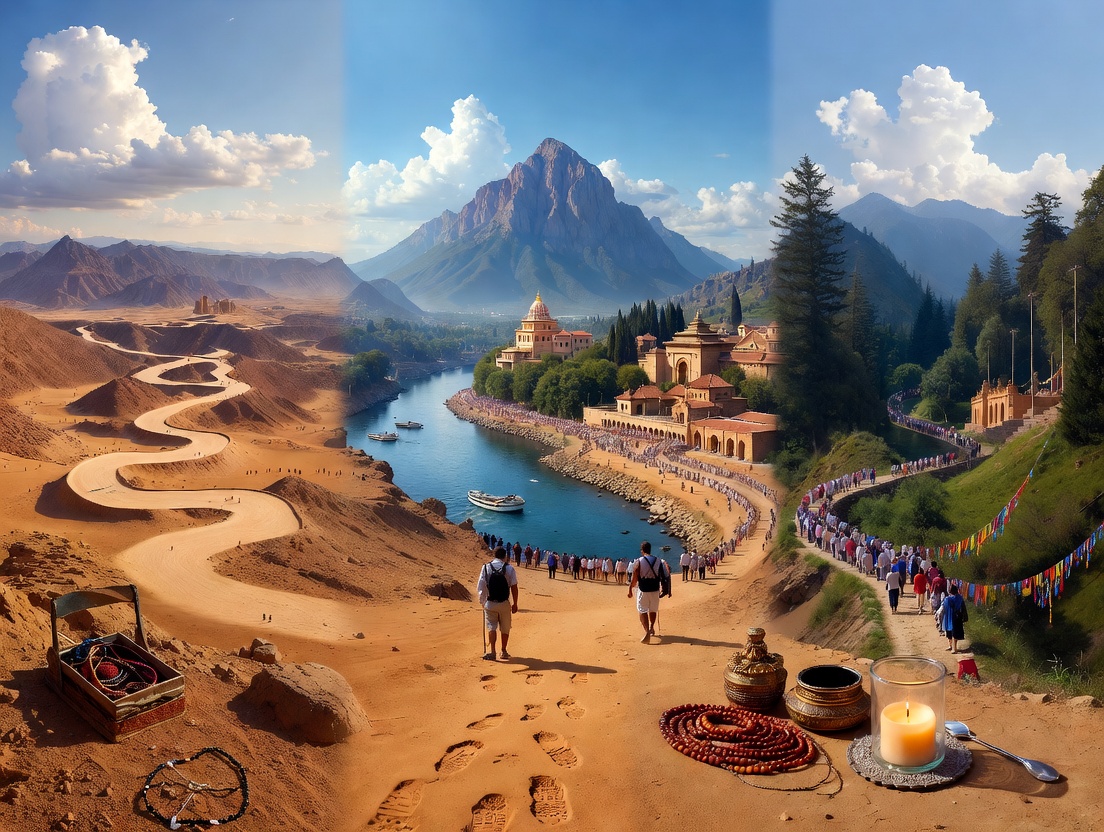
Pilgrimage is one of humanity’s oldest spiritual traditions. People travelled to sacred places long before the emergence of modern tourism. These journeys are undertaken not for leisure or entertainment, but for spiritual cleansing, prayer and the search for inner meaning. Pilgrimage routes exist in virtually every major religion and often have histories stretching back centuries.
For many believers, the journey to a shrine represents a spiritual test. Long distances, physical challenges and time for reflection help people focus on their faith and inner world.
The Meaning of Pilgrimage Across Cultures
Despite differences between religions, pilgrimage serves similar purposes. It brings people together, strengthens spiritual traditions and recalls important events in religious history.
Main Purposes of Pilgrimage Journeys
- Visiting sacred places and temples.
- Prayer and spiritual cleansing.
- Fulfilling a religious duty.
- Seeking spiritual inspiration.
- Taking part in religious festivals and rituals.
Many routes developed over centuries, and some pilgrimage trails are now recognised as part of humanity’s cultural heritage.
Christian Pilgrimage Routes
Christianity has numerous sacred sites connected with the life of Jesus Christ, the apostles and the saints. Millions of believers visit these places every year.
Well-Known Christian Routes
- The Way of Saint James (Camino de Santiago) in Spain.
- Pilgrimages to Jerusalem and other sacred sites in the Holy Land.
- Journeys to the monasteries of Mount Athos in Greece.
- Visits to the Vatican and St Peter’s Basilica.
- Pilgrimages to Orthodox monasteries and shrines.
The Way of Saint James is especially famous. It passes through several European countries and ends in the city of Santiago de Compostela. Many pilgrims walk hundreds of kilometres along the route.
Pilgrimage in Islam
Popular articles
Vottovaara: Karelia’s Place of Power Tourist Season 2020: When Does It Open and What Are the Prospects?In Islam, pilgrimage is one of the Five Pillars of the faith. Every Muslim who is able is required to perform Hajj at least once in their lifetime.
Key Pilgrimage Sites
- Mecca — Islam’s holiest city.
- The Kaaba — the central shrine of Islam.
- Medina — the city of the Prophet Muhammad.
- Mount Arafat — an important site during Hajj.
During Hajj, millions of believers from around the world gather in Saudi Arabia to perform ancient rituals symbolising the equality and unity of the Muslim community.
Buddhist and Hindu Pilgrimage Routes
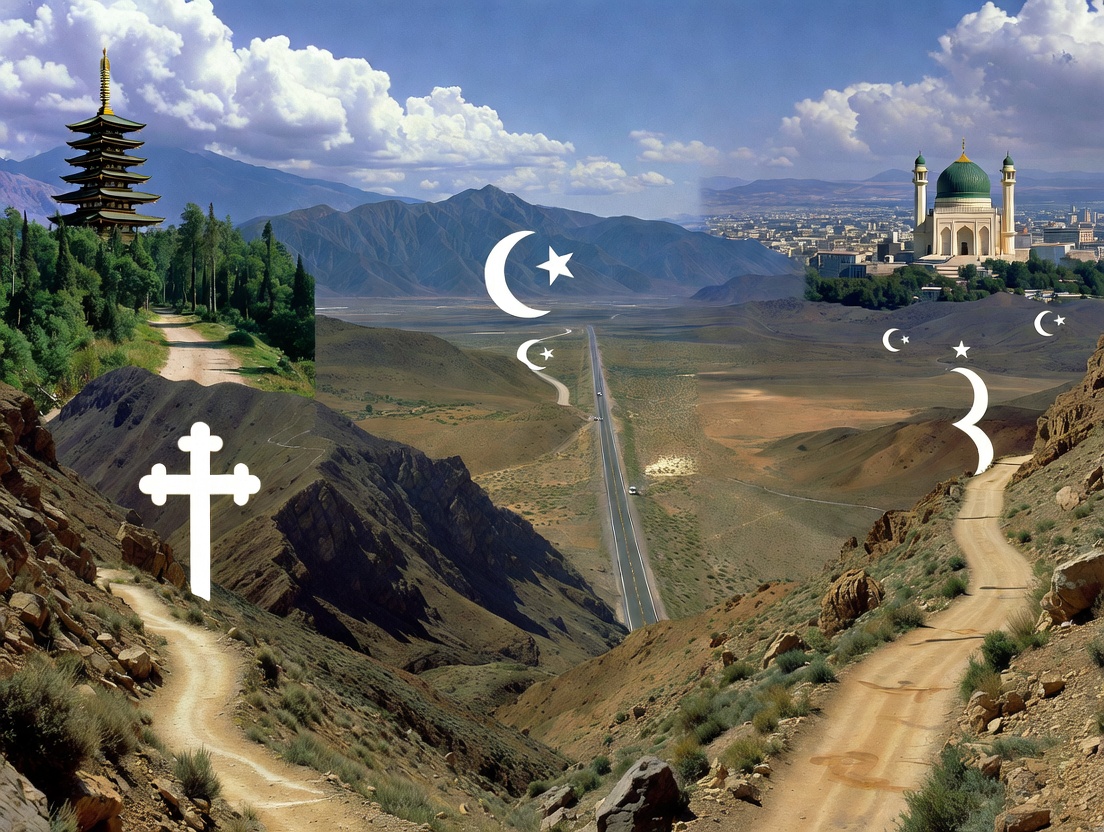
Pilgrimage also holds an important place in Eastern religions. Buddhists and Hindus visit sacred sites associated with spiritual teachers and ancient temples.
Sacred Sites in Asia
- Bodh Gaya, India — the place of the Buddha’s enlightenment.
- Lumbini, Nepal — the birthplace of the Buddha.
- The Ganges — Hinduism’s sacred river.
- Varanasi — one of the world’s oldest sacred cities.
- Temples and monasteries of the Himalayas.
For Hindus, bathing in the Ganges is especially important, symbolising purification from sins. Buddhist pilgrims visit places associated with the Buddha’s life and the spread of his teachings.
The Modern Significance of Pilgrimage Routes
Today, pilgrimage trails continue to attract millions of people. Some travellers follow these routes not only for religious reasons, but also for cultural experiences or spiritual exploration.
Pilgrimage brings together history, religion and travel. It allows people to discover ancient traditions, see unique architectural monuments and experience the atmosphere of sacred places.
Despite advances in technology and transport, many pilgrims still prefer to travel on foot. This makes the journey more meaningful and helps them connect more deeply with the significance of the spiritual path.