Planning a trip is an exciting process that can be just as enjoyable as the journey itself. If you are thinking about travelling next year, now is the perfect time to start preparing. Planning ahead not only helps you avoid stress and last-minute rushes, but can also save you a significant amount of money. Let’s look at a step-by-step plan to help you organise the perfect trip for next year.
Defining your goals and preferences
Before you start searching for flights and booking hotels, it is important to understand exactly what you want from your upcoming trip. This stage lays the foundation for all your further planning.
Choosing the type of trip
Decide what kind of journey you want. Are you looking for a beach holiday, an active adventure, cultural immersion, or perhaps a combination of all of these? The answer will help narrow down your choice of potential destinations.
- Beach holidays: ideal for complete relaxation and recharging
- Cultural tourism: exploring history, architecture, and local traditions
- Adventure tourism: hiking, rafting, climbing, or extreme sports
- Ecotourism: immersing yourself in nature while minimising environmental impact
- Food tourism: discovering local cuisine and culinary traditions
Deciding on the length of your trip
Decide how much time you are willing and able to devote to travelling. This directly affects your choice of destination and the depth of your immersion in local culture. Short trips are better suited to city breaks, while remote and exotic destinations require more time because of long flights and acclimatisation.
Choosing a destination
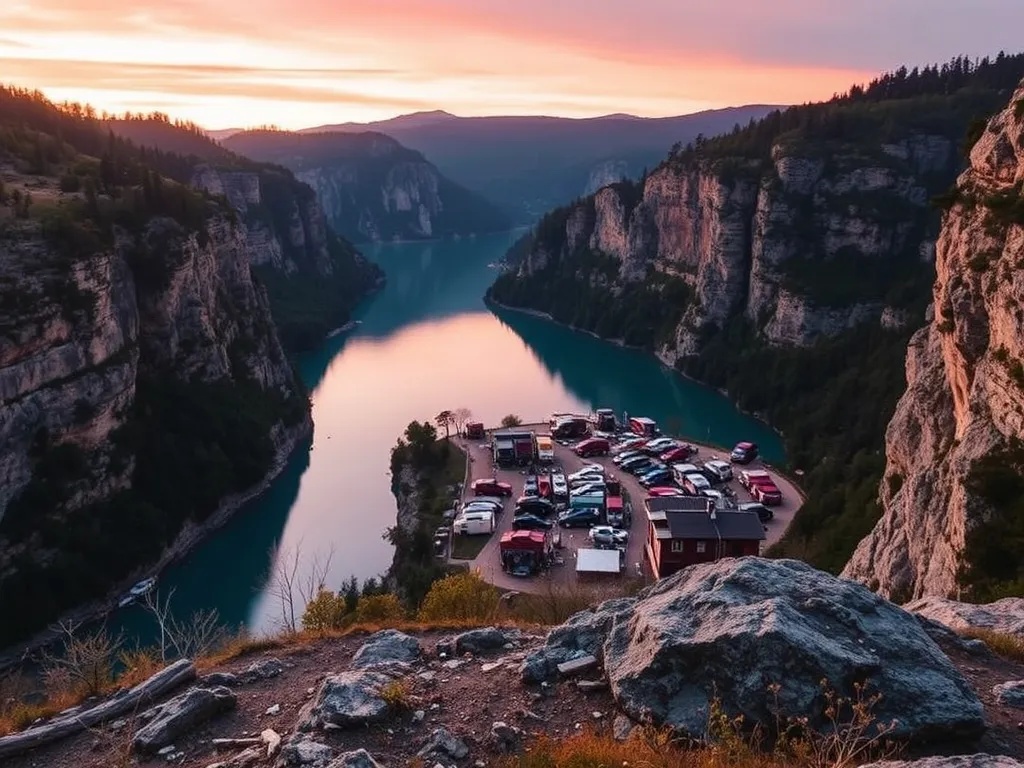
Once you have defined your travel goals, you can begin choosing a specific destination. This is one of the most exciting decisions in the planning process.
Researching potential destinations
Make a list of places that interest you. Research their climate, attractions, local culture, safety, and transport connections. Use travel blogs, forums, guidebooks, and social media to gather up-to-date information.
Considering the seasons
The time of year has a major effect on your travel experience. Every destination has its own high and low seasons:
- High season: ideal weather conditions, but more tourists and higher prices
- Low season: fewer tourists and lower prices, though weather conditions may be less favourable
- Shoulder season: a happy medium between good weather and reasonable prices
Research the climate of your chosen destinations throughout the year and choose the best time to visit based on your preferences and circumstances.
Planning your budget
Financial planning is a crucial stage that shapes many aspects of your trip. The earlier you start budgeting, the more time you will have to save the amount you need.
Estimating costs
Make a list of all possible travel-related expenses:
- Transport (international and local flights, trains, buses, car hire)
- Accommodation (hotels, hostels, apartments, campsites)
- Food and drinks (restaurants, cafés, grocery stores)
- Entertainment and excursions (museum tickets, theme parks, organised tours)
- Shopping and souvenirs
- Travel medical insurance
- Visas and fees
- Unexpected expenses (an emergency fund)
Creating a savings plan
Once you have estimated the amount needed for your trip, divide it by the number of months remaining before departure. This will show you how much you need to save each month. Open a separate travel savings account and set up automatic transfers to help you save consistently.
Finding ways to save
There are many ways to reduce costs without compromising the quality of your trip:
- Book flights early and use comparison sites to compare prices
- Consider alternative accommodation options, such as apartments instead of hotels
- Use airline and hotel loyalty programmes
- Watch for special offers and seasonal sales
- Travel during the low or shoulder season
Preparing your documents
Popular articles
Vottovaara: Karelia’s Place of Power Tourist Season 2020: When Does It Open and What Are the Prospects?Preparing your documents well in advance will spare you unnecessary stress before departure and potential problems during your trip.
Passport and visas
Check your passport’s expiry date — for most countries, it should remain valid for at least six months after your planned return. Check the visa requirements for your chosen country and prepare the necessary documents. Keep in mind that visa processing can take anywhere from several days to several months, depending on the country.
Health considerations
Take out travel medical insurance with sufficient coverage. Find out which vaccinations are recommended or required for your chosen destination and get them in advance. If you have chronic health conditions, bring an adequate supply of any necessary medication and a medical certificate in English.
Bookings and purchases
Once the main details of your trip have been decided, it is time to take practical steps — booking transport and accommodation.
Transport
Flights are best booked 2–6 months before your planned departure date, as this is often the best window for finding favourable prices. Use comparison sites to monitor price changes and set up fare-drop alerts. If your itinerary includes several destinations, plan how you will travel between them in advance — a combination of transport options may be worth considering.
Accommodation
When choosing accommodation, consider not only the price but also the location, transport connections, and reviews from other travellers. At the early planning stage, bookings with free cancellation are often the best option, as they give you flexibility if your plans change.
Planning your itinerary in detail
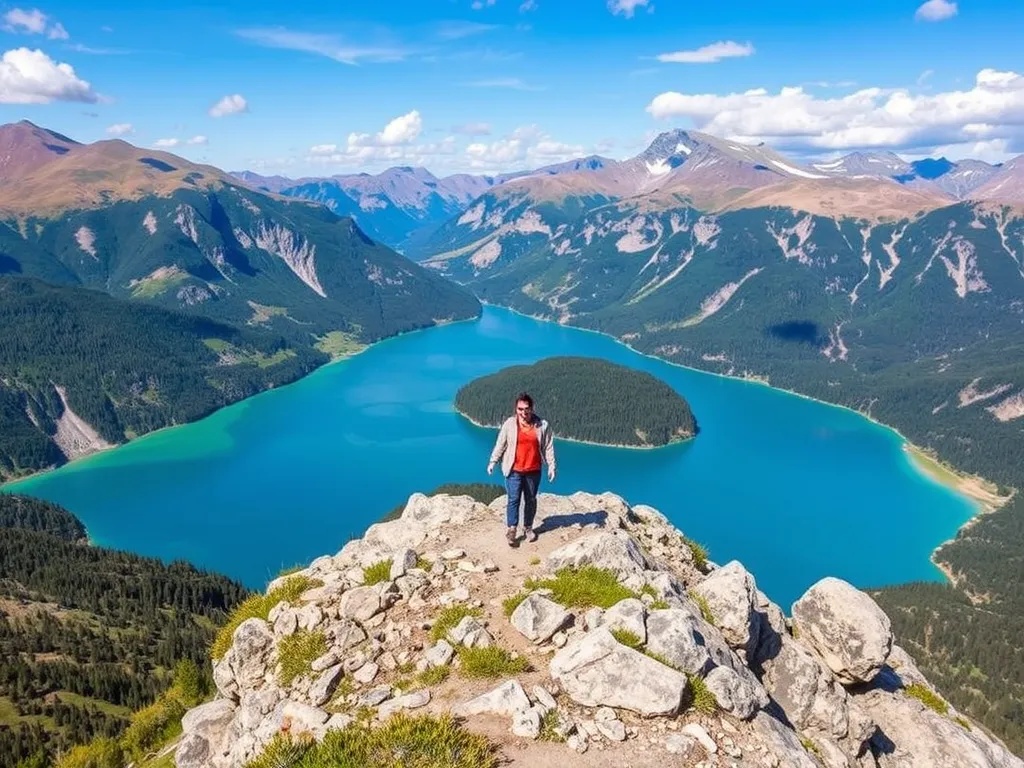
Several months before your trip, start putting together a detailed itinerary. This does not mean scheduling every hour of your journey — it is important to leave time for spontaneous decisions and unexpected discoveries. However, a general plan will help you make the most of the time you have.
Making a list of must-see places
Identify the key attractions and activities you definitely want to experience. Check their opening hours, admission prices, and whether advance booking is available. For popular places, booking tickets ahead can save hours that you might otherwise spend in queues.
Balancing activities
Aim for a balance between organised excursions, independent exploration, and time to relax. Plan no more than one or two major attractions per day, leaving time for spontaneous discoveries and rest.
Preparing for departure
Start your final preparations a few weeks before your trip to avoid a last-minute rush.
Packing
Make a packing list based on the climate, planned activities, and length of your trip. Aim for minimalism — excess luggage creates unnecessary inconvenience while travelling. Do not forget any destination-specific items you may need, such as plug adapters or appropriate clothing for visiting religious sites.
Digital preparation
Download useful travel apps, including offline maps, translation tools, and apps for booking transport and accommodation. Make digital copies of all important documents and save them in cloud storage with offline access.
Conclusion
Planning a trip is a process that takes time and attention to detail, but it brings significant benefits. Careful preparation not only helps you save money and avoid stressful situations, but also allows you to get the most from your travel experience.
By starting your preparations a year before your planned trip, you give yourself enough time to explore all the options, save the amount you need, and arrange your documents. At the same time, remember that the best plan is one that leaves room for improvisation and unexpected discoveries. After all, it is unpredictability and novelty that make travel so exciting.
Use these recommendations as a foundation, but adapt them to your own travel style and preferences. In the end, what matters most is not a perfect plan, but the emotions and memories you bring home with you.