When it comes to Russia’s most remarkable and captivating places, the Putorana Plateau stands apart—only a handful of travellers have been here, and they have all been exceptionally adventurous. Yet the more challenging and remote a destination is, the more irresistible it becomes, doesn’t it? So, the Putorana Plateau may be a sign from fate for those who have long dreamed of visiting, or simply an informative introduction to the boundless Siberian wilderness for everyone else.
Where the plateau is located
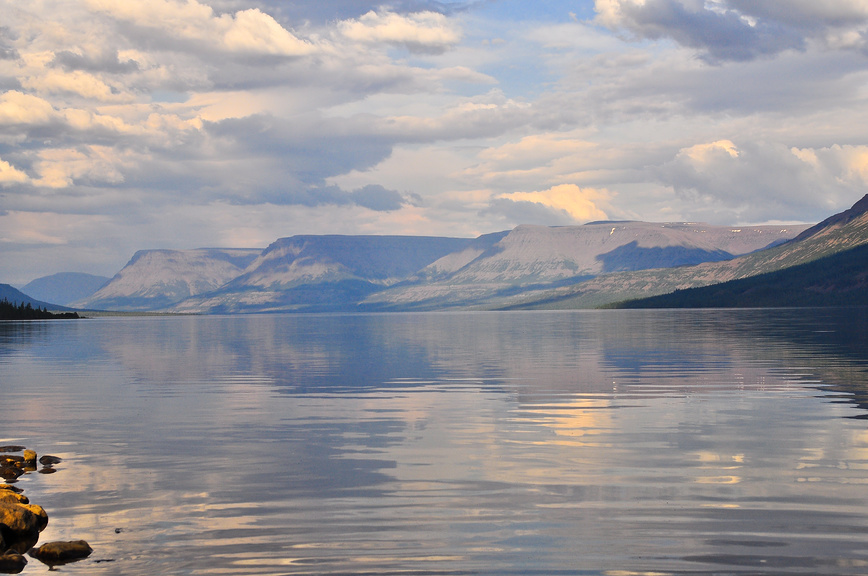
First, a little geography. The Putorana Plateau is not a newly discovered mountain range in photos from a Mars rover, nor is it distant Indonesia—it lies near the geographical centre of Russia. This is Krasnoyarsk Krai, a region of permafrost and vivid, fleeting summers. The Putorana Plateau is a volcanic upland in northwestern Krasnoyarsk Krai, near Taimyr and Norilsk. It is a mysterious place of extraordinarily beautiful landscapes, freshwater lakes of unknown depth, waterfalls and valuable mineral resources. Geographers say that if you could slice through the plateau, it would resemble a many-layered cake. Each layer represents a distinct period that began and ended with volcanic eruptions.
How to get there
The nearest city is Norilsk. Norilsk is accessible by air, or via the Northern Sea Route to Dudinka on the Yenisei River, followed by around 100 km by rail or road to Norilsk. From Norilsk, there are two ways to reach the Putorana Plateau: by helicopter or seaplane—an expensive but fast and comfortable option with baggage restrictions—or by boat with local guides. The latter route is longer but more affordable, travelling along the Norilka and Muksunka rivers, then through lakes and their tributaries to the desired location.
The best season to visit
Summer and early autumn are the ideal times to visit the Putorana Plateau. At other times of year, rivers and waterfalls freeze, while the landscapes disappear beneath dazzling white snow. Even summer is a relative concept here, more like a mild spring or autumn elsewhere. Night-time temperatures fall to 8–10°C, while daytime temperatures reach 15–20°C, and snow may still be found in parts of the plateau. Warm waterproof clothing and footwear, ideally in several sets, as well as a tent and sleeping bag, are essential.
Planning your trip properly
Here are a few recommendations, though the final decision is always yours:
- the Putorana Plateau is best visited with an organised group and a ranger or guide, as independent travel can be dangerous;
- it is advisable to arrive in Norilsk two or three days before departing for the plateau, allowing time to adjust to Krasnoyarsk Time.
Experienced travellers and local residents also warn that plans in Norilsk depend heavily on the weather: poor visibility, storm warnings on the Norilka River, strong winds and torrential rain can all cause delays. It is best to allow a few extra days in your itinerary in case your visit to the plateau needs to be postponed.
What to do on the Putorana Plateau
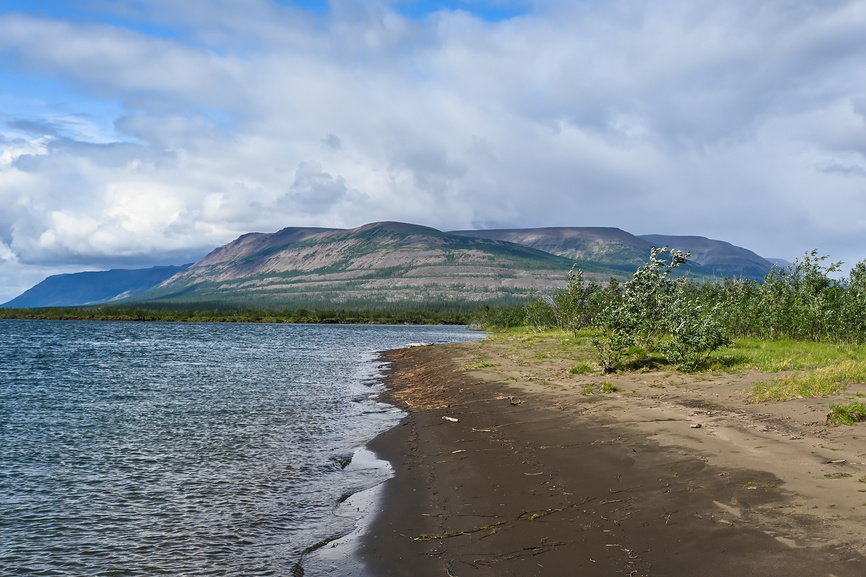
Why do people brave the wilderness and mosquitoes to travel to the Putorana Plateau? Everyone has their own reason. Most come for the astonishing landscapes, which seem almost otherworldly and always look spectacular in photographs. Uninhabited expanses, turbulent mountain rivers powerful enough to carry huge boulders, highlands and sheltered valleys—these are the sights that inspire travellers to cross dozens of kilometres of impassable tundra. Kayaking is another adventure on the Putorana Plateau. The rivers are unpredictable and treacherous: a quiet pool can turn into a rapid in an instant, easily overturning boats and smashing them against rocks. The lakes and rivers of Putorana are rich in fish, drawing hundreds of anglers each year in search of an unforgettable catch. Fishing for taimen and grayling requires strength, patience and a knowledge of local techniques. The Putorana Nature Reserve is the plateau’s main attraction and a magnet for visitors. People come here to watch bird migration and explore places where few people have ever set foot. There is also the legacy of Stalin-era labour camps: the region contains a large cemetery of political prisoners and exiles, as well as cultural traces of the Evenks and other local peoples. Although no Indigenous communities now live on the plateau itself, evidence of their presence remains.
Interesting facts about the Putorana Plateau
• Lake Vivi, a little-studied lake on the Putorana Plateau, is considered the geographical centre of Russia.
• All four seasons occur on the Putorana Plateau, but they are very short—around one month each—while the remaining months are dominated by a harsh, cold winter.
• The Yenisei, which flows through the wider region, is one of the world’s great rivers and Russia’s most water-rich river system.
• The Putorana Plateau is home to a nature reserve included on the UNESCO World Heritage List.
• There is only one permanently inhabited settlement on the plateau: a weather station.
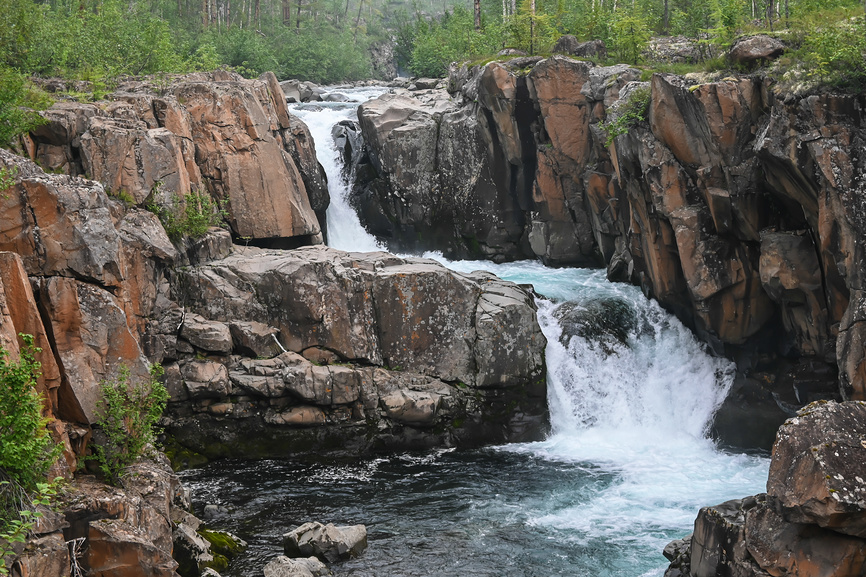
There are many more fascinating facts about the Putorana Plateau. For example, it has more than a thousand waterfalls, including Talnikovy Waterfall, one of Russia’s tallest. Its flow is seasonal and freezes in winter. A journey to the Putorana Plateau is not simply a summer adventure or a test of physical endurance. It is an expedition into extreme conditions—one that can divide life into before and after, bringing an overwhelming sense of freedom, fear for your safety and the constant challenge of overcoming yourself. It is a thoughtful, deliberate journey for those who are ready to experience something beyond beautiful scenery and delicious dinners.