Mexico is a country renowned for its rich history and remarkable culture. Among its most impressive treasures are the ruins of ancient Maya cities, which continue to captivate visitors from around the world. Mysterious pyramids adorned with intriguing symbols and images leave an unforgettable impression.
The Maya were one of the most advanced peoples of their time. They possessed a sophisticated writing system, expertise in architecture and mathematics, and a rich religious and cultural life. Yet despite all their achievements, the Maya remain a source of fascination for researchers. Many aspects of their lives are still unknown or debated.
Travelling through Mexico, you can follow in the footsteps of the Maya and try to unravel their mysteries. The majestic pyramids of Chichén Itzá, Tulum and Palenque bear witness to the era when Maya civilisation flourished. The mystical atmosphere of vanished cities preserved deep within the jungle stirs the imagination and invites reflection on the secrets they still hold.
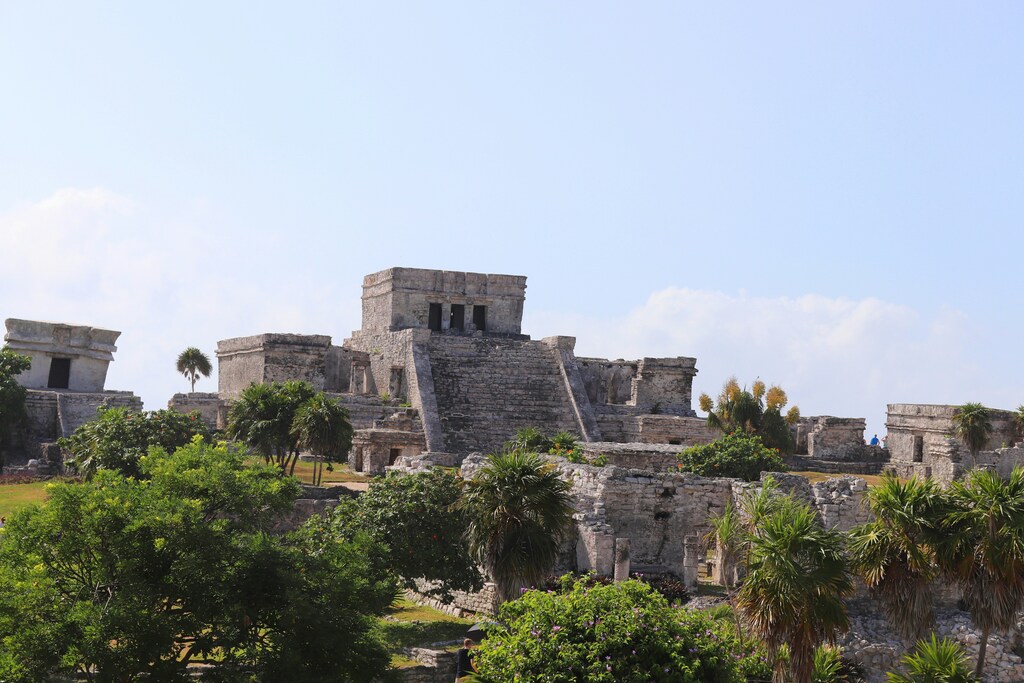
Secrets of the Ancient Maya Civilisation in Mexico
A Unique Culture and Sophisticated Society
The Maya developed a complex and diverse culture encompassing art, architecture, mathematics, astronomy and writing. They built impressive cities and temples, created colourful murals and sculptures, and developed remarkably precise and sophisticated calendar and timekeeping systems.
Maya society also had an elaborate hierarchy and distinct social classes. Supreme authority belonged to the ruler, who was regarded as sacred and wielded considerable power. Below him were nobles, priests and warriors, while farmers and enslaved people occupied the lowest levels of the social hierarchy.
The Mysterious Decline of a Civilisation
One of the greatest Maya mysteries is the decline of their civilisation. Although many theories have been proposed, the exact cause remains unknown. One leading theory points to an environmental crisis caused by resource depletion and ecological damage. Other theories suggest conflicts with neighbouring societies, epidemics and internal social tensions.
Despite the decline of their great city-states, the Maya left behind a remarkable legacy that continues to influence modern Mexican culture and society. Their mysteries continue to attract researchers and curious travellers from around the world, all seeking to uncover the secrets of this extraordinary ancient civilisation.
Maya History: From Flourishing to Decline
The ancient Maya civilisation, which flourished in what is now Mexico and Central America, left behind countless mysteries and unanswered questions. Maya culture emerged around 2000 BCE and its descendants continue to live in the region today. At its height, the Maya world extended from the northern Yucatán Peninsula through Guatemala and Belize to parts of Honduras and El Salvador.
The Maya were known for their magnificent cities, complex calendars, sophisticated writing and mathematics. They built vast pyramids, palaces, temples and ball courts. Maya culture was highly organised and artistically accomplished. They developed their own writing system, known as Maya hieroglyphic writing, and used it to record their history, rituals and knowledge.
The Flourishing of the Maya
The Maya reached the height of their development between 250 and 900 CE. During this period, their cities were centres of culture, trade and religion. Maya cities were carefully planned and included pyramids, temples, palaces, ball courts and buildings for rituals. The Maya developed complex calendar systems and used them to track astronomical events, agricultural cycles and ceremonial observances.
Maya art and architecture were magnificent. They created stone reliefs, murals, ceramics and gold ornaments. The Maya developed sophisticated sculptural techniques and produced numerous statues and carved works. They were also skilled in working precious stones and making jewellery.
The Decline of the Maya
After 900 CE, many Maya cities gradually began to empty and their culture entered a period of decline. The reasons for this transformation remain a mystery and a subject of debate among historians and archaeologists. Various theories include climate change, warfare, famine and social conflict.
Some researchers believe that internal conflicts and destructive wars between Maya cities contributed to the collapse of the Classic Maya political order. Others link the decline to climatic changes, such as droughts and floods, which led to crop failures and famine. Another theory considers the impact of incursions by other peoples and cultures.
Despite the decline of the Maya as a network of powerful city-states, their legacy lives on in modern Mexico and Central America. Maya languages are still spoken, and Maya customs and rituals continue to play an important role in the cultural and religious lives of contemporary communities.
Maya Architecture and Art: Splendour and Mystery
Popular articles
Vottovaara: Karelia’s Place of Power Tourist Season 2020: When Does It Open and What Are the Prospects?The Maya were one of the most advanced civilisations of their time, and their architecture and art have left us with magnificent monuments and many enduring questions.
Pyramids and Temples
One of the best-known features of Maya architecture is its pyramids and temples. Built from stone, they often had stepped pyramid forms. The Maya believed that pyramids were sacred places where people could connect with the gods.
Interestingly, the Maya often built new structures over older ones, creating layered monuments. This raises questions about how they transported and placed such immense stone blocks and what techniques they used to do so.
Stone Carving
The Maya were masters of stone carving. Their works depicted gods, animals and people, as well as intricate geometric patterns. They used a variety of tools to carve these images, including flint blades and tools made from sharp stone.
Some Maya carvings contain highly intricate mechanical-looking details, prompting discussion about the symbolism and construction techniques behind them. Their precision continues to fascinate researchers today.
Murals and Painted Decoration
The Maya also created colourful murals and painted decorations on the walls of their buildings. They used a range of natural pigments to produce vivid, long-lasting colours. These murals often depicted scenes from everyday Maya life, as well as religious and mythological subjects.
Interestingly, the Maya used specialised techniques to create a sense of depth on flat surfaces. This raises questions about how they achieved such realistic effects and which methods they used to create their distinctive colours.
Maya architecture and art astonish with their splendour and inspire many questions. How did the Maya build their pyramids and temples? How did they carve such intricate images? How did they create a sense of depth in their murals? These mysteries continue to engage scholars and researchers, and every new discovery brings us closer to understanding this ancient civilisation.
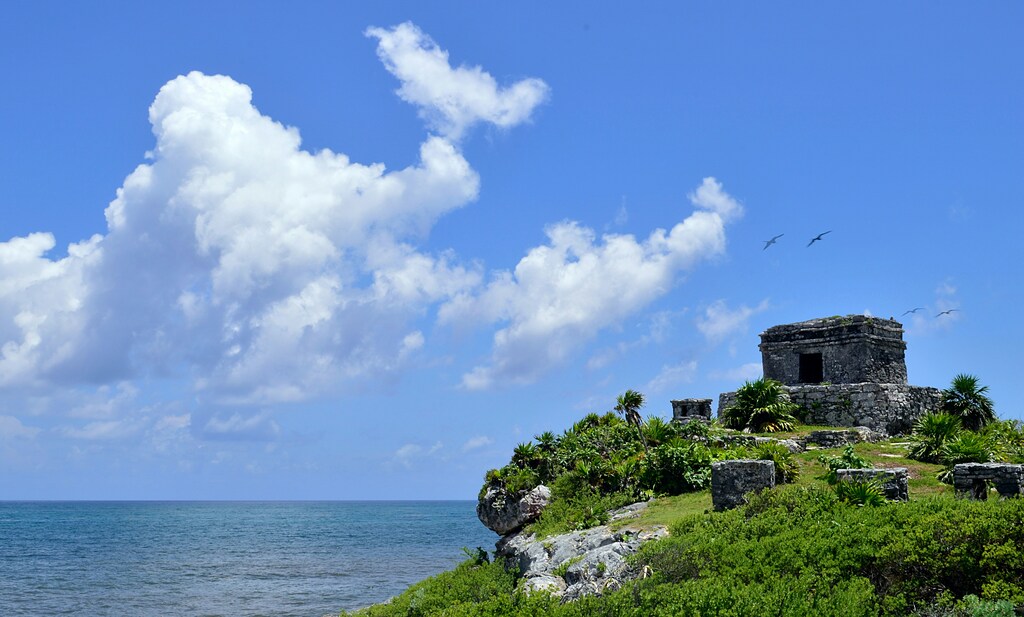
Maya Religion and Culture: Mystical Rituals and Beliefs
The Maya were known for their rich religious and cultural heritage. Their beliefs and rituals permeated every aspect of life, from agriculture to astronomy. Maya religion was polytheistic: they believed in many gods, each associated with particular aspects of nature and human existence.
The Maya Pantheon
The Maya had a complex hierarchy of deities that varied from region to region. Their pantheon included important gods of the sun, rain, wind and earth, among many others. Some of the best-known Maya deities include Kukulkan, a feathered serpent deity associated with wind and wisdom; Ix Chel, a goddess associated with the moon, medicine and childbirth; and Chaac, the rain god.
Rituals and Offerings
Maya beliefs called for regular rituals and offerings. One of the best-known ceremonies was the Mesoamerican ballgame, in which players used a special ball and generally struck it with their hips. The game held religious significance and was connected with Maya cosmology and mythology.
The Maya also made offerings to honour their gods. These could include animals, food or precious objects. Human sacrifice was practised in some contexts and was believed to help maintain cosmic balance and ensure the well-being of Maya society. Such rituals could sometimes involve violence and execution, especially during major events such as the accession of a new ruler.
Astronomy and the Calendar
The Maya were remarkably advanced in astronomy and developed complex calendar systems connected to their religious beliefs. They carefully observed the movements of planets, stars and other celestial bodies, using this knowledge to determine the timing of rituals and religious festivals.
Maya culture and religion profoundly shaped the life of this ancient civilisation. Their beliefs and rituals reflected their connection to nature, the cosmos and spiritual forces. Today, Maya religion and culture continue to inspire people around the world with their mystery and spiritual richness.