Deserts are among the oldest and most mysterious places on our planet. They cover around one-third of Earth’s land surface and captivate visitors with their stark beauty, simplicity, and grandeur. Despite their extreme conditions, deserts hold remarkable natural secrets and provide a home to many extraordinary organisms adapted to life with little water and extreme temperatures.
What Is a Desert? Key Characteristics
Definition and Main Criteria
A desert is a land area where average annual precipitation does not exceed 250 millimetres. It is a climatic and geographical zone characterised by exceptional aridity, sparse vegetation, and challenging conditions for survival. Temperature swings in deserts can be dramatic: daytime temperatures can exceed 50 degrees Celsius, while nights may fall below freezing.
Types of Deserts
Deserts vary in their characteristics and are divided into several main types:
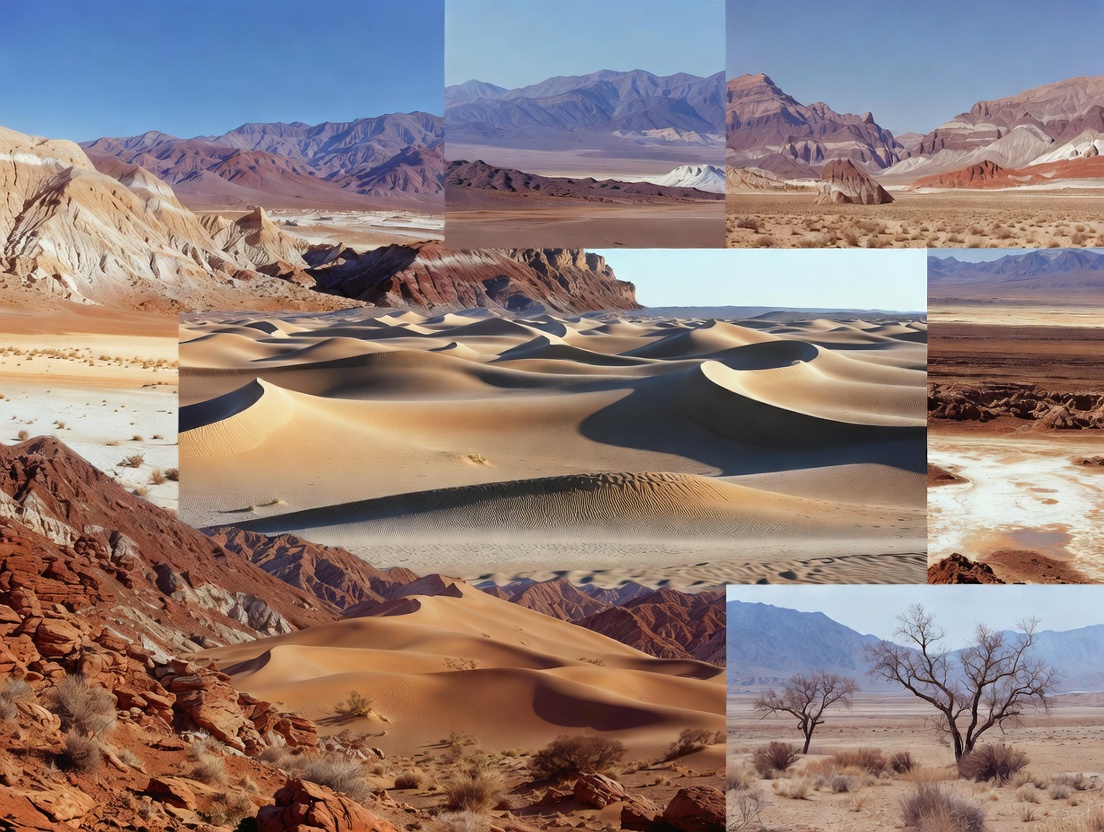
- Sandy deserts — made up of vast sand dunes that create undulating landscapes
- Rocky deserts — characterised by rocky ground and exposed bedrock
- Salt deserts — featuring salt lakes and crystalline surfaces
- Polar deserts — Antarctic and Arctic regions with permanently frozen ground
The World’s Most Famous Deserts
The Sahara — Queen of the Deserts
The Sahara is the world’s largest hot desert, located in Africa. It covers more than 9 million square kilometres. Its majestic sand dunes can reach heights of 180 metres, creating spectacular landscapes that have inspired travellers and artists for centuries. The Islamic architecture of historic cities along the Sahara’s edges adds cultural richness to the natural beauty of this region.
The Gobi — A Desert of Steppes and Mountains
The Gobi Desert in Asia stretches across a vast area between Mongolia and China. Unlike the Sahara, the Gobi is mainly a rocky desert with only occasional sandy areas. It contains traces of prehistoric civilisations and has yielded numerous palaeontological discoveries, including dinosaur remains.
Namib and Kalahari — African Treasures
Popular articles
Vottovaara: Karelia’s Place of Power Tourist Season 2020: When Does It Open and What Are the Prospects?The Namib is considered one of the world’s oldest deserts, with a history stretching back millions of years. Its red and orange dunes create an otherworldly landscape. The Kalahari, in southern Africa, is known for its wildlife and remains home to many animal and plant species adapted to arid conditions.
Life in the Desert: Adaptation and Survival
Desert Vegetation
Despite the extreme conditions, deserts support a diverse range of flora. Plants here have developed remarkable survival mechanisms. Cacti store water in their stems, camel thorn trees have deep roots that reach underground water sources, and succulents reduce evaporation through their structure.
Wildlife
Desert animals display equally remarkable adaptations. Camels can go for long periods without drinking by storing fat in their humps and conserving water efficiently. Desert rats obtain much of the moisture they need from food, while some lizards can change the colour of their skin to help regulate their temperature. Scorpions and spiders are active only at night, when temperatures fall.
The Ecological Importance of Deserts
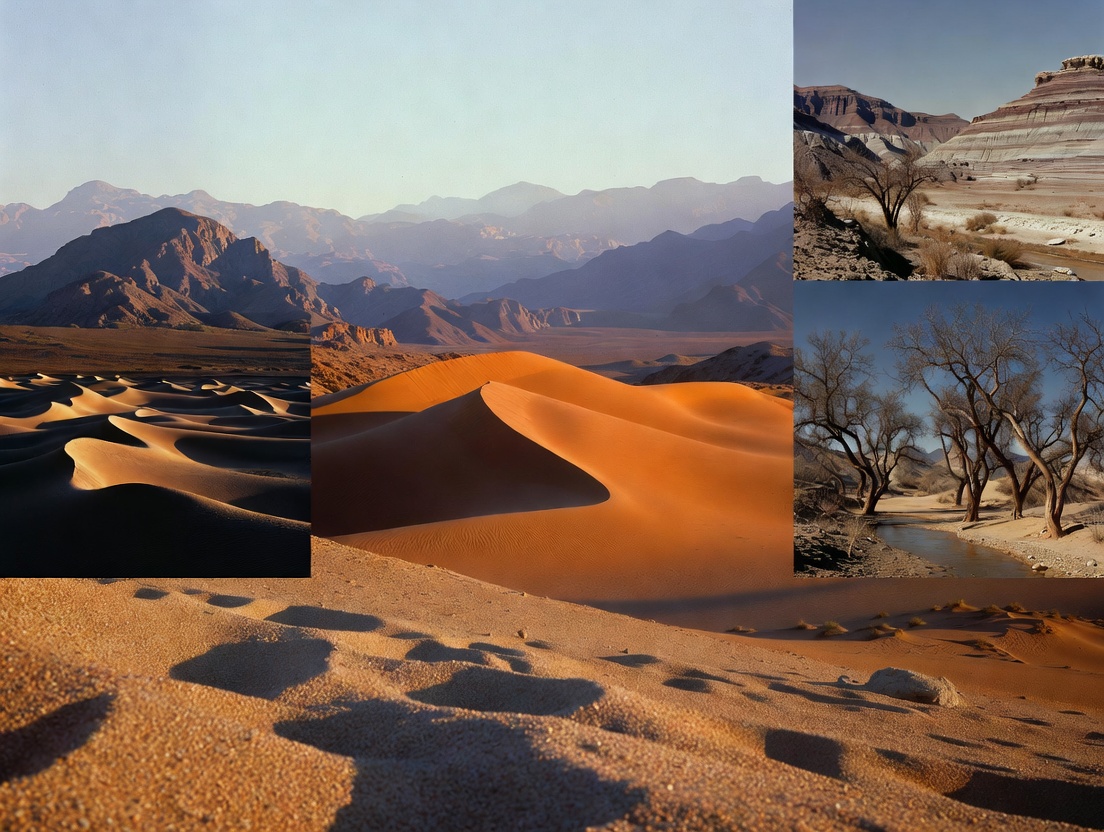
Deserts play an important role in the global ecosystem. They influence climate systems, serve as reservoirs of biodiversity, and contain valuable mineral resources. Deserts are also often seen as destinations with enormous tourism potential, contributing to the economic development of surrounding regions.
Threats and Challenges
Climate change is becoming an increasingly serious threat to deserts. Desert expansion caused by desertification endangers neighbouring fertile land. Mineral extraction and tourism also place pressure on these fragile ecosystems. Protecting deserts and their biodiversity requires international cooperation and responsible resource management.
Conclusion
The world’s deserts are not simply barren lands, but living, breathing ecosystems filled with life, history, and beauty. Their silent grandeur reminds us of the power and diversity of nature. From the golden dunes of the Sahara to the harsh landscapes of the Gobi, from the red sands of the Namib to the icy expanses of Antarctica, every desert tells its own unique story. Understanding and respecting these remarkable places is essential to preserving them for future generations.