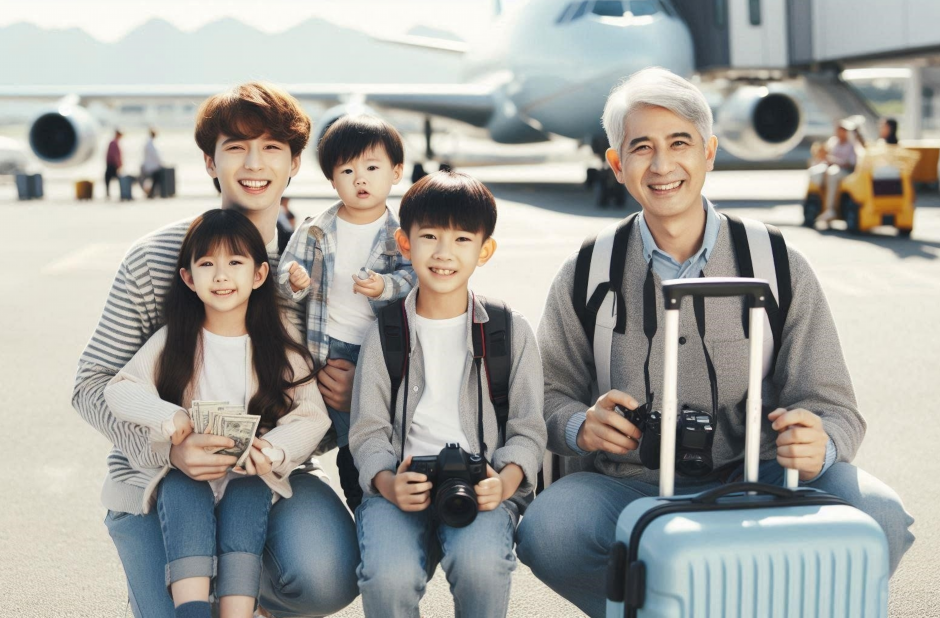
Travelling with children is an exciting adventure, but it can also be a real challenge for parents. Planning, organisation and the journey itself all require a special approach when it comes to a family holiday. How can you make the trip comfortable for everyone, avoid unnecessary spending and keep stress at bay? In this article, we share tried-and-tested tips to help you plan an unforgettable family trip without stress or excessive costs.
Planning is the key to a successful trip
The first and most important stage of any trip with children is careful planning. Good preparation can help you avoid many problems and save a significant amount of money.
Choosing the best time to travel
Travelling in the low season has several advantages: accommodation and tickets are considerably cheaper, there are fewer tourists, and the heat is less intense. If your children are school-aged, consider travelling during shorter school breaks or at the beginning or end of the summer holidays, before prices reach their peak.
Booking in advance
Booking early can save up to 30–40% on the cost of your trip. It is best to book flights, train or bus tickets, as well as accommodation, 3–6 months before your planned travel date. Use comparison sites to check prices and find special offers. Subscribe to airline and hotel newsletters to stay informed about promotions and discounts.
Creating a detailed itinerary
Plan your itinerary around your children’s interests and abilities. Keep in mind that the pace will be slower when travelling with little ones. Plan no more than one or two sights per day and leave time for rest. Spread activities evenly, alternating educational excursions with visits to theme parks or beaches.

The financial side of travel
Travelling with children can be expensive if you do not take certain financial factors into account. Here are a few tips to help reduce costs without compromising the quality of your holiday.
Budget-friendly accommodation
Instead of expensive hotels, consider these alternative accommodation options:
- Renting an apartment or house through services such as Airbnb or Booking
- Aparthotels with kitchens, as cooking your own meals can significantly reduce food costs
- Family-run guesthouses or bed and breakfasts
- Campsites, an excellent option for an active holiday in nature
Food without unnecessary costs
Eating in restaurants three times a day can significantly increase your travel budget. Here are a few ways to save:
- Bring snacks for the journey and excursions, such as fruit, nuts and sandwiches
- Prepare your own breakfasts whenever possible
- Have lunch where locals eat rather than in tourist areas
- Use restaurant discount apps
- Buy groceries at supermarkets rather than small shops near hotels
Transport costs
Getting around at your destination can become a significant expense. Research local transport systems in advance and consider purchasing travel cards or tourist passes, which often include unlimited journeys for a set period. For families with children, renting a car can sometimes be more cost-effective, especially if you plan to visit several towns or attractions beyond your main base.
Packing and preparing for your trip
Well-packed luggage is essential for a comfortable journey. At the same time, the fewer things you take, the easier it will be to get around.
The ideal packing list
Make a list of essentials in advance, dividing it into categories: clothing, toiletries, entertainment, documents and medicines. Take only what you truly need, taking the climate and local conditions into account. Remember that you may be able to do laundry during your trip. For little ones, be sure to bring their favourite toys, books or devices to keep them entertained on the journey.
A travel first-aid kit for children
Your travel first-aid kit should include:
- Fever reducers and pain relievers
- Allergy medication
- Remedies for upset stomachs and motion sickness
- Antiseptics and wound-care supplies
- Plasters in different sizes
- Any specific medication your child needs for chronic conditions
Psychological preparation
Stress while travelling with children often comes from unrealistic expectations and being unprepared for certain situations. Preparing the whole family mentally can help prevent many problems.
Preparing children for the trip
Tell your children about the upcoming trip and show them photos of the places you plan to visit. Explain what the journey will be like and how long it will take. For younger children, you can create a travel-themed game. If you are planning a long flight or journey, discuss appropriate behaviour while travelling.
The parents’ mindset
It is important for parents to accept that travelling with children will be different from a typical holiday for two. Be ready for changes of plan, children’s moods and the need for more frequent stops. Stay flexible and patient. Remember that the main goal is not to see every attraction, but to spend meaningful time together as a family.
Entertainment on the journey
Long journeys are one of the most challenging parts of travelling with children. Preparing engaging activities can make the trip more enjoyable and help prevent meltdowns.
Games and activities for different ages
- For toddlers (ages 1–3): small new toys, tactile books and water-reveal colouring books
- For preschoolers (ages 3–6): compact board games, activity cards and audiobooks
- For school-age children (ages 7+): puzzles, comics, e-books and educational apps
Divide toys and activities into several sets and bring them out gradually to keep your child interested. Do not forget family games everyone can play together, such as “I Spy”, word games and guessing songs.
Conclusion
Travelling with children is a special experience that can create wonderful family memories. Careful planning, a sensible approach to finances, proper preparation and a positive attitude will help make your trip enjoyable for every family member, without unnecessary stress or excessive costs. Remember that the most important thing is not the number of places you visit, but the quality of the time you spend together and the new experiences that will stay with you for years to come.
Do not be afraid to travel with children! With every new trip, you will gain experience, and organising family holidays will become easier and more enjoyable. Safe travels and unforgettable adventures!