What Is the Northern Lights?
The Northern Lights, or aurora borealis, are a natural glow in the upper atmosphere caused by the interaction between the solar wind and Earth's magnetic field. Charged particles collide with oxygen and nitrogen atoms, producing the distinctive light display in the sky.
Although the physics behind the phenomenon is the same worldwide, it can only be seen in certain geographical areas and under favourable conditions.
The main goal is to be in the right place at the right time while minimising factors that reduce visibility.
Where to See the Northern Lights
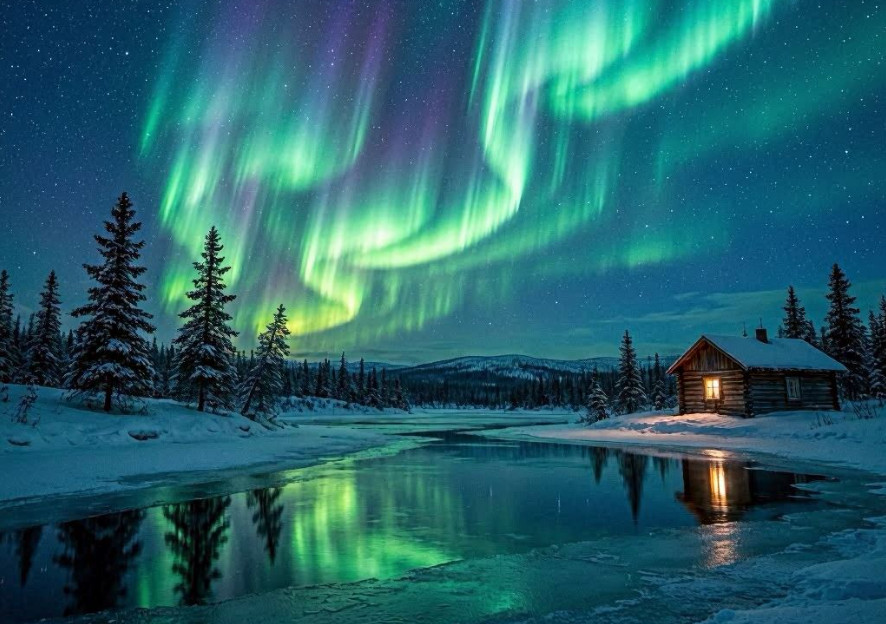
The Northern Lights are most commonly seen within the so-called «auroral oval» — a zone around Earth's magnetic poles. In the Northern Hemisphere, this includes high-latitude regions.
Scandinavia: One of the World's Best Regions
Scandinavian countries are classic Northern Lights destinations thanks to reliable infrastructure and a high likelihood of clear winter skies.
The northern regions are particularly popular, and cities such as Tromsø are often called the «Northern Lights capital».
Strong viewing conditions can also be found, especially in areas beyond the Arctic Circle, where light pollution is minimal.
National parks and remote areas are popular choices, as the sky remains dark for much of the winter.
Iceland: A Blend of Accessibility and Nature
Iceland is one of the most popular destinations thanks to its accessibility and minimal light pollution outside Reykjavík.
Here, the Northern Lights can be seen near glaciers, volcanoes and black-sand beaches, making the experience especially dramatic.
North America
In North America, the main viewing areas are in Canada and Alaska.
The chances are particularly high in northern territories, where auroral activity is often consistent and bright.
Additional Regions
Although the main Northern Lights «belt» runs through Scandinavia and Canada, the phenomenon can occasionally be seen farther south during strong solar storms.
In rare cases, it reaches central Europe or the northern United States, but such events are unpredictable.
When Is the Best Time to See the Northern Lights?
Seasonality
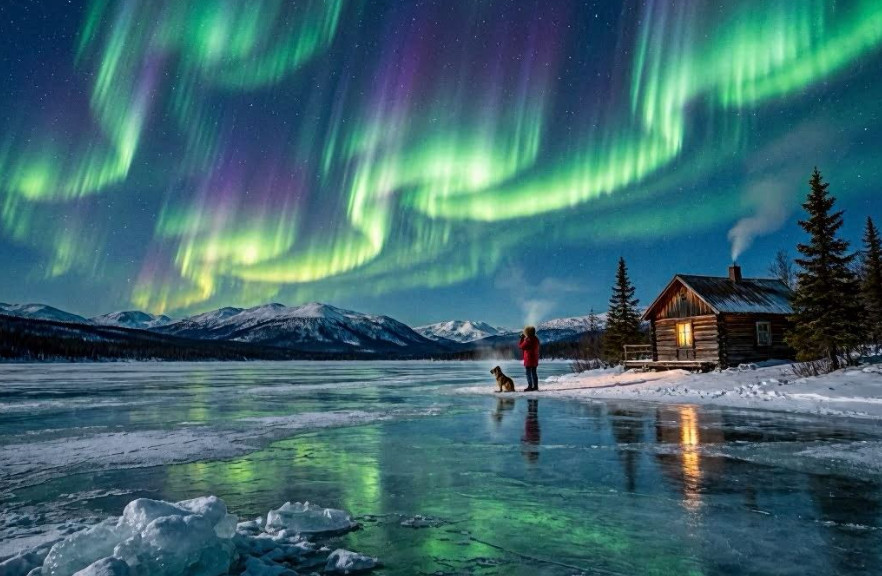
The best time to see the Northern Lights is from late September to early April, when nights are long and dark enough for viewing.
December, January and February offer the darkest nights, often providing the best conditions for observation.
The Impact of Solar Activity
The Northern Lights depend not only on the season but also on solar activity. Strong solar flares increase the likelihood of bright auroras.
Geomagnetic storms can greatly intensify the display and expand the area where it is visible.
Popular articles
Vottovaara: Karelia’s Place of Power Tourist Season 2020: When Does It Open and What Are the Prospects?Time of Night
The most suitable time for viewing is usually between 21:00 and 02:00 local time. During this period, auroral activity is often at its strongest.
Conditions Needed for Viewing
Dark Skies
One of the key factors is the absence of light pollution. City lights can completely obscure a faint aurora.
Ideal conditions include remote locations, open spaces and minimal cloud cover.
Weather Conditions
Even during high geomagnetic activity, clouds can completely block visibility. Clear skies are therefore essential for a successful viewing experience.
Latitude
The closer you are to the Arctic Circle, the greater your chances of seeing the Northern Lights. The optimal viewing zone lies between 65° and 75° north latitude.
How to Plan a Northern Lights Trip
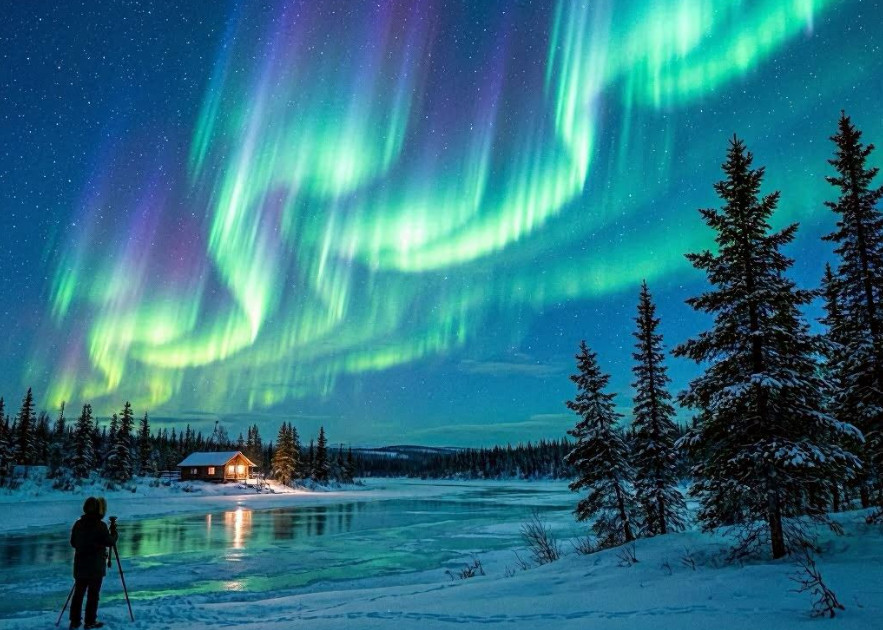
A successful trip requires a balance of timing, location and itinerary flexibility.
Practical Recommendations
- Plan a trip lasting at least 3–5 nights
- Choose locations outside major cities
- Monitor geomagnetic activity forecasts
- Allow extra days in case of cloud cover
This approach significantly increases the chance of seeing the phenomenon at least once during your trip.
Myths About the Northern Lights
Myth: You Can See Them Every Night
In reality, auroras depend on many factors and do not appear regularly, even in ideal regions.
Myth: You Only Need to Travel North
Even in polar regions, it is important to consider the weather, season and solar activity.
Myth: Their Brightness Is Always the Same
The intensity of the Northern Lights ranges from a faint glow to dynamic, «dancing» bands across the sky.
The Emotional Impact of Seeing the Northern Lights
The Northern Lights have a powerful emotional effect because of their rarity and visual movement. Many people describe them as one of the most memorable natural phenomena they will ever experience.
The combination of silence, cold and moving light creates a feeling of being removed from everyday reality.
Conclusion
The Northern Lights are not merely a travel goal but a complex natural phenomenon that requires the right choice of place, timing and conditions.
With careful planning, the chances of seeing this phenomenon increase significantly, turning the journey into a unique experience of watching nature's physics in action.