Fake Ticket and Tour Websites
This type of fraud is nothing new. Every year, scammers refine their schemes, and travelers continue to fall victim to them.
Scammers copy websites that sell train or airline tickets. The interface may look identical, while the web address differs by just one letter. As a result, users may not suspect anything is wrong and enter their details. In the end, they lose money and receive an invalid ticket.
However, the situation is often even worse. Scammers create so-called phishing websites. Their main goal is to obtain personal information, including your full name, bank details, and phone number. Within minutes of a «data leak,» money can disappear from your account. Recovering it can be extremely difficult.
The safest option is to buy tickets directly from official sales offices. However, there is no need to give up buying tickets online. The main thing is to remember these safety rules:
- buy tickets only through official carrier websites or trusted services;
- double-check the web address carefully;
- review the information on the electronic document before paying for it, including the date, time, and departure and arrival points.
Important! Scammers also copy the websites of well-known travel agencies. Buying a tour at an attractive price may result in disappointment and the loss of a substantial amount of money.
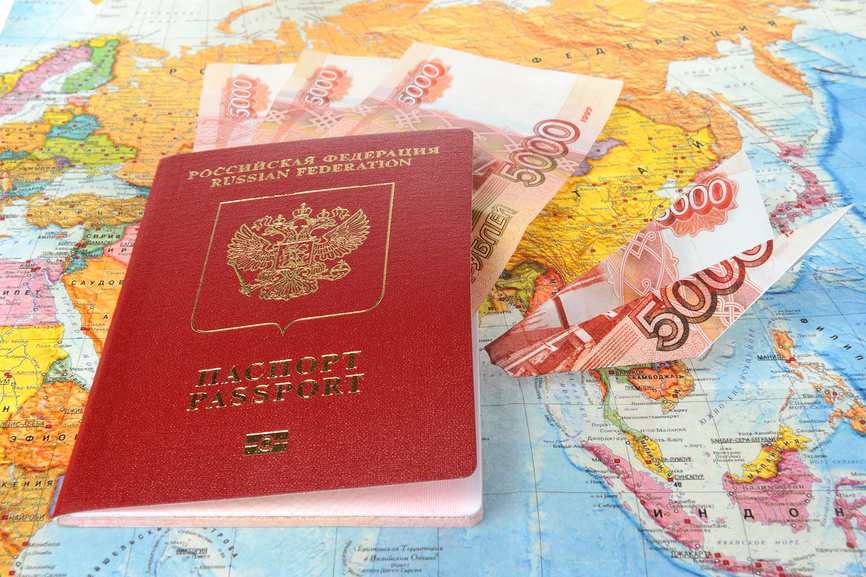
Huge Discounts on Tours
Wanting to enjoy a great holiday while saving money is natural. During the low season, it is indeed possible to find discounted travel packages. However, the discounts are unlikely to be dramatic. Discounts of more than 10% should raise concerns, even if the seller claims the lower price is possible thanks to special arrangements or exclusive deals. Travel agents typically earn a commission on each package, so unusually steep discounts deserve extra scrutiny.
The payment method can also indicate that something is wrong. Reputable companies do not ask clients to transfer money to an e-wallet or an individual’s bank card. This is a clear warning sign of fraud.
There is another way to check who you are sending money to. Travel companies should provide a secure connection when processing electronic payments. You can identify HTTPS by the padlock icon in the address bar. If it is missing, the site may be fraudulent.
Important! Be cautious if someone promises to create a fully customized tour including every city you wish to visit while presenting it as an official package. Fraudsters may make such promises to win a client’s trust.
Scams Involving «Government Cashback»
This scam is less common, but it should not be ignored. Scammers often call or send messages offering to refund part of the money spent on a trip, claiming that it is part of a government program.
Do not expect any «cashback.» Scammers collect the information they need, usually bank details, and money is then withdrawn from the card.
There is another variation. Potential travelers are offered a tour allegedly partly paid for by the government. To receive it, they are told to submit an application on a website and pay for the holiday. This scheme is usually carried out through short-lived websites. Within a few days, the site is taken down, while the scammers disappear with the money.

Fraud When Booking Accommodation and Excursions
Travelers hoping to save money often try to choose and book accommodation in advance. Scammers post listings for rooms or even entire cottages at attractive prices. However, the listing specifies that payment must be made immediately. The person transfers the money, only to discover that the property does not exist or that there is no record of the booking.
There are other variations of this scheme. Scammers advertise properties at attractive prices but ask for an estate agent’s commission before arranging a viewing. They demand the money in advance, and once it is transferred, the fake agent disappears.
Scammers usually target people looking to save money. During peak travel season, hotels and property owners are unlikely to lower their rates. On the contrary, prices tend to rise. That is why discounts on accommodation should be treated with caution. The same applies to excursions and cultural events abroad. Not only could you lose money, but you may also give scammers access to your personal data.
How to Avoid Online Travel Scams
Online purchases make planning easier and save time. They can often be more affordable too, including when buying tours and tickets or booking accommodation. Independent travelers who arrange everything themselves face the greatest risk. They are more likely to encounter one of the scammers’ traps, especially when trying to save as much as possible.
To make online purchases as safe as possible, follow these recommendations:
- make transactions only on official and trusted websites;
- do not trust huge discounts, especially during peak travel season;
- if search results show two similar web addresses, do not try to guess which site is genuine and which is a clone — it is easy to make a mistake;
- do not share your bank card details with a seller, especially the CVV code;
- before buying a tour, check whether the company is registered with the relevant official travel authority;
- do not buy tours through social media;
- when making a payment, check the address bar for a padlock icon, which indicates a secure connection.
Pay especially close attention to emails you receive, particularly personalized offers from unfamiliar companies. Keep in mind that tour operators generally send such emails only to their own clients, most often regular customers.
There are many ways travelers can be deceived online today: phishing websites, rentals for properties that do not exist, huge «discounts» on tours, and cultural activities. However, attentiveness and caution can help you avoid becoming a victim of online fraud.