When planning an international trip, it is important to consider the risks you may face in an unfamiliar environment. Unexpected situations can arise at any time, and resolving them without adequate coverage can be difficult. Prepared travelers arrange protection in advance against a range of unforeseen events, such as illness, injury, or lost luggage.
Standard health insurance policies or services provided by local organizations often do not cover every possible expense. That is why purchasing a policy specifically designed for travel protection can be extremely useful. It can help you avoid unpleasant consequences and focus on your holiday rather than dealing with unexpected problems.
How to Choose the Right Insurance
Every traveler should choose a policy responsibly to ensure the highest level of protection in unforeseen circumstances. This process requires careful consideration of many factors, from the type of trip to individual health needs. Not all policies on the market offer the same level of protection, so it is important to choose one that best suits the specific conditions of your journey.
Assess Coverage and Limitations
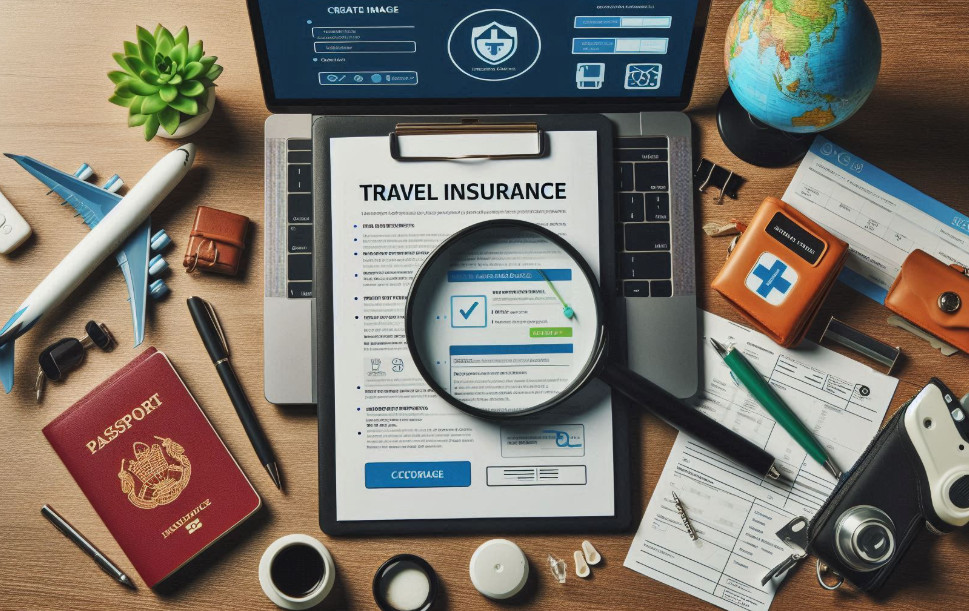
Before taking out a policy, carefully review exactly what the selected plan covers. Make sure it includes medical expenses, emergency assistance, and possible situations involving lost luggage or flight delays. Pay attention to exclusions and payout limits to avoid unpleasant surprises if you need to make a claim.
Consider Your Itinerary and Trip Duration
If your itinerary includes active pursuits such as mountain hiking or water sports, make sure the policy covers these risks. It is also important to state the correct duration of your trip, as insurance may have validity limits and additional costs depending on the destination and length of travel.
Overview of Key Coverage for Travelers
When planning a trip, it is important to understand in advance what risks may arise along the way and how insurance coverage can help minimize them. Several key aspects should be considered when choosing a suitable policy. Each type of travel requires an individual approach and an appropriate level of protection.
Medical Care and Emergencies
Protection against medical expenses is one of the most sought-after types of coverage. This should be essential whether you are traveling for a holiday or business. It includes emergency medical care, treatment for injuries or illness, and emergency evacuation. It is important that the policy clearly states its limits and possible exclusions, for example where pre-existing medical conditions are involved.
Lost Luggage and Flight Delay Coverage
Another important part of a travel insurance policy is protection against lost or damaged luggage, as well as compensation for lengthy flight delays. Pay particular attention to the time limits and conditions for compensation, as these situations can affect the comfort of your trip and create additional difficulties.
Insurance for Active Travel
For active travel enthusiasts, it is important to consider additional risks associated with activities such as mountaineering, water sports, or extreme road trips. In these cases, standard insurance may not cover all necessary expenses. Choose a policy that accounts for higher risks and provides protection in a wide range of situations.
Popular articles
Tourist Season 2020: When Does It Open and What Are the Prospects? Vottovaara: Karelia’s Place of PowerAdditional Coverage for Extreme Sports
When taking part in extreme sports such as skydiving, snowboarding, or diving, make sure your policy includes protection against injuries resulting from these activities. Pay particular attention to whether these sports are included in the standard coverage, as some providers may require a separate policy add-on for such cases.
Evacuation and Assistance in Remote Areas
During active trips, especially to remote or difficult-to-reach areas, review the terms for emergency evacuation. This may include transportation to medical facilities as well as assistance in places inaccessible by ordinary means. Such services often involve significant costs that may be covered only under special policy terms.
When Insurance May Not Apply
Despite the importance and convenience of insurance coverage, there are situations in which a policy may not provide the protection you expect. To avoid unpleasant surprises, it is important to understand exactly when an insurer will not reimburse expenses or cover certain risks. This may depend on a number of factors, including exclusions, limitations, or breaches of contract terms.
Main Reasons Claims May Be Denied
| Breach of contract terms | If the traveler has not met the necessary requirements—for example, by failing to disclose pre-existing conditions or provide required information—the policy may not apply. |
| Emergencies outside the scope of coverage | Some risks, such as war, terrorist attacks, or disasters, may be excluded from the policy terms, meaning no compensation will be available in these events. |
| Issues involving active sports | If a traveler takes part in extreme sports that were not specified in the policy, the insurance may not cover treatment or evacuation costs. |
| Illegal activity | If damage or losses result from involvement in illegal activity, the insurance company may deny the claim. |
It is very important to read the policy terms carefully and ensure they fully match your travel plans. Failure to meet the requirements can leave you without protection at a critical moment.

Where to Buy Travel Insurance
When preparing for a trip, it is important to arrange insurance protection in advance so you can receive help quickly if needed. Modern ways of purchasing a policy make this convenient and accessible. There are several places where you can buy suitable coverage, depending on your preferences and travel needs.
Main Ways to Purchase a Policy
- Through agencies and insurance companies: Many providers offer a range of protection options. By contacting an insurer directly or through an agency, you can get advice and select a policy that takes all aspects of your trip into account.
- Through online platforms: Many websites allow you to purchase a policy online. This is a convenient and fast option that saves time and makes it easy to compare offers from different insurers.
- Through travel agencies: When arranging a trip through a tour operator, a suitable policy is often included in the tour price. This option is convenient if all travel arrangements have already been made through the agency.
Choosing and Purchasing a Policy
When selecting a suitable option, carefully review the terms and check exactly what the policy covers. Some providers offer additional options, such as lost luggage insurance or emergency assistance, which can be useful while traveling. It is recommended to compare all available offers carefully to choose the most suitable coverage.