An expedition into the past opens the doors to a world of long-forgotten settlements that quietly preserve the mysteries of ancient eras. These places serve as guides through time, taking us to the edges of history, where every stone and every fresco bears witness to extraordinary events and the destinies of entire peoples.
Archaeological discoveries rescue remarkable stories of bygone eras from oblivion—times when great leaders ruled and cultural and religious traditions took shape. Here, excavations not only restore ancient structures but also reveal how the civilizations that left their mark on the modern world once flourished.
Routes through the centuries reveal the paths that once led travellers along rugged trails and through green forests. These routes became vital channels for trade and cultural exchange, intertwining the destinies of peoples and strengthening their relationships over centuries.

Exploring the Architectural Wonders of Antiquity
In this section, we delve into the remarkable structures created in past eras. Discover architectural masterpieces that have inspired and amazed people for centuries, and explore outstanding examples of construction that remain magnificent testaments to the craftsmanship and engineering ingenuity of their time.
Grandeur and Functionality
Each of these structures is not only an iconic example of architectural creativity but also held deep meaning and practical importance in its era. Explore how ancient architects and builders managed to create such elegant, durable structures without modern technology or tools.
Table of Architectural Wonders
| Name | Location | Era | Features |
|---|---|---|---|
| Pyramids of Giza | Egypt | Ancient Egypt | Vast stone monuments that served as tombs for pharaohs. |
| Parthenon | Greece | Ancient Greece | Perfect proportions and the Doric order, an embodiment of architectural harmony. |
| Colosseum | Italy | Ancient Rome | An amphitheatre capable of seating up to 50,000 spectators, symbolising the power and technical sophistication of the Roman Empire. |
Each of these architectural wonders draws researchers and travellers alike, offering a unique opportunity to immerse yourself in the history and culture of ancient civilizations. Their grandeur and intricate construction leave an unforgettable impression.
Popular articles
Tourist Season 2020: When Does It Open and What Are the Prospects? Japan’s Lesser-Known and Fascinating IslandsImmersing Yourself in the Everyday Life of Ancient Societies
In this section, we invite you to explore the daily life of ancient civilizations and experience the atmosphere of their everyday world. We will look at the key aspects that shaped their culture and way of life.
| Agriculture | Agriculture was the foundation of the economy in most ancient societies. They developed a variety of farming methods and cultivated crops that fed not only local communities but also military forces. |
| Crafts | In antiquity, artisans played a central role in economic and cultural life. They created a wide range of goods, from pottery and textiles to weapons and jewellery, each reflecting the technologies and aesthetics of its time. |
| Trade and Exchange | Trade and the exchange of goods were essential parts of life in ancient societies. They established contacts with other peoples, exchanged goods and ideas, and spread cultural influences and knowledge. |
| Daily Life and Customs | Everyday life encompassed many aspects, from family customs and rituals to religious celebrations and sporting events. Together, these elements created the distinctive character of each ancient civilization. |
Exploring the daily life of ancient societies helps us better understand and appreciate their legacy, which continues to influence our world today.
Uncovering the Secrets and Mysteries of Historic Places
Artefacts Hidden in the Depths of Time
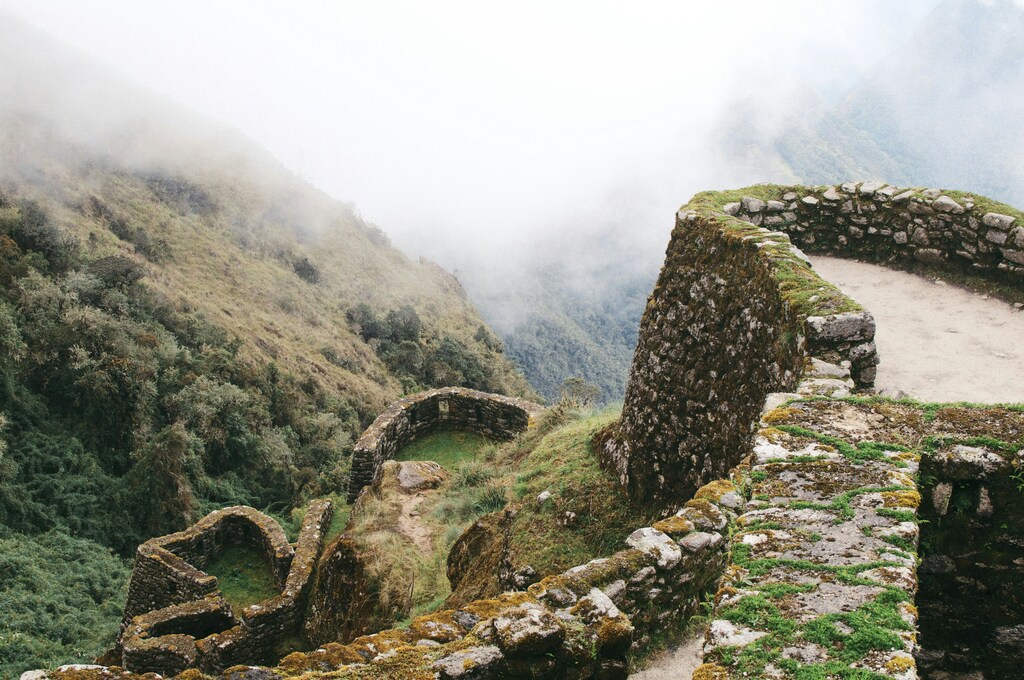
Looking at ancient walls and weathered structures, it is easy to see that they often conceal remarkable mysteries. Archaeological discoveries in different corners of the world reveal extraordinary artefacts that can tell us about ancient customs and everyday life.
Deciphering Writing and Symbols
The study of manuscripts and inscriptions helps unravel many of the mysteries handed down to us by earlier generations. Every engraved letter or carved symbol may hold the key to understanding ancient rituals, religious beliefs, and important historical events.
- Revealing hidden architectural secrets
- Reconstructing the lives of ancient societies
- Exploring unique archaeological discoveries