A relaxing holiday does not always mean lively resorts, packed sightseeing schedules and constant socialising. For an introvert, a good trip is an opportunity to slow down, restore inner balance and spend time without unwanted social contact. Peaceful places make it easier to focus on experiences, nature and your own pace. To ensure your journey truly becomes a source of energy, it is important to choose the right destination, season, accommodation and travel style.
Destinations for a peaceful getaway
The key factor is not remoteness from civilisation, but a predictable and comfortable setting. Even a popular region can feel cosy if you visit outside the peak season and stay away from the tourist centre. Look for areas with nature trails, small settlements and the freedom to plan your day independently.
Karelia: forests, lakes and secluded cottages
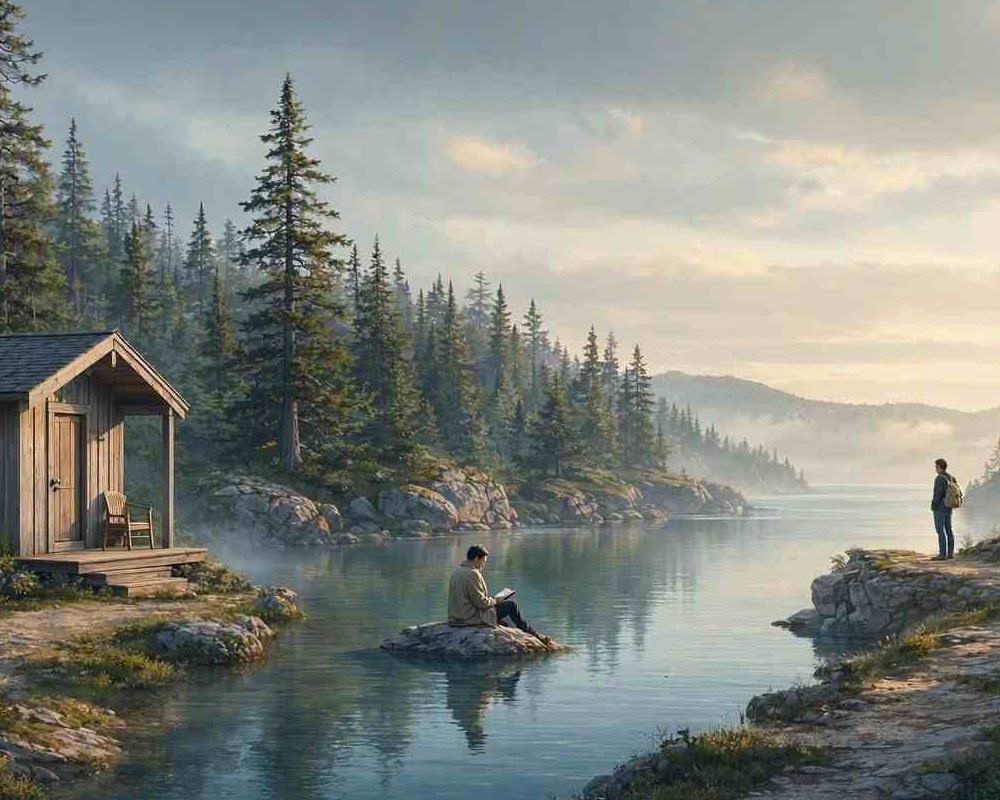
Karelia is ideal for those who unwind by the water and enjoy long walks. Instead of large tourist resorts, look for a private cottage on the shore of a small lake. You can go boating, photograph sunrises, pick berries or read by the fireplace. Late May, early June and September are especially good times to visit, when there are fewer holidaymakers and the weather is still pleasant for spending plenty of time outdoors.
The Russian North: the quiet of historic villages
Arkhangelsk and Vologda Oblasts appeal with their unhurried pace, wooden architecture and vast northern landscapes. Small villages by rivers and lakes offer a rare sense of space. Introverts may enjoy independent walks, visits to small museums and stays in guesthouses with only a few rooms. Before travelling, check transport connections and mobile coverage.
Altai: routes beyond the popular spots
Altai is often seen as a destination with heavy tourist traffic, yet peaceful places can still be found away from the main sightseeing hubs. For a slower-paced break, choose river valleys, small villages or holiday bases with private cabins. Challenging hikes are not essential: short out-and-back routes let you see mountains, waterfalls and steppe landscapes without overexertion.
How to choose accommodation without unpleasant surprises
An introvert’s comfort depends greatly on where they stay. A hotel in the centre can be a source of constant noise, even if its photos promise tranquillity. Before booking, check the map, recent reviews and the location of shared areas.
- Choose a private house, studio apartment or room with an en-suite bathroom.
- Check the distance from roads, restaurants and event venues.
- Ask about check-in arrangements and whether you can collect the key without meeting anyone in person.
- Look for a kitchen or kitchenette so you are not dependent on dining out.
- Pay attention to soundproofing and the number of rooms in the building.
Popular articles
Saddle Up! Russia’s Best Horseback Riding Tours Vottovaara: Karelia’s Place of PowerWhen to travel to avoid the crowds
The benefits of the shoulder season
May, early June, September and the first half of October are often better for quiet trips than the summer months. Prices are lower, popular trails are less busy and accommodation hosts can give guests more attention. Keep in mind, however, that transport, museums and cafés may operate on reduced schedules. Downloading maps in advance and bringing a small supply of food can help you feel more confident.
The right daily schedule
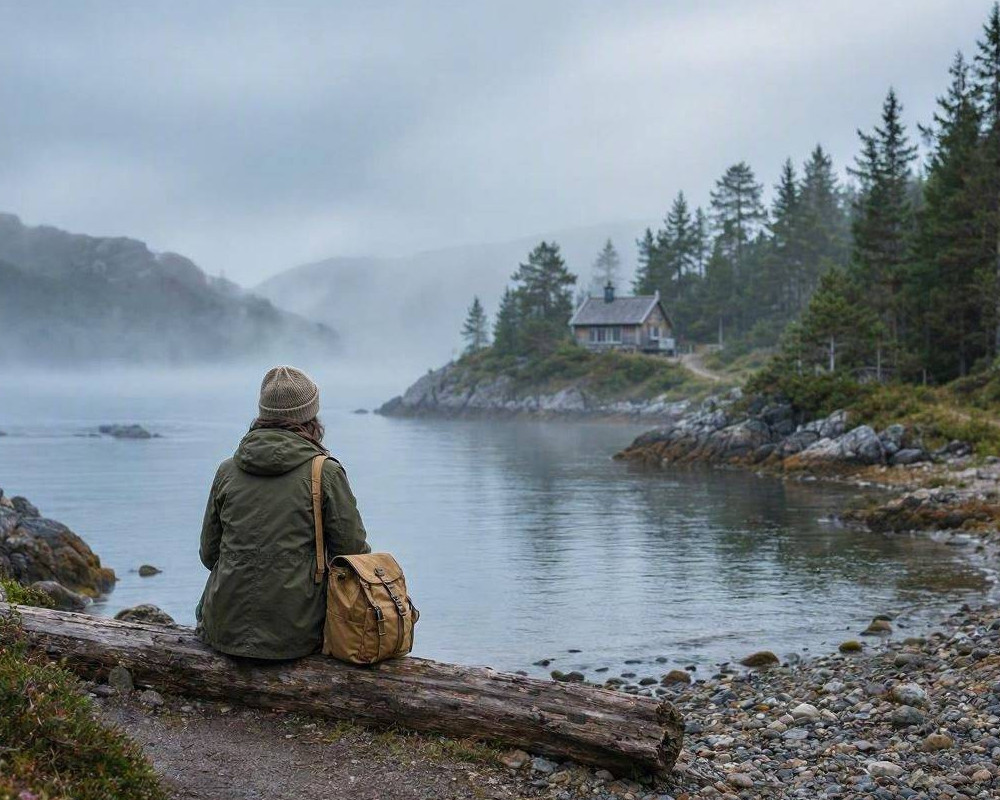
Even in a well-known destination, you can find peace and quiet by visiting attractions in the morning. Between 7 and 10 am, promenades, viewpoints and nature trails are usually relatively empty. Use the middle of the day for rest, reading or driving along quieter roads, then take a short evening walk near your accommodation.
How to plan a comfortable itinerary
- Limit your plans to one or two main stops per day.
- Leave free time for rest and unplanned breaks.
- Download offline maps, timetables and your accommodation host’s contact details.
- Prepare a backup plan in case of rain or transport cancellations.
Introverts do not have to avoid guided tours altogether. A private walk with a guide or an audio guide offers useful information without having to adapt to a large group. If you are joining an organised tour, it is best to find out in advance how long it lasts, how many people will be taking part and whether you can leave the route early.
What to pack for a secluded getaway
- Headphones or earplugs for the journey and your hotel.
- A thermos, light snacks and a reusable water bottle.
- A book, notebook or compact creative kit.
- A power bank, torch and a paper copy of important contacts.
A quiet trip is not an attempt to hide from the world, but a way to recharge in an environment that suits you. A well-planned itinerary, few transfers and accommodation with private space can reduce fatigue. You do not have to travel deep into the wilderness: sometimes all it takes is choosing a small town, a weekday and a peaceful neighbourhood. The most important guide is how you feel, not a checklist of must-see attractions.